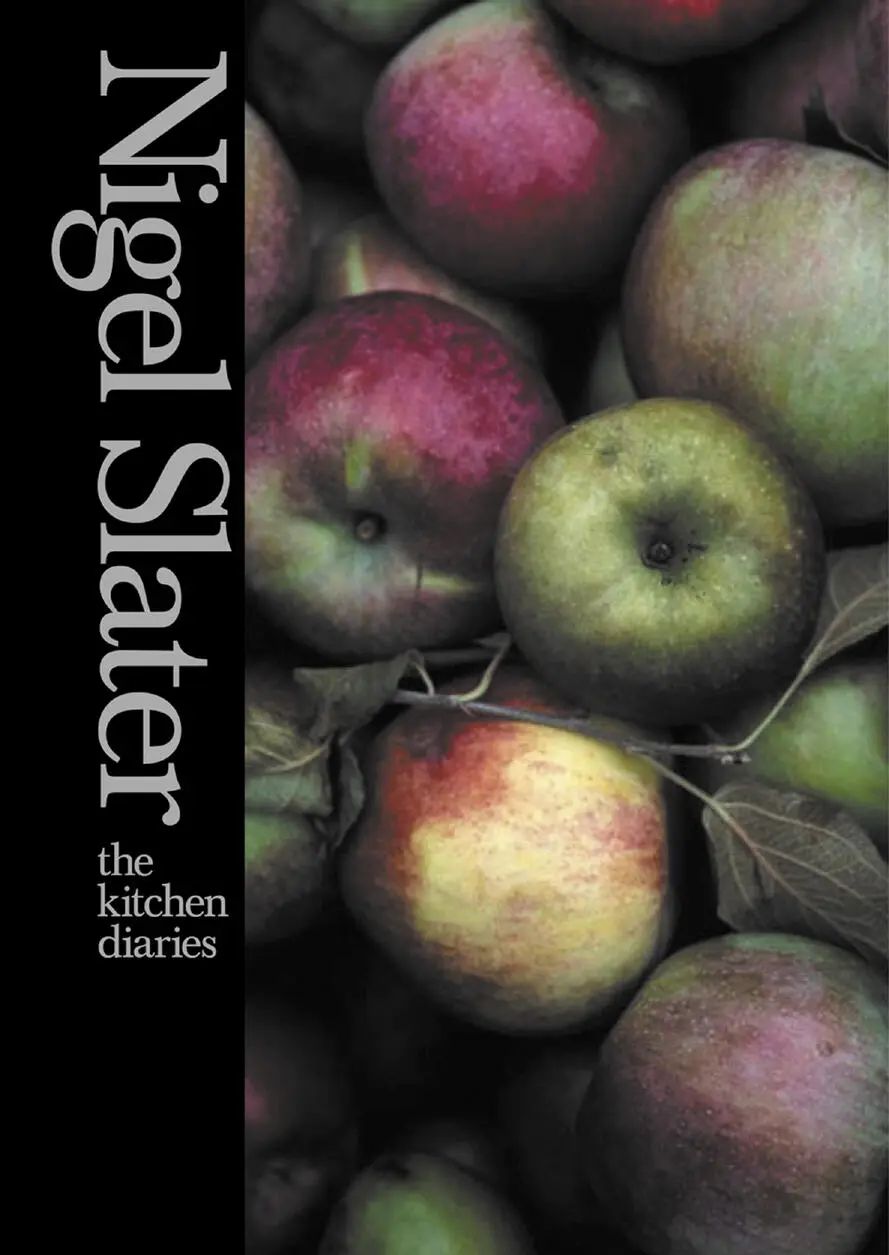
Nigel Slater - The Kitchen Diaries
Здесь есть возможность читать онлайн «Nigel Slater - The Kitchen Diaries» — ознакомительный отрывок электронной книги совершенно бесплатно, а после прочтения отрывка купить полную версию. В некоторых случаях можно слушать аудио, скачать через торрент в формате fb2 и присутствует краткое содержание. Жанр: unrecognised, на английском языке. Описание произведения, (предисловие) а так же отзывы посетителей доступны на портале библиотеки ЛибКат.
- Название:The Kitchen Diaries
- Автор:
- Жанр:
- Год:неизвестен
- ISBN:нет данных
- Рейтинг книги:5 / 5. Голосов: 1
-
Избранное:Добавить в избранное
- Отзывы:
-
Ваша оценка:
The Kitchen Diaries: краткое содержание, описание и аннотация
Предлагаем к чтению аннотацию, описание, краткое содержание или предисловие (зависит от того, что написал сам автор книги «The Kitchen Diaries»). Если вы не нашли необходимую информацию о книге — напишите в комментариях, мы постараемся отыскать её.
The Kitchen Diaries — читать онлайн ознакомительный отрывок
Ниже представлен текст книги, разбитый по страницам. Система сохранения места последней прочитанной страницы, позволяет с удобством читать онлайн бесплатно книгу «The Kitchen Diaries», без необходимости каждый раз заново искать на чём Вы остановились. Поставьте закладку, и сможете в любой момент перейти на страницу, на которой закончили чтение.
Интервал:
Закладка:
Taramasalata – the real thing
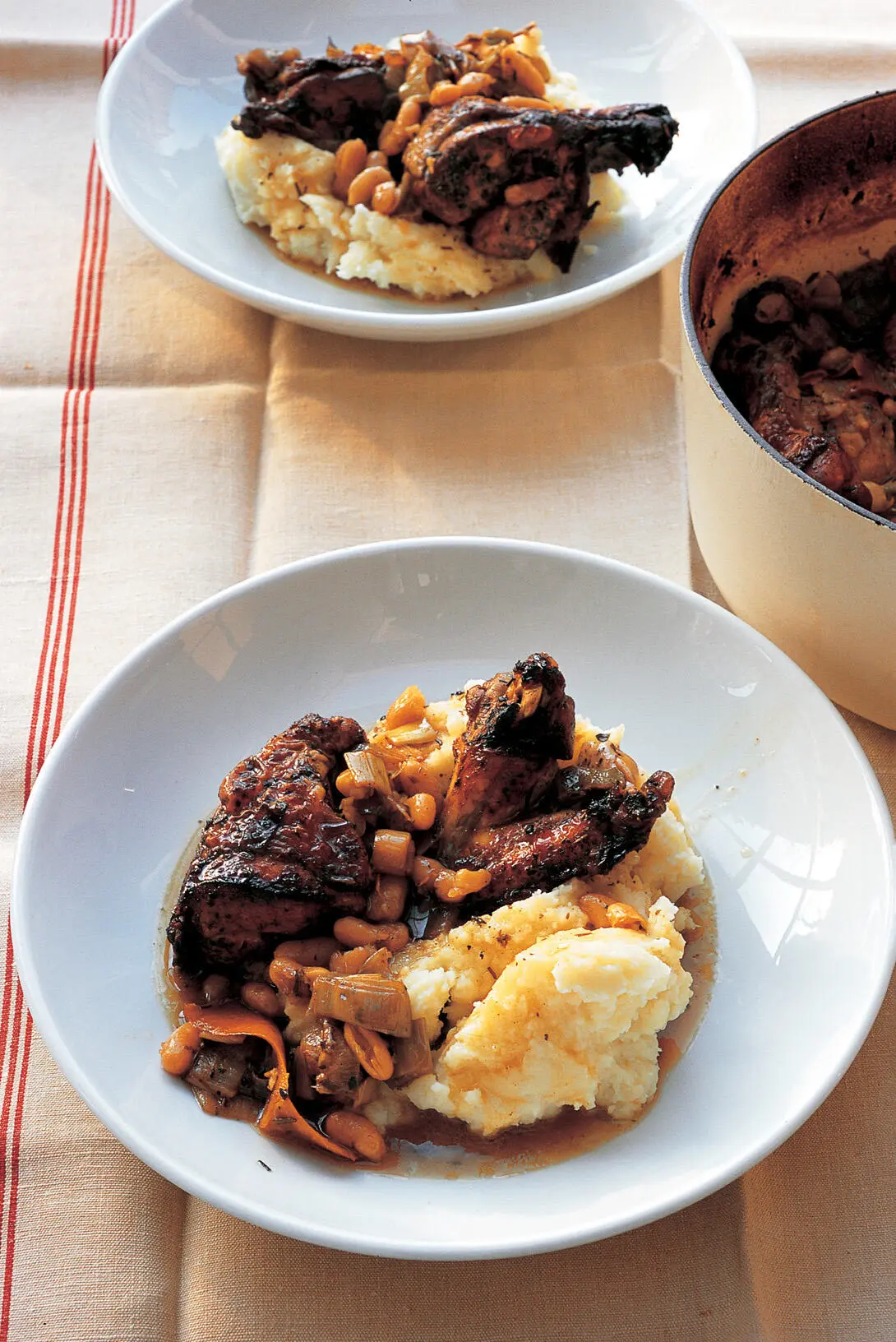
Chicken stew and mash
Pork burgers with lime leaves and coriander
A fiery way with lamb
Chicken salad with watercress, almonds and orange
Smoked mackerel on toast
Roast fillet of lamb with anchovy and mint
Demerara lemon cake with thick yoghurt
Prawn and coriander rolls
Chinese broccoli with oyster sauce and ginger
Chocolate almond cake
Stir-fried mushrooms, spring leaves and lemon grass
Chickpea and sweet potato curry
Orange jelly with lemon and cardamom
Chicken with mushrooms and lemon grass
March 1
An English
cheese salad
It is a bit spooky the way the contents of those ‘pillow packs’ of salad from the supermarket somehow collapse and die within what seems like minutes of opening. Yet the mixed salad leaves you buy at the farmers’ market and the ones that come from the organic boxes last several days in the fridge. The bag of leaves I picked up from Marylebone farmers’ market – baby leaves of red chard, wild rocket, oak-leaf lettuce, spiky-leaved mizuna and crunchy little Cos – is still perfect three days after I brought it home. I toss the delicate leaves and their fragile stems with large shavings of young Wensleydale, toasted walnut halves, a bunch of large-leaved watercress and the merest dribble of walnut oil and lemon juice. A gentle, softly flavoured salad of unmistakable Englishness.
We follow this with a soup made from fat, old, woody carrots and vegetable bouillon, the root vegetables coarsely grated and then sweated with finely chopped onion in a very little butter. No cream, just the soup put in a blender till smooth, then chopped chives and a knob of butter stirred in at the end.
March 2
Flatbread and
a homemade
dip
Fat flakes of snow are pattering against the panes of the kitchen door, each one sticking on the glass for just a second before dissolving. It is cold enough to have frozen the water in the bucket on the back steps. If ever there was a day to bake bread, this is it. No gung-ho excitement here, just a gentle bit of bread making, the feel of warm, soft dough in the hands, the smell of a fresh loaf coming from the oven and always, always the feeling of ‘Why don’t I do this more often?’
I use dried yeast rather than fresh, simply because I can buy it in the local health-food shop. The flour is organic white from a small mill. Rather than a loaf, today I make slipper-shaped flatbreads to eat warm with taramasalata and hummus. I have never made hummus better than the stuff you can buy at the Green Valley, just off the Edgware Road. White-coated counter staff serve it by the big spoonful straight into a shallow plastic tray, then drizzle the parchment-coloured cream with emerald-green olive oil. But proper tarama is almost impossible to find, and shoppers seem to have accepted the bubblegum-pink stuff sold in tubs at the deli as the real thing. It isn’t. It’s crap. As commercially made food (mayonnaise, tomato soup, pesto) goes, it is the furthest from the real thing. Not even the merest shadow. So I draw a deep breath and pay a small fortune for real smoked cod’s roe from the fishmonger’s, a purple-veined, rusty-pink lobe of roe to beat into olive oil, a clove of garlic and perhaps a little bread to eke it out.
A simple flatbread
strong white flour – 500g
sea salt – half a teaspoon
dried yeast – a 7g sachet
warm water – 350ml
olive oil – 2 tablespoons
Put the flour into the bowl of a food mixer (you will need the beater attachment), then add the salt. If you are using a coarse salt, crumble it first between your finger and thumb. Empty the yeast into a small glass, pour on enough water to make a thin paste, then stir in the rest of the warm water. (This isn’t strictly necessary, you can put the dry yeast straight into the flour, but I prefer to do it this way.) Pour the water on to the flour and turn the mixer on slow. Introduce the olive oil, mixing till you have a stiffish dough. Tip the dough out on to a floured board and knead it with your hands, pushing and folding the dough until it feels springy and elastic to the touch. Set aside in a bowl covered with a clean tea towel and leave to rise for an hour or so. A warm place out of any draughts is ideal.
If you want to make the dough by hand, add the yeast and water to the flour and salt, mixing the two together with your hands or a wooden spoon. Mix in the olive oil – a pleasant, if squelchy, thing to do with your bare hands – then turn the lot on to a lightly floured work surface. Knead for a good nine or ten minutes, folding the far edge of the dough towards you and pushing it back into the dough. It should feel soft, springy and alive. Cover the dough with a clean tea towel as before and leave to rise.
Get the oven hot to 240°C/Gas 9. When your dough is about four times the size it was, break it into six pieces and push each one into a rough slipper shape. Dust them with flour and lie them flat on a baking sheet. Bake for five minutes, then turn the oven down to 220°C/Gas 7 and continue baking for a further five minutes or so, until the underside of the bread sounds hollow when you tap it.
Makes 6 small flatbreads
Taramasalata – the real thing
smoked cod’s roe – a 100g piece
white bread – 2 thick slices
garlic – a plump clove
olive oil – 200–300ml
the juice of a lemon
Peel the skin from the roe, or scoop the eggs out of the skin with a teaspoon. Soak the bread in water, then wring it out. Mash the bread into the roe with a pestle and mortar or in a food mixer. Add the clove of garlic, finely chopped, then the olive oil, pouring it in gradually as if you are making mayonnaise. When the mixture is a thick cream, stir in the lemon juice. Serve lightly chilled, with the warm flatbreads and some black olives.
Enough for 4
March 3
In my smug haze of good housekeeping from yesterday’s baking session, not to mention my arch disdain for factory-produced foods, I fail to notice there is bugger all to eat in the house. At seven-thirty I dash to the corner shop, returning with a tin of baked beans, a bag of oven chips and some beers.
March 4
Snow and a
chicken
stew
Snow has fallen as I slept. I fold back the shutters and stare out at the garden without moving for a full ten minutes. Snow brings a hush, a softness, to the city that is all too brief. You have to make time for it. The gravel path, the spindly trees, the little hedges that frame the vegetable and fruit beds are white over. The kitchen itself is icy this morning, its light muffled by the snow that has built up on the skylights. Breakfast is porridge, made with water. No sugar, no treacle, no hot milk. Just rolled oats and water.
Shopping is usually slipped into other jobs and journeys: a dash into the greengrocer’s whilst I am on my way to a meeting; a trip to the fishmonger’s on my way home. But today’s shopping is thought out, with a list and a big bag. There are four of us for supper and it is still snowing. I am not going to get away with a salad and a slice of tart.
One of the advantages of my butcher’s free-range birds is that their bones are heavy and strong, as you would expect from something that has had the opportunity to exercise. The availability of these big birds and their fat, sauce-enriching bones makes it seriously worth thinking about chicken stew – a bird cooked slowly, with stock, herbs and aromatics. The results are mild but meaty, which is just what you want when the wind is cold enough to make your eyes water.
Читать дальшеИнтервал:
Закладка:
Похожие книги на «The Kitchen Diaries»
Представляем Вашему вниманию похожие книги на «The Kitchen Diaries» списком для выбора. Мы отобрали схожую по названию и смыслу литературу в надежде предоставить читателям больше вариантов отыскать новые, интересные, ещё непрочитанные произведения.







Обсуждение, отзывы о книге «The Kitchen Diaries» и просто собственные мнения читателей. Оставьте ваши комментарии, напишите, что Вы думаете о произведении, его смысле или главных героях. Укажите что конкретно понравилось, а что нет, и почему Вы так считаете.