Dr. Pass - Economics
Здесь есть возможность читать онлайн «Dr. Pass - Economics» — ознакомительный отрывок электронной книги совершенно бесплатно, а после прочтения отрывка купить полную версию. В некоторых случаях можно слушать аудио, скачать через торрент в формате fb2 и присутствует краткое содержание. Жанр: unrecognised, на английском языке. Описание произведения, (предисловие) а так же отзывы посетителей доступны на портале библиотеки ЛибКат.
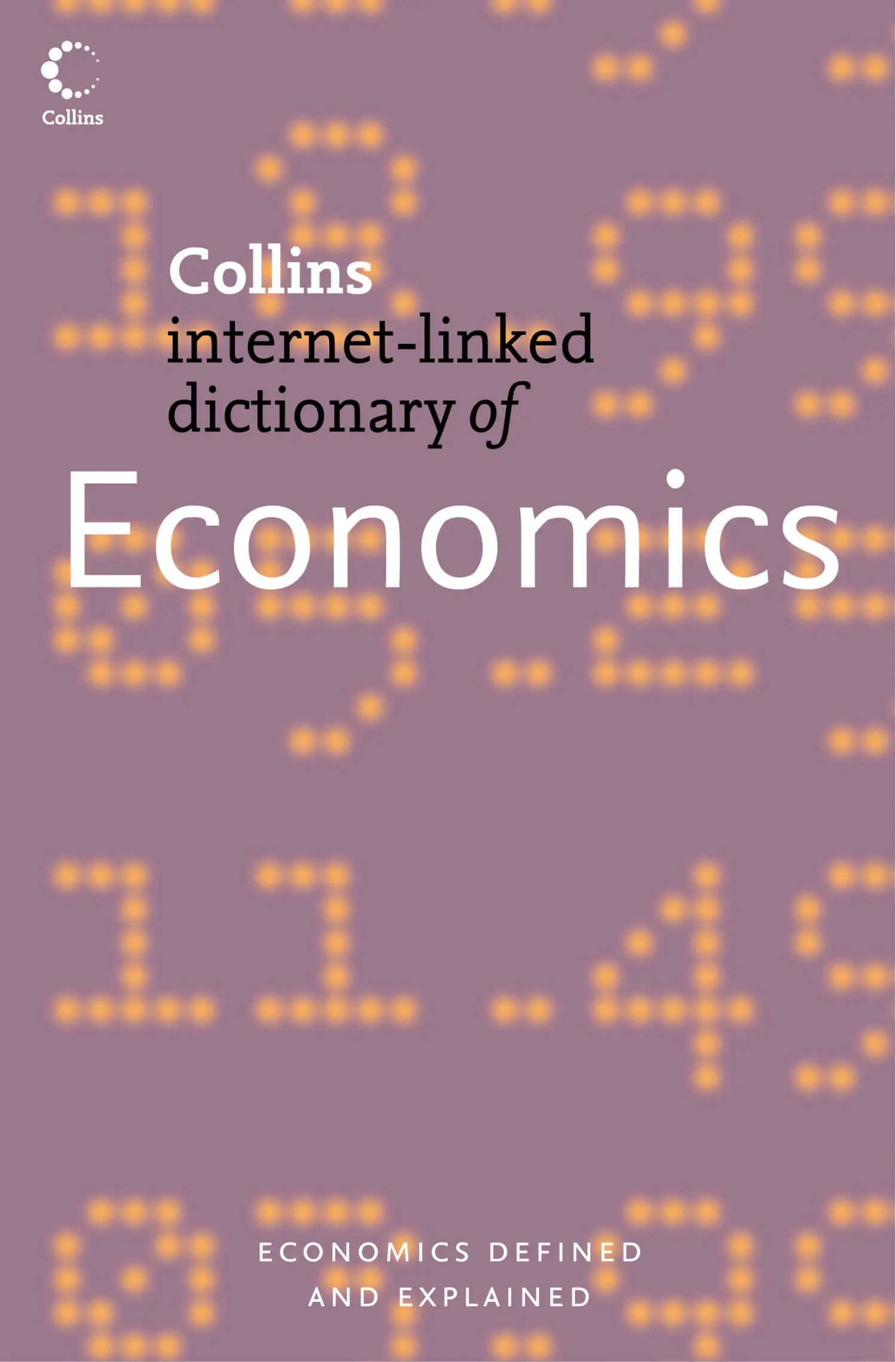
- Название:Economics
- Автор:
- Жанр:
- Год:неизвестен
- ISBN:нет данных
- Рейтинг книги:4 / 5. Голосов: 1
-
Избранное:Добавить в избранное
- Отзывы:
-
Ваша оценка:
Economics: краткое содержание, описание и аннотация
Предлагаем к чтению аннотацию, описание, краткое содержание или предисловие (зависит от того, что написал сам автор книги «Economics»). Если вы не нашли необходимую информацию о книге — напишите в комментариях, мы постараемся отыскать её.
Economics — читать онлайн ознакомительный отрывок
Ниже представлен текст книги, разбитый по страницам. Система сохранения места последней прочитанной страницы, позволяет с удобством читать онлайн бесплатно книгу «Economics», без необходимости каждый раз заново искать на чём Вы остановились. Поставьте закладку, и сможете в любой момент перейти на страницу, на которой закончили чтение.
Интервал:
Закладка:
2 in macroeconomics, capacity refers to POTENTIAL GROSS NATIONAL PRODUCT. The percentage relationship of actual output in the economy to capacity (i.e. potential national income) shows capacity utilization. See also MONOPOLISTIC COMPETITION.
capitalthe contribution to productive activity made by INVESTMENT in physical capital (for example, factories, offices, machinery, tools) and in HUMAN CAPITAL (for example, general education, vocational training). Capital is one of the three main FACTORS OF PRODUCTION, the other two being LABOUR and NATURAL RESOURCES. Physical (and human) capital make a significant contribution towards ECONOMIC GROWTH. See CAPITAL FORMATION, CAPITAL STOCK, CAPITAL WIDENING, CAPITAL DEEPENING, GROSS FIXED CAPITAL FORMATION, CAPITAL ACCUMULATION.
capital account1 the section of the NATIONAL INCOME ACCOUNTS that records INVESTMENT expenditure by government on infrastructure such as roads, hospitals and schools; and investment expenditure by the private sector on plant and machinery.
2 the section of the BALANCE OF PAYMENTS accounts that records movements of funds associated with the purchase or sale of long-term assets and borrowing or lending by the private sector.
capital accumulation or capital formation1 the process of adding to the net physical CAPITAL STOCK of an economy in an attempt to achieve greater total output. The accumulation of CAPITAL GOODS represents foregone CONSUMPTION, which necessitates a reward to capital in the form of INTEREST, greater PROFITS or social benefit derived. The rate of accumulation of an economy’s physical stock of capital is an important determinant of the rate of growth of an economy and is represented in various PRODUCTION FUNCTIONS and ECONOMIC GROWTH models. A branch of economics, called DEVELOPMENT ECONOMICS, devotes much of its analysis to determining appropriate rates of capital accumulation, type of capital required and types of investment project to maximize ‘development’ in underdeveloped countries (see DEVELOPING COUNTRY). In developed countries, the INTEREST RATE influences SAVINGS and INVESTMENT (capital accumulation) decisions, to a greater or lesser degree, in the private sector (see KEYNESIAN ECONOMICS) and can therefore be indirectly influenced by government. Government itself invests in the economy’s INFRASTRUCTURE. This direct control over capital accumulation, and the indirect control over private investment, puts the onus of achieving the economy’s optimal growth path on to the government. The nature of capital accumulation (whether CAPITAL WIDENING or CAPITAL DEEPENING) is also of considerable importance. See also CAPITAL CONSUMPTION, INVENTION, INNOVATION, CAPITAL-OUTPUT RATIO. 2the process of increasing the internally available CAPITAL of a particular firm by retaining earnings to add to RESERVES.
capital allowances‘write-offs’ against CORPORATION TAX when a FIRM invests in new plant and equipment. In the UK currently (as at 2004/05) a 25% ‘writing-down allowance’ against tax is available for firms that invest in new plant and equipment. Additionally, in the case of small and medium-sized firms, a 40% ‘first-year allowance’ is available for investment in new plant and equipment and a 100% tax write-off for investment in computers and e-commerce.
Capital allowances are aimed at stimulating investment, thereby increasing the supply-side capabilities of the economy and the rate of ECONOMIC GROWTH. See CAPITAL GOODS, DEPRECIATION 2.
capital appreciationsee APPRECIATION 2.
capital asset pricing modela model that relates the expected return on an ASSET or INVESTMENT to its risk. Assets that show greater variability in their annual returns generally need to earn higher expected average returns to compensate investors for the variability of returns. See RISK AND UNCERTAINTY.
capital budgetingthe planning and control of CAPITAL expenditure within a firm. Capital budgeting involves the search for suitable INVESTMENT opportunities; evaluating particular investment projects; raising LONG-TERM CAPITAL to finance investments; assessing the COST OF CAPITAL; applying suitable expenditure controls to ensure that investment outlays conform with the expenditures authorized; and ensuring that adequate cash is available when required for investments. See INVESTMENT APPRAISAL, DISCOUNTED CASH FLOW, PAYBACK PERIOD, MARGINAL EFFICIENCY OF CAPITAL/INVESTMENT.
capital consumptionthe reduction in a country’s CAPITAL STOCK incurred in producing this year’s GROSS NATIONAL PRODUCT (GNP). In order to maintain (or increase) next year’s GNP, a proportion of new INVESTMENT must be devoted to replacing worn-out and obsolete capital stock. Effectively, capital consumption represents the aggregate of firms’ DEPRECIATION charges for the year.
capital deepeningan increase in the CAPITAL input in the economy (see ECONOMIC GROWTH) at a faster rate than the increase in the LABOUR input so that proportionally more capital to labour is used to produce national output. See CAPITAL WIDENING, CAPITAL-LABOUR RATIO, PRODUCTIVITY.
capital employedsee SHAREHOLDERS’ CAPITAL EMPLOYED, LONG-TERM CAPITAL EMPLOYED.
capital expendituresee INVESTMENT.
capital formationsee CAPITAL ACCUMULATION.
capital gainthe surplus realized when an ASSET (house, SHARE, etc.) is sold at a higher price than was originally paid for it. Because of INFLATION, however, it is important to distinguish between NOMINAL VALUES and REAL VALUES. Thus what appears to be a large nominal gain may, after allowing for the effects of inflation, turn out to be a very small real gain. Furthermore, in an ongoing business, provision has to be made for the REPLACEMENT COST of assets, which can be much higher than the HISTORIC COST of the assets being sold. See CAPITAL GAINS TAX, CAPITAL LOSS, REVALUATION PROVISION, APPRECIATION 2.
capital gains taxa TAX on the surplus obtained from the sale of an ASSET for more than was originally paid for it. In the UK, CAPITAL GAINS tax for business assets is based (as at 2005/06) on a sliding scale, falling from 40% on gains from assets held for under one year to 10% on gains realised after four years. For persons, capital gains on ‘chargeable’ assets (e.g. shares) up to £8,500 per year are exempt from tax; above this they are taxed at 40%.
capital gearing or leveragethe proportion of fixed-interest LOAN CAPITAL to SHARE CAPITAL employed in financing a company. Where a company raises most of the funds that it requires by issuing shares and uses very few fixed-interest loans, it has a low capital gearing; where a company raises most of the funds that it needs from fixed-interest loans and few funds from SHAREHOLDERS, it is highly geared. Capital gearing is important to company shareholders because fixed-interest charges on loans have the effect of gearing up or down the eventual residual return to shareholders from trading profits. When the trading return on total funds invested exceeds the interest rate on loans, any residual surplus accrues to shareholders, enhancing their return. On the other hand, when the average return on total funds invested is less than interest rates, then interest still has to be paid, and this has the effect of reducing the residual return to shareholders. Thus, returns to shareholders vary more violently when highly geared.
The extent to which a company can employ fixed-interest capital as a source of long-term funds depends to a large extent upon the stability of its profits over time. For example, large retailing companies whose profits tend to vary little from year to year tend to be more highly geared than, say, mining companies whose profit record is more volatile.
Читать дальшеИнтервал:
Закладка:
Похожие книги на «Economics»
Представляем Вашему вниманию похожие книги на «Economics» списком для выбора. Мы отобрали схожую по названию и смыслу литературу в надежде предоставить читателям больше вариантов отыскать новые, интересные, ещё непрочитанные произведения.









Обсуждение, отзывы о книге «Economics» и просто собственные мнения читателей. Оставьте ваши комментарии, напишите, что Вы думаете о произведении, его смысле или главных героях. Укажите что конкретно понравилось, а что нет, и почему Вы так считаете.