Dan Hampton - Viper Pilot
Здесь есть возможность читать онлайн «Dan Hampton - Viper Pilot» весь текст электронной книги совершенно бесплатно (целиком полную версию без сокращений). В некоторых случаях можно слушать аудио, скачать через торрент в формате fb2 и присутствует краткое содержание. Город: New York, Год выпуска: 2012, ISBN: 2012, Издательство: William Morrow, Жанр: Биографии и Мемуары, nonf_military, на английском языке. Описание произведения, (предисловие) а так же отзывы посетителей доступны на портале библиотеки ЛибКат.
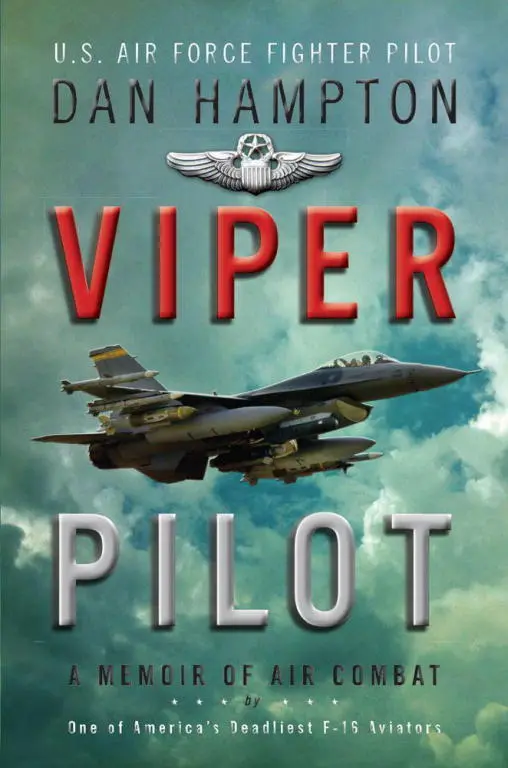
- Название:Viper Pilot
- Автор:
- Издательство:William Morrow
- Жанр:
- Год:2012
- Город:New York
- ISBN:978-0-06-213035-8
- Рейтинг книги:4 / 5. Голосов: 1
-
Избранное:Добавить в избранное
- Отзывы:
-
Ваша оценка:
Viper Pilot: краткое содержание, описание и аннотация
Предлагаем к чтению аннотацию, описание, краткое содержание или предисловие (зависит от того, что написал сам автор книги «Viper Pilot»). Если вы не нашли необходимую информацию о книге — напишите в комментариях, мы постараемся отыскать её.
is the electrifying memoir of one of the most decorated F-16 pilots in American history: U.S. Air Force Lieutenant Colonel Dan Hampton, who served for twenty years, flying missions in the Iraq War, the Kosovo conflict, and the first Gulf War.
Both a rare look into the elite world of fighter pilots and a thrilling first-person account of contemporary air combat,
soars—a true story of courage, skill, and commitment that will thrill U.S. Special Forces buffs, aviation and military history aficionados, and fans of the novels of Tom Clancy and Dale Brown.
Viper Pilot — читать онлайн бесплатно полную книгу (весь текст) целиком
Ниже представлен текст книги, разбитый по страницам. Система сохранения места последней прочитанной страницы, позволяет с удобством читать онлайн бесплатно книгу «Viper Pilot», без необходимости каждый раз заново искать на чём Вы остановились. Поставьте закладку, и сможете в любой момент перейти на страницу, на которой закончили чтение.
Интервал:
Закладка:
As I watched the jets spiral down and cross the runway threshold, a wholly unbelievable plume of white smoke lifted off from the north side of the base. My mouth dropped open. Really.
SAM.
Holy shit… I was trying to think of what to say and fumbling for the mike button.
SAM!
But an extremely excited voice beat me to it.
“Mi… Missile… Missile launch! Launch at… EXXON 21!”
EXXON was one of the orbiting tankers, and the pilot sounded like he was getting an enema.
Suddenly, the amazingly fast missile detonated in the middle of the stack with fighters swirling all around it. For a long, long moment, there was dead silence and then the tower frequency exploded.
“Tower…”
“LIK Tower… TARZAN Three… there was a missile launch from the base.”
“What the hell was…”
“…North of the base… exploded at…”
“…About 7,000 feet.”
“Two… are you all right…”
We found out later that the Patriot base defense missile battery was in auto-mode. Among other things, this meant that if it detected jamming, then it would lock onto the jamming source and fire. No one had foreseen the effect that a hundred jets, all with jamming pods, radios, and electronic equipment would have on the Patriot. It saw all that and interpreted everything as hostile, locked the biggest thing it could see, and fired. The poor tanker pilot had probably wet his pants, and who could blame him?
Everyone finally calmed down and normal calls continued. I landed uneventfully and found Orca waiting for me at the end of runway (EOR), getting “de-armed.” This meant that the explosive charges that released our bombs, missiles, or countermeasures were deactivated and pinned to keep them from coming off on the ground. I looked over at him, barely thirty feet away, and gave him a few enthusiastic fist pumps. He nodded, and I saw him smile. The EWO had his arms up on the canopy rail and his head back like he was asleep. But then I saw the visor turn toward me, and he gave me a thumbs-up.
One hour later, we’d shut down, visited maintenance debrief to explain any problems with the jets, gone by life support and gotten out of our gear, turned in our paperwork, and were back in the squadron. This was a long, low building that had been built during the Cold War and smelled like it hadn’t been used since the Cuban missile crisis. It was “hardened,” or reinforced, with six-feet-thick walls to withstand the nuclear attack that never came. Pilots coming back from missions would drop off their paperwork at the duty desk and then wander into the intelligence vault for yet another debrief. This was a sealed room with no windows. There were lots of secret computers, and all the classified information pertaining to our aircraft, weapons, and missions was kept here. Maps covered the walls with the latest and greatest updates on MiGs and SAMs. We’d pass on our enemy encounters and then discuss the target area.
Finally, after all this, we’d find an empty briefing room and discuss the flight in detail. We’d talk through each phase of the mission, tear apart the good and bad aspects, and arrive, hopefully, at ways to make it better. We’d dissect our videotapes and analyze each weapon that was dropped, shot, or fired. From this, and any intelligence reports, we’d arrive at a preliminary Battle Damage Assessment. This would get passed up to the Mission Planning Cell, which would use all the gathered information to plan the next round of missions.
I’d followed this process throughout my tactical career in training, so it was nothing new. This time, however, we concentrated almost exclusively on the combat engagements and our weapons effectiveness. The non-tactical stuff was limited to ensuring a smoother flow of a hundred aircraft back and forth into enemy territory. Like not having the Turkish Air Force run practice intercepts on us, or making certain that the Patriot batteries were not firing on auto tomorrow. Little things like that.
Three hours after we’d landed, we’d beaten today’s mission to death and were planning tomorrow’s. It was to be a similar strike package against the well-defended city of Kirkuk. SA-2s and SA-3s, of course, with a possible SA-6 and lots of Triple-A. The F-15s had claimed a dozen Iraqi fighters with no losses, but they were anticipating more of a fight tomorrow.
All the results from today were put together against the desired results for tomorrow. This was all dumped on a small group of fighter pilots attached to the Combined Wing Staff. Usually majors and lieutenant colonels, these guys were thoroughly frustrated, because they were planning the war and not fighting. Nevertheless, they took all this information, plus whatever general guidance was provided by the Coalition Headquarters, the Pentagon, the White House, the God of War, etc., and put together The Plan. This was published in a thick sheaf of papers called an Air-Tasking Order (ATO), or “Frag,” and it delineated targets, backup targets, weapons, and timing.
The Time Over Target (TOT) was a hard number that had to be met within thirty seconds. With hundreds of aircraft dropping all kinds of bombs, this was critical to minimize confusion and prevent fratricide. The border-crossing, air-refueling, and takeoff times worked backward from the TOT. The appointed Mission Commander, always a senior, field-grade pilot and, if possible, a Weapons Officer, would plan the tactics for his mission. How would the air escorts deal with the MiGs? Which SAMs were priorities for the Weasels? The target area was divided up between striker four-ships, and he’d decide who would attack what and when it would happen. Endless contingencies were taken into account—bad weather, backup attacks, and rejoin plans, to name a very few. Everything tactical had to be simple and easily executed when The Plan fell apart—which it always did, to some degree.
The Mission Commander would determine the taxi times and ground flow plan based on the takeoff order. He would then arrive at a Mass Brief time, when everyone involved in the mission would sit together, hear the latest intelligence, and go over things that affected everyone. These included radio frequencies, formations, and border-crossing points. The Combat Search and Rescue (CSAR) plan for the day was also briefed in the event of a shoot-down.
Once the Mission Commander posted the Mass Brief time, each squadron would build its own flying schedule, deciding who would fly in which positions and when their flight briefings would occur. It was a long, tedious process but one we’d all done before, so it went surprisingly smoothly.
As the excitement and adrenaline wore off, I realized I was glassy-eyed from hunger, with a throat that felt like sandpaper, and thrilled to be alive. It was that pins-and-needles, heightened-awareness feeling you get when you’ve come through a particularly dangerous event and discovered all your pieces and parts still work. I wanted a scotch.
Now, unlike our brother fighter pilots flying out of Saudi Arabia, we had an Officer’s Club and, more important, a bar. As the four of us strolled into the main lounge, it seemed like we were back in the States. The place was packed with guys drinking and talking with their hands. In fact, the only way to keep a fighter pilot from talking with his hands was to put either a drink or a woman in them.
Most of the pilots were wearing survival vests, festooned with various weapons, over their green flight-suits. There was a long, highly polished mahogany bar along the far wall complete with mirrors and glass shelves full of liquor. Men slouched against the bar rail or perched on bar stools trying to get the harassed bartender’s attention. Ceiling fans slowly circulated the cigar smoke and the lights were dim. All fighter bars were about the same. They smelled of sweaty Nomex from the flight suits, stale beer, sweet brandy, and burned popcorn. Somewhere a jukebox was cranked up, playing “Fat-bottomed Girls,” and in the corner another squadron was singing a touching hymn called “Sammy Small.”
Читать дальшеИнтервал:
Закладка:
Похожие книги на «Viper Pilot»
Представляем Вашему вниманию похожие книги на «Viper Pilot» списком для выбора. Мы отобрали схожую по названию и смыслу литературу в надежде предоставить читателям больше вариантов отыскать новые, интересные, ещё непрочитанные произведения.







Обсуждение, отзывы о книге «Viper Pilot» и просто собственные мнения читателей. Оставьте ваши комментарии, напишите, что Вы думаете о произведении, его смысле или главных героях. Укажите что конкретно понравилось, а что нет, и почему Вы так считаете.