Джонатан Келлерман - Crime Scene
Здесь есть возможность читать онлайн «Джонатан Келлерман - Crime Scene» весь текст электронной книги совершенно бесплатно (целиком полную версию без сокращений). В некоторых случаях можно слушать аудио, скачать через торрент в формате fb2 и присутствует краткое содержание. Город: New York, Год выпуска: 2017, ISBN: 2017, Издательство: Ballantine Books, Жанр: Триллер, на английском языке. Описание произведения, (предисловие) а так же отзывы посетителей доступны на портале библиотеки ЛибКат.
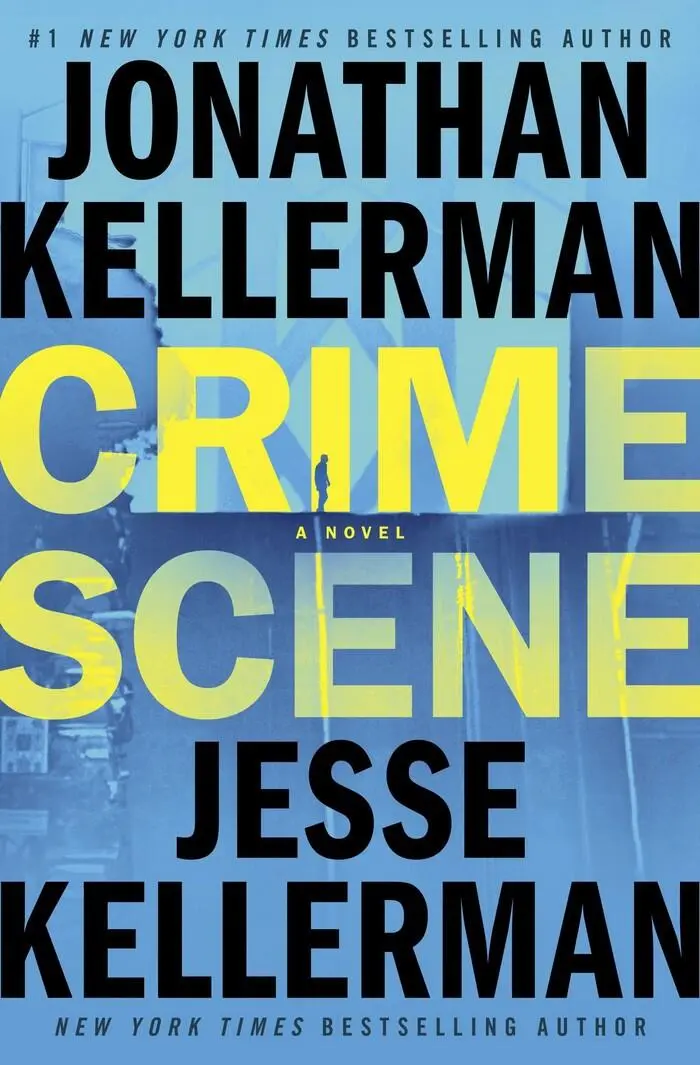
- Название:Crime Scene
- Автор:
- Издательство:Ballantine Books
- Жанр:
- Год:2017
- Город:New York
- ISBN:978-0-399-59460-1
- Рейтинг книги:4 / 5. Голосов: 1
-
Избранное:Добавить в избранное
- Отзывы:
-
Ваша оценка:
Crime Scene: краткое содержание, описание и аннотация
Предлагаем к чтению аннотацию, описание, краткое содержание или предисловие (зависит от того, что написал сам автор книги «Crime Scene»). Если вы не нашли необходимую информацию о книге — напишите в комментариях, мы постараемся отыскать её.
Eccentric, reclusive Walter Rennert lies cold at the bottom of his stairs. At first glance the scene looks straightforward: a once-respected psychology professor, done in by booze and a bad heart. But his daughter Tatiana insists that her father has been murdered, and she persuades Clay to take a closer look at the grim facts of Rennert’s life.
What emerges is a history of scandal and violence, and an experiment gone horribly wrong that ended in the brutal murder of a coed. Walter Rennert, it appears, was a broken man — and maybe a marked one. And when Clay learns that a colleague of Rennert’s died in a nearly identical manner, he begins to question everything in the official record.
All the while, his relationship with Tatiana is evolving into something forbidden. The closer they grow, the more determined he becomes to catch her father’s killer — even if he has to overstep his bounds to do it.
The twisting trail Clay follows will lead him into the darkest corners of the human soul. It’s his job to listen to the tales the dead tell. But this time, he’s part of a story that makes his blood run cold.
Crime Scene — читать онлайн бесплатно полную книгу (весь текст) целиком
Ниже представлен текст книги, разбитый по страницам. Система сохранения места последней прочитанной страницы, позволяет с удобством читать онлайн бесплатно книгу «Crime Scene», без необходимости каждый раз заново искать на чём Вы остановились. Поставьте закладку, и сможете в любой момент перейти на страницу, на которой закончили чтение.
Интервал:
Закладка:
The informant, Nicholas Linstad, explained that he was a fifth-year graduate student in the Cal Department of Psychology. At present he was conducting a study in which the individual, a Berkeley High School freshman, was enrolled.
Linstad stated that, upon recognizing the individual, he had grown concerned, wondering why a boy of that age would be on the street at that late hour, on a restless and hectic night. He called out, crossing the street and hoping to engage him in conversation. But before Linstad had reached him, the boy hurried away. Linstad stated that he had not attempted to pursue the conversation. He had to get home to his wife.
Chapter 16
I sat back, letting my eyes unfocus.
Nicholas Linstad had pointed the finger at Julian Triplett.
Hard to imagine a better motive for revenge.
Wondering why Linstad had waited over a month to come forward, I flipped through the transcript of his interview with Detective Bascombe.
LINSTAD: You see, it’s not simple. He’s a boy.
BASCOMBE: I hear that.
LINSTAD: He is a child. This is what you need to realize. He’s not...
BASCOMBE: I get it. I, it’s natural, you feel for him.
LINSTAD: Yes, of course, but also I thought perhaps I was mistaken, perhaps the police will find the real person. If I speak to you, I put him in a terrible position, and in the meantime the real person is walking around, free. You see?
BASCOMBE: I do. I do. Can I clarify something for a second? You thought you were mistaken? You mean you aren’t sure it was him you saw?
LINSTAD: No, no. This I felt, I feel quite certain about, it was definitely him.
BASCOMBE: You saw his face.
LINSTAD: I said his name and he turned to my direction.
BASCOMBE: Okay.
LINSTAD: But that is all I saw. I didn’t see him go in, I didn’t see him come out. It’s a boy’s life we are talking about, the life of a child.
BASCOMBE: There’s also the life of the victim.
LINSTAD: Yes... It’s all that I saw.
BASCOMBE: You said he was pushing buttons on the gate keypad... Nicholas?
LINSTAD: I suppose it’s possible.
BASCOMBE: It sounded before like you were pretty sure.
LINSTAD: It could be, it was dark.
BASCOMBE: Are you saying you’re not sure anymore?
LINSTAD: I... [inaudible]
BASCOMBE: Listen, I appreciate what you’re experiencing. I need to know what you saw, exactly like you saw it. It wasn’t too dark for you to see his face...? Nicholas.
LINSTAD: Yes, okay.
BASCOMBE: Yes he was messing with it...? I know you’re nodding but for the record, can you verbally acknowledge what you’re...
LINSTAD: I saw that he was pressing buttons.
BASCOMBE: Did it look like he was trying to break in?
LINSTAD: [inaudible] intentions. I thought perhaps he lived there.
BASCOMBE: He looked suspicious.
LINSTAD: I don’t know that.
BASCOMBE: That was the word you used. When we first sat down you told me you noticed him because he was acting suspicious.
LINSTAD: Perhaps I should have said he looked anxious.
BASCOMBE: How?
LINSTAD: I don’t know. It is an intuition that I had. I work with teenagers, I’m attuned to the way they behave.
BASCOMBE: You didn’t alert the authorities.
LINSTAD: No, of course not.
BASCOMBE: Why not?
LINSTAD: Because I didn’t know what he’s doing, he wasn’t doing anything wrong. He’s standing there. I called his name and he saw me and left. Why do I call the police? What can I tell them? There’s a person? He’s not there anymore. It’s not my business.
BASCOMBE: All right... Do you need a minute? Do you want some more water?
LINSTAD: No, thank you.
BASCOMBE: I’ll get you some more.
LINSTAD: Fine, yes.
(14:29:36)
BASCOMBE: Can we continue? You said the victim was working on the same study and that this boy Triplett was part of it. Sorry, can you, verbally...?
LINSTAD: Yes.
BASCOMBE: Did the two of them have contact with each other?
LINSTAD: She assisted with data collection. She was present at certain times and not at others. The subjects came in for several hours to perform the task and [inaudible] she was there when he was. But I don’t know if they met, I can’t say that.
BASCOMBE: Were they friends?
LINSTAD: How can I know? I don’t think so.
BASCOMBE: Okay, but, what I’m asking is, was there some kind of prior relationship between them that might lead him to want to hurt her?
LINSTAD: I don’t, I really don’t know.
BASCOMBE: The boy, you knew him a little bit?
LINSTAD: Not very much.
BASCOMBE: Enough to be worried when you saw him.
LINSTAD: I wasn’t worried, I was [inaudible].
BASCOMBE: What’s the difference?
LINSTAD: In the, the, in a broad sense, I was concerned. This boy, I saw him in the laboratory. You must try to imagine how it is to see him in a setting that is totally different. It was very late, I was tired. I apologize, I find it difficult to explain.
BASCOMBE: It’s all right, do what you can.
LINSTAD: That’s all I can think of, I don’t know how else to say it.
BASCOMBE: In terms of personality, how would you describe him?
LINSTAD: Well, it is really difficult to say.
BASCOMBE: Still, you interacted with him.
LINSTAD: Very briefly.
BASCOMBE: Did he ever do or say anything inappropriate, or threatening?
LINSTAD: I’m not sure what you mean.
BASCOMBE: In your judgment.
LINSTAD: This is not something I feel comfortable speaking about.
BASCOMBE: What makes you uncomfortable?
LINSTAD: He has a right... I must respect his privacy.
BASCOMBE: Be that as it may, you’re aware, you have to be aware of what he did.
LINSTAD: I don’t... It’s not my intention to lead him to a, a [inaudible].
BASCOMBE: Nicholas. Listen. This was a terrible thing. Just god-awful.
LINSTAD: Please.
BASCOMBE: It was really ugly, what he did to her. I can show you the pictures.
LINSTAD: No. No. No.
BASCOMBE: I’ve been a cop a long time, okay? Nothing like this.
LINSTAD: I don’t want to discuss it anymore. I saw him there, that’s all.
BASCOMBE: I’m saying, if you can help us... What is it. What’s the matter.
LINSTAD: Please, can we stop?
(14:51:09)
BASCOMBE: How are you feeling? Are you feeling better?
LINSTAD: Yes, better. Thank you.
BASCOMBE: You’re ready to go on?
LINSTAD: I must tell you I don’t think I should say any more before I’ve had a chance to consult with someone.
BASCOMBE: Okay, that’s not a problem, but first let’s talk about your study.
LINSTAD: One moment, because it’s not my study.
BASCOMBE: I thought it was yours.
LINSTAD: I have an advisor, it’s his lab.
BASCOMBE: What’s his name? I’d like to talk to him.
LINSTAD: Is that necessary?
BASCOMBE: Well, yeah, I think it is, because we’re talking about a kid who was in his study and a victim who was in his study. You can tell me his name. I’m not going to have a hard time finding that out. I can call your department...
LINSTAD: Professor Walter Rennert.
BASCOMBE: Okay.
LINSTAD: He doesn’t know I’m here. I didn’t tell him I was coming.
BASCOMBE: Why don’t you give him a call him right now? You can call him from another room and talk to him. Tell him we’d like to speak to him.
A knock yanked me back to the present. Nate Schickman poked his head in. He’d changed into work clothes. “Doing all right here?”
There was a clock above the door. I hadn’t left my chair in three hours.
“Fine,” I said, moving the binder off my lap. “There’s a lot to sort through.”
“You finding what you need?”
Читать дальшеИнтервал:
Закладка:
Похожие книги на «Crime Scene»
Представляем Вашему вниманию похожие книги на «Crime Scene» списком для выбора. Мы отобрали схожую по названию и смыслу литературу в надежде предоставить читателям больше вариантов отыскать новые, интересные, ещё непрочитанные произведения.




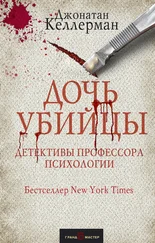
Обсуждение, отзывы о книге «Crime Scene» и просто собственные мнения читателей. Оставьте ваши комментарии, напишите, что Вы думаете о произведении, его смысле или главных героях. Укажите что конкретно понравилось, а что нет, и почему Вы так считаете.