Hood, Bruce - Supersense
Здесь есть возможность читать онлайн «Hood, Bruce - Supersense» весь текст электронной книги совершенно бесплатно (целиком полную версию без сокращений). В некоторых случаях можно слушать аудио, скачать через торрент в формате fb2 и присутствует краткое содержание. Год выпуска: 2009, Издательство: Constable Robinson, Жанр: Старинная литература, на английском языке. Описание произведения, (предисловие) а так же отзывы посетителей доступны на портале библиотеки ЛибКат.
- Название:Supersense
- Автор:
- Издательство:Constable Robinson
- Жанр:
- Год:2009
- ISBN:нет данных
- Рейтинг книги:3 / 5. Голосов: 1
-
Избранное:Добавить в избранное
- Отзывы:
-
Ваша оценка:
Supersense: краткое содержание, описание и аннотация
Предлагаем к чтению аннотацию, описание, краткое содержание или предисловие (зависит от того, что написал сам автор книги «Supersense»). Если вы не нашли необходимую информацию о книге — напишите в комментариях, мы постараемся отыскать её.
Supersense — читать онлайн бесплатно полную книгу (весь текст) целиком
Ниже представлен текст книги, разбитый по страницам. Система сохранения места последней прочитанной страницы, позволяет с удобством читать онлайн бесплатно книгу «Supersense», без необходимости каждый раз заново искать на чём Вы остановились. Поставьте закладку, и сможете в любой момент перейти на страницу, на которой закончили чтение.
Интервал:
Закладка:
Steve had many wonderful tales of the obsessive collector – the wild look in the eyes, the change in expression when some coveted item was discovered, the agitated voice. He used to keep items under the counter for his regulars in the full knowledge that they would buy what he had to offer. Steve remembered each customer’s particular fetish. Like a drug pusher, he fully understood the power of the addiction, as both he and his wife Shirl were collectors too. Steve barely made a living out of the business, but he enjoyed it so much that I bet he would have worked for rent money alone.
Why do people do it? Collecting seems such an odd behaviour in a world of instant upgrades, duplication, and modern innovation. Why look backward? When I entered the collector’s domain, I discovered a mirror world populated by legions of people who traipse around car trunk sales and flea markets every weekend seeking authenticity. Come rain or shine, these people were out in droves, looking for the original.
There is money to be made from collecting, but that’s not the only reason people do it. Money simply justifies the urge in most. The actor To m Hanks, wealthy by anyone’s standards, collects pre-Second World War typewriters. He sometimes spends more money repairing them than they are worth. 1Any collector can relate to this. For example, vintage cars are the folly of the extremely wealthy. It does not make financial sense to own such a collection.
Other people collect because of the joy of the pursuit of the missing piece. Such collectors are motivated to complete the whole set even if they cannot physically own the set. For example, trainspotters are people who collect train numbers. These individuals (mostly men) stand at the end of platforms of busy stations writing down the serial numbers of the different trains as they come and go. They are like bird-watchers, or ‘twitchers’ – the obsessed individuals (again usually men) who race up and down the country in an effort to spot as many different species of birds as they can find. This male passion for completing a set fits with Simon Baron-Cohen’s theory that we mentioned in chapter 5 about men being naturally inclined to order and systems.
However, collecting to completion is only one part of the obsession. Many collectors are motivated by the emotion generated by objects and the connection that objects make with the past. Collectors relish the sentimental feeling one can get from having and holding something from another time. If the object is associated with a significant person or event, the sense of connectedness is heightened. We recently conducted a large study of adults’ attitudes toward objects and found that, not only do we value authentic objects, but we also want to touch them. 2That’s why people will pay excessive amounts for Jackie Kennedy Onassis’s faux pearl necklace or bits of Princess Diana’s wedding dress. These authentic objects command distorted values in the mind of the collector.
Examples like these demonstrate that the urge to collect memorabilia can seem weird or strange, but Steve’s theory was that people collect memorabilia that reminds them of their own childhood or of better times when they thought they were happy. Objects are tangible, physical links with the past that can instantly transport us back to earlier days through a sense of connectedness. People don’t collect objects that make them feel sad. I am not sure what my motives were for accumulating postcards of side-show freaks and Hollywood starlets, but I readily appreciated the pleasure in discovering a comic annual or toy in Steve’s shop that I had seen as a boy and the way it took me back over the years. Each object was like unexpectedly meeting a long-lost friend.
When I told him I was working on a book about child development and the origins of irrational behaviour, Steve had promised to share tales of his more famous clients and their guilty collecting secrets. If I got a publisher, I would be back to discuss this more, as there are few things more irrational than the human obsession for collecting.
As I approached Steve’s shop to tell him the good news about the book deal, the first thing I noticed was that he was not standing in the doorway chatting to passers-by with his trademark coffee mug and rolled-up cigarette. I then saw the note taped to the inside of the window. My heart sank. Had he gone out of business? Surely not, as I knew Steve ran the shop for the love of dealing in memories, not to make money.
The truth was worse. Steve had died prematurely only weeks earlier in a sudden and rapid decline, before I even got a chance to know he was ill. In the letter taped to the window, his wife Shirl thanked everyone for all the words of kindness, but she could not continue the business without Steve and the shop would close. I returned only recently to see that the tiny premises were cleared out entirely, leaving just a shell, with the note still stuck to the window. I was surprised to see how large the shop had really been; Steve had packed it with so many objects that it had felt cozy and cluttered in a comforting way. It was like the guts had been ripped out of some big, friendly, furry animal. A bit like the man himself. I am sure such a sight would have broken Steve’s heart.
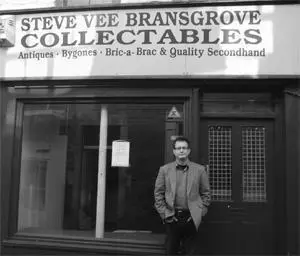
FIG. 17: Steve Vee Bransgrove Collectables in Frome (2007), where I spent many a happy hour. AUTHOR’S COLLECTION.
For me, the most poignant aspect of this story was not so much the loss of Steve (we all have to go) but the realization that many of us agonize and fret about possessions when we are alive. We accumulate objects over a lifetime in the belief that objects are important. We covet simple inanimate things. We invest emotion, effort, and time, and to what end or purpose? Only the very major collections survive intact, and they usually include recognized works of art with a commercial value. These are not the things that most of us could ever own. Personal possessions are often of little financial worth, and yet during our lives we are often annoyed or upset if they are damaged or lost. That’s because objects define who we think we are. We treat objects as an extension of ourselves. When someone dies, most of their possessions are distributed, sold, or handed down, but often they end up in the flea market or in the trash. It’s sobering to see how pointless a lifetime of collecting objects seems once the collector is gone. Sometimes when objects become symbols for a significant other, however, they can take on essential value.
Michel Levi-Leleu last saw his father Pierre in 1943 carrying a cardboard suitcase when he left the safety of a refuge in Avignon, France, looking for a new home for his Jewish family. Michel never saw his father again, but sixty years later the suitcase would reappear at the centre of a legal battle over ownership. 3
It was a terrible time when Michel’s father and suitcase went missing. The Jewish Holocaust of the Second World War was one of the most atrocious crimes against humanity in modern times. For the half-million annual visitors today, one of the most disturbing displays in the museum at Auschwitz is the pile of battered suitcases that once contained all the worldly possessions of families who would end their days in the death camp. Each case was labelled with the name of the owner in the belief that they would be reunited with their belongings again. The Nazis knew that to maintain the charade people had to think that their possessions were going to be kept safely and returned to them at some later date.
In 2005 Michel visited the Shoah Memorial in Paris, which was hosting a temporary Holocaust exhibit that included some of the suitcases on loan from Auschwitz. He knew his father had died during the war, but he could not believe his eyes when he spotted the suitcase with the handwritten label reading Pierre Levi. He asked for it to be returned. When the Auschwitz museum refused to hand over the suitcase, Michel took the museum to court. In court papers the museum stated, ‘The suitcases of prisoners deported to Auschwitz that are exhibited at the museum are among the most valuable objects that we have.’ The Polish government backed the museum.
Читать дальшеИнтервал:
Закладка:
Похожие книги на «Supersense»
Представляем Вашему вниманию похожие книги на «Supersense» списком для выбора. Мы отобрали схожую по названию и смыслу литературу в надежде предоставить читателям больше вариантов отыскать новые, интересные, ещё непрочитанные произведения.










Обсуждение, отзывы о книге «Supersense» и просто собственные мнения читателей. Оставьте ваши комментарии, напишите, что Вы думаете о произведении, его смысле или главных героях. Укажите что конкретно понравилось, а что нет, и почему Вы так считаете.