Amy Greene - Long Man
Здесь есть возможность читать онлайн «Amy Greene - Long Man» весь текст электронной книги совершенно бесплатно (целиком полную версию без сокращений). В некоторых случаях можно слушать аудио, скачать через торрент в формате fb2 и присутствует краткое содержание. Год выпуска: 2014, Издательство: Knopf, Жанр: Современная проза, на английском языке. Описание произведения, (предисловие) а так же отзывы посетителей доступны на портале библиотеки ЛибКат.
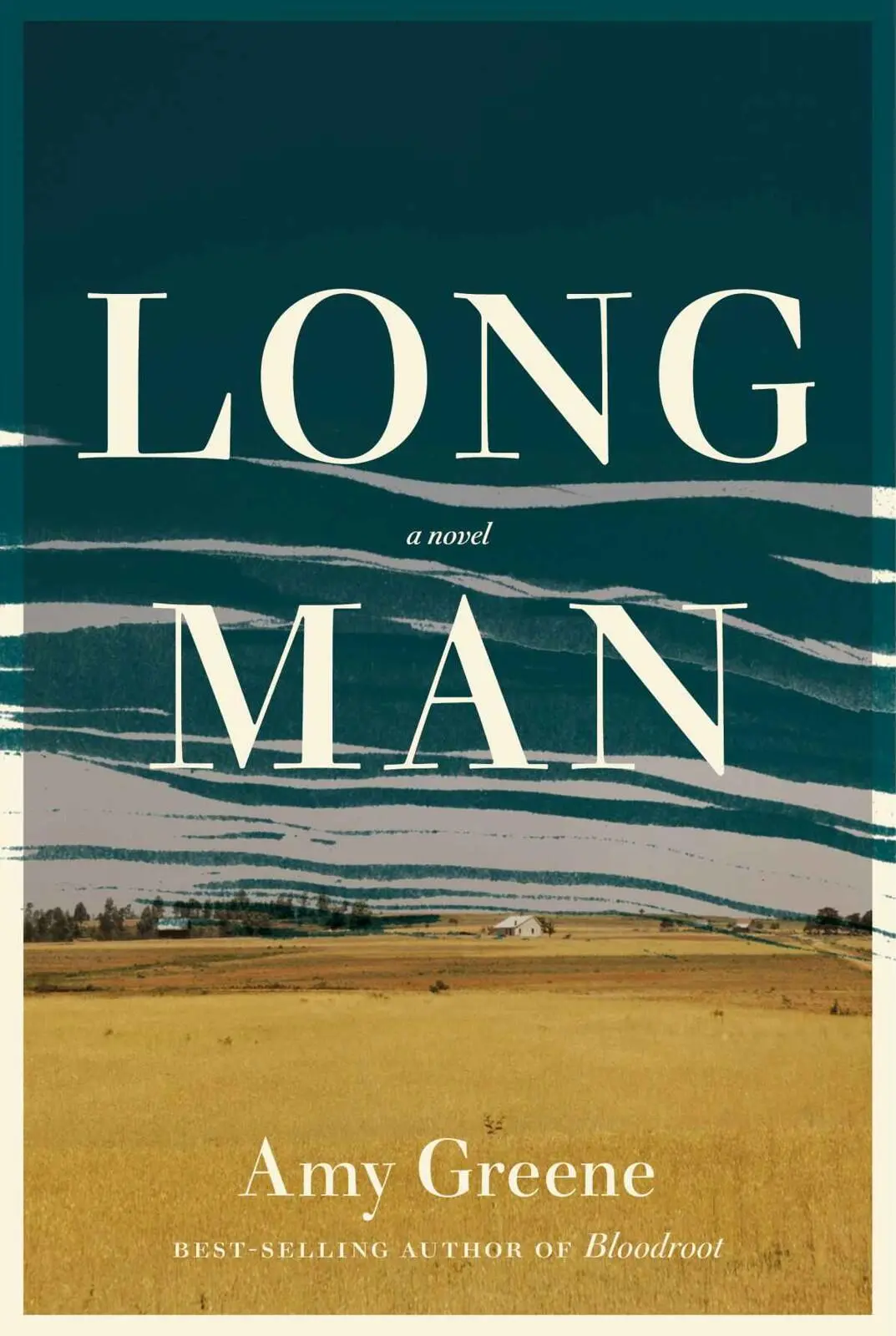
- Название:Long Man
- Автор:
- Издательство:Knopf
- Жанр:
- Год:2014
- ISBN:нет данных
- Рейтинг книги:5 / 5. Голосов: 1
-
Избранное:Добавить в избранное
- Отзывы:
-
Ваша оценка:
Long Man: краткое содержание, описание и аннотация
Предлагаем к чтению аннотацию, описание, краткое содержание или предисловие (зависит от того, что написал сам автор книги «Long Man»). Если вы не нашли необходимую информацию о книге — напишите в комментариях, мы постараемся отыскать её.
Long Man — читать онлайн бесплатно полную книгу (весь текст) целиком
Ниже представлен текст книги, разбитый по страницам. Система сохранения места последней прочитанной страницы, позволяет с удобством читать онлайн бесплатно книгу «Long Man», без необходимости каждый раз заново искать на чём Вы остановились. Поставьте закладку, и сможете в любой момент перейти на страницу, на которой закончили чтение.
Интервал:
Закладка:
“Annie Clyde,” he said. “You don’t mean to come with me. Do you?”
She didn’t answer, but her face told him enough.
His shoulders sagged. “I was wrong the other night.”
“James,” she said.
“You love Gracie better than life.”
“Please hush.”
“Why don’t you love me, though?”
She looked pained. “I do.”
“Where do you aim to go?”
“I’m staying here.”
“There ain’t no staying here.”
“We’ll live in Whitehall County.”
“And do what?”
“I could farm a few acres.”
“By yourself?”
“Yes. We’ll be all right.”
His hands clenched on the table. “You and Gracie.”
She looked at him again without speaking.
“You can’t have my little girl, Annie Clyde.”
She shook her head. “No. That’s not what I meant.”
“She’s as much mine as she is yours.”
Annie Clyde paused, twisting the dishrag. “Then stay with us.”
James fell silent. He rubbed his forehead. “You know I’d do anything for you and Gracie. But I can’t—” Before he could go on the storm that had been brewing all day broke loose, barraging the tin roof with rain. They both looked up, startled. Annie Clyde had dropped the dishrag. As she stooped to grab it her eyes settled on a fallen lump of Gracie’s apple pie.
“Just come with me,” James was saying. “I ain’t never begged you for nothing before.”
Annie Clyde glanced around the kitchen, not seeming to see him anymore. She started for the doorway but James blocked her path. “What are you doing?” he asked. “Don’t ignore me, Annie Clyde. I’ve had enough of that.” He saw the color rising in her cheeks. She pushed past him and he followed her into the hall. She looked toward the washstand, at the spilled water on the floor before it. She turned and went to the front room, rivulets pouring down the windows.
“Where’s Gracie?” she asked, almost to herself, lifting the curtains that Gracie liked to hide behind sometimes. She stood in the middle of the shadowed room, seeming to forget James was there. She went to the bottom of the stairs and called Gracie’s name, her voice ringing in the emptiness. When she started up James took her arm. She whirled on him. “Let me go,” she said.
He went up to the bedroom close on her heels. “I ain’t done talking to you,” he said. She knelt to look under the maple bed as if she hadn’t heard him, tossing the hem of their quilt out of her way. He had thought he knew what she was doing, avoiding the argument they should have had a long time ago. But then she raised up and looked him in the eye. Stormy light from the window shone on her face and the cabbage roses of the wallpaper. She was white, now, with fear.
“Lord, Annie Clyde,” James said. “What’s got into you?” She pushed past him again and stumbled down the stairs. “Slow down,” he hollered after her. “Before you break your neck. She can’t be too far.” But he felt the first inkling of worry himself. If Gracie had gone outside, she was caught in the storm. He followed Annie Clyde back through the front room and out the door. He paused on the porch to shove his feet into his boots, not bothering to tie them, then hurried to catch up with her. Together they moved through the yard, through the sheeting rain that was plastering their hair to their skulls, running into their mouths and filling their ears. When there was no sign of Gracie they ran around the side of the house, puddles splashing up their legs. As they reached the elm shading the barn lot Annie Clyde staggered to a stop. The chain was still wrapped around the base of the trunk but Rusty was gone. She turned to James with wide eyes. He knew what she was thinking. Someone had let the dog loose. Gracie couldn’t unfasten the hasp on the chain by herself. They ran on to the barn where Gracie liked to play sometimes and stood panting in the opening, water pouring from the eaves. James was certain she would be there. There had been moments of panic before when she was only hiding from them in the box wagon or the corncrib. But there was nothing in the barn besides the smell of old saddle leather.
After that, without even having to speak, Annie Clyde and James split up. She headed across the hayfield while he went back around the side of the house. He whistled for Rusty under the porch, checked the privy and the hog pen. Everywhere he looked, he expected to find Gracie. He couldn’t grasp what was happening. Only minutes ago he had been in the kitchen pleading with his wife. He was thinking how foolish he would feel later, after Gracie came out of her hiding place, when Annie Clyde called his name. It was a strangled scream, loud enough to be heard over the downpour. James ran out to the hayfield, his breath coming in wheezing huffs. Through the weeds he saw the dark top of Annie Clyde’s hair. She was on her knees under the apple tree. He was sure then that Gracie had fallen out of the swing and hit her head. He was sure that he would find Annie Clyde kneeling over their little girl. He was prepared to gather Gracie into his arms and run with her to the truck, praying the road to the doctor’s office in Whitehall County would be passable. But when he reached the tree Annie Clyde hovered over nothing it seemed, on her hands and knees among the puddles under the lowest boughs, where there wasn’t enough light for grass to grow. “What?” James shouted at her. “What is it?” She turned her face up to him, drenched hair in strings, shuddering in the cold rain. “Amos,” she said. “What are you talking about?” he asked, sinking down beside her. Then he saw it. There in the mud, surrounded by leaves and filled with water, was a single long footprint.
At four o’clock on the afternoon Gracie Dodson went missing, Beulah Kesterson was eating a biscuit smeared with apple butter, whitish light falling across the flowered tablecloth under the window. She dreaded getting up to wash her dinner dishes. There had been enough rain that toadstools sprouted between the floorboards. The dampness pained her joints. In recent years her fingers had grown too crooked to tat the lace she used to sell. Few bought the medicines she made either, since the druggist had come to town and a doctor had set up an office right across the county line. With no neighbors left she didn’t have the offerings they brought her in return for reading the bones. She was growing too feeble to hunt and trap, even to gather morels. The savings once pinned to the lining of her nightgown had dwindled to nothing. She didn’t know how she was going to survive whatever days she had left, especially if she lived to see another winter. This high in the mountains she was snowbound for months at a time, icicles hanging from the eaves like prison bars. Her days seemed endless then in the one room of her cabin, walls papered with pages of newsprint to keep out the cold. Often her fingers would travel to the bones hung around her neck and trace their familiar shapes inside the soft brown pouch, worn thin but somehow not worn through. They called on her to convene with them, to hear out the sorrows they had to tell.
Beulah had come to depend on the weight of the bones, in spite of the bothersome things they showed her. Worse than what formed in them was what she had seen with her first sight and not her second. The stillborn babies she had caught, the dead and dying she had been begged to save. One winter after the banks closed in 1929 a woman had brought her child bowlegged and bloat-bellied seeking some elixir to cure him. She was the wife of a tenant farmer and had seven more children in similar shape but the youngest was the worst off, too listless to play anymore. Beulah told the woman that the only cure for the child was food. She gave him a cup of goat’s milk and gave the woman some of her savings to see about buying a shoat. After the first thaw she went down to the woman’s tar-paper shack in the valley. The woman showed her the child’s grave under a chokecherry tree, the only thing growing green on their plot of rented land.
Читать дальшеИнтервал:
Закладка:
Похожие книги на «Long Man»
Представляем Вашему вниманию похожие книги на «Long Man» списком для выбора. Мы отобрали схожую по названию и смыслу литературу в надежде предоставить читателям больше вариантов отыскать новые, интересные, ещё непрочитанные произведения.












Обсуждение, отзывы о книге «Long Man» и просто собственные мнения читателей. Оставьте ваши комментарии, напишите, что Вы думаете о произведении, его смысле или главных героях. Укажите что конкретно понравилось, а что нет, и почему Вы так считаете.