Oonya Kempadoo - All Decent Animals
Здесь есть возможность читать онлайн «Oonya Kempadoo - All Decent Animals» весь текст электронной книги совершенно бесплатно (целиком полную версию без сокращений). В некоторых случаях можно слушать аудио, скачать через торрент в формате fb2 и присутствует краткое содержание. Год выпуска: 2013, Издательство: Farrar, Straus and Giroux, Жанр: Современная проза, на английском языке. Описание произведения, (предисловие) а так же отзывы посетителей доступны на портале библиотеки ЛибКат.
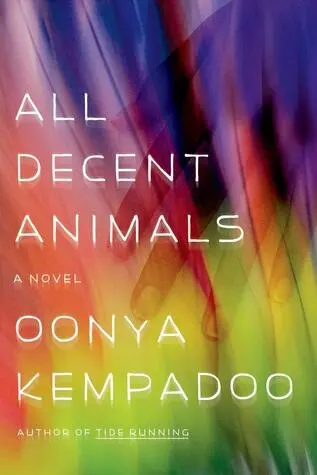
- Название:All Decent Animals
- Автор:
- Издательство:Farrar, Straus and Giroux
- Жанр:
- Год:2013
- ISBN:нет данных
- Рейтинг книги:4 / 5. Голосов: 1
-
Избранное:Добавить в избранное
- Отзывы:
-
Ваша оценка:
All Decent Animals: краткое содержание, описание и аннотация
Предлагаем к чтению аннотацию, описание, краткое содержание или предисловие (зависит от того, что написал сам автор книги «All Decent Animals»). Если вы не нашли необходимую информацию о книге — напишите в комментариях, мы постараемся отыскать её.
, looks at the personal and aesthetic choices of a multifaceted cast of characters on the Caribbean island of Trinidad — a country still developing economically but rich culturally, aiming at "world-class" status amid its poor island cousins. It is a novel about relationships, examined through the distinct rhythms of the city of Port of Spain.
Loyalties, love, conflicting cultures, and creativity come into play as Ata, a young woman working in carnival design but curious about writing, and her European boyfriend, Pierre, negotiate the care of their friend Fraser, a closeted gay man dying from AIDS. The contradictory Trinidadian setting becomes a parallel character to Fraser's Cambridge-derived artistic sensibility and an antagonist to Ata's creative journey.
All Decent Animals
All Decent Animals — читать онлайн бесплатно полную книгу (весь текст) целиком
Ниже представлен текст книги, разбитый по страницам. Система сохранения места последней прочитанной страницы, позволяет с удобством читать онлайн бесплатно книгу «All Decent Animals», без необходимости каждый раз заново искать на чём Вы остановились. Поставьте закладку, и сможете в любой момент перейти на страницу, на которой закончили чтение.
Интервал:
Закладка:
Ata watches his fingers try again. The bare seeds do look like tadpoles. She slips a few jet-black pips out of her lips into her palm. They stream silky but make little reassuring seed-clacking sounds as they land together. She clinks them onto her plate. “Even this is wrong.”
“What is? What could be wrong with—”
“Not you. Eating them like this, with plates and paper napkins.”
His mouth halts, then his eyes light up. “Oh, oh no … you’re a purist!”
“You should only eat them outdoors, leaning forward slightly, your feet apart, so it can drip down, free. And then lick your fingers clean, after.”
Fraser chuckles and starts his groaning, about warm nectar and sugar heavens of childhood. He runs a finger along the inside of an empty crust and sucks off the grainy cream that clings there. “Unh, that’s why adults don’t like it, the messiness. But it sweet.”
People want convenient sweetness, she thinks. In a packet, preferably. Even partners must come as a neat, pretty package, with the full works. Fraser’s state had not really improved and Ata had not initiated a talk with Pierre.
* * *
They continued eating the sugar apples in a silence interspersed with Fraser’s contented grunts.
“Is true, what I was saying,” he picks up. “That’s the difference, the extremes. Temperate fruit are more manageable — one big seed or edible seeds, or small avoidable, conveniently placed seeds, like an apple. Look at a nectarine, a plum, peaches, grapes. Neat. But mango, now — not only overly sweet sometimes, but mess. Watermelon — wash yuh face in it and spit out the seeds. Pineapple — you know how to handle and peel one?”
“Pomegranate.”
“Good one.”
“Or the best one — genip, or chenet you call it here, skin-up, whatever — the relative of litchi.”
The last of the sticky traces taste better as they laugh. “They hate that one! Especially when the flesh stainy and stick-up in yuh teeth.”
People roll the seeds in their mouths for hours like cows. “Once we saw a lady driving, doing so — like when monkey want to kiss — was chenet in she front teeth! Pierre won’t touch them.”
“At least they look pretty.”
Ata remembers showing uninterested Pierre how to taste before buying chenets. He had watched her take one from the vendor’s filthy hand, crack the skin between her teeth, and plop the fleshy seed into her mouth, without her lips touching the skin.
Her taste buds spring fresh saliva at the thought of the sharp flavor. Ata thinks of Western travelers, like some French, who go overboard about everything wonderfully local and new to them. The ones who get to know more about the foods and fruits than the locals themselves. And then those temperates who have a taste for other extremes all over the world — going after animals and the highest mountaintops, glaciers, and caves, the most minute plant forms and species, diving down where man have no business interfering. The biggest, the deepest, fastest, slowest — never pursued by tropicals. Or else they’re documented as exotic themselves. She mulls this over, playing with the tadpoles in her mouth.
Fraser had dozed off. Ata removes the plateful of sugar apple seeds and skins from his sticky fingers and sits back down with the messy unpolished feeling. The same as when she eats these fruits opposite Pierre, at a table — him with his silver knife and fork and linen napkin. She’d sometimes push aside her cutlery or table setting and come with her unmatching plate and paper napkins to eat the fruit of the season enjoyably. His reactions varied, according to the visual pleasingness of the fruit. Star apple, cut in half, with its glistening white star core set in purple flesh, never failed to please. Even its slitty seeds, dark slanted eyes shining on the porcelain. When she pointed the details out, he had already noticed. They both enjoyed it that way. And she used to love that he would notice the same color or shape she did, at the same time. But he hates the smell of passion fruit. Passion fruit, the queen of fruit essence. He only praised its unscented, sea-anemone flowers and the color of its juice.
No matter how fine Ata was with their differences sometimes — when she ate a fruit that couldn’t be cut conveniently or scooped with a spoon, or when she chose to suck and savor familiar flavors from her fingers, she felt unsophisticated, crude. Sometimes, she tried to pass it off as sensual or sensory, a complete culinary experience, but it just felt awkward and, if she dared let herself feel the full derisive state, apelike. Then her hackles would rise.
* * *
Ata had consulted the respected, intellectual Terence about this tropic/temperate dilemma and he took a long time to get it. Her language and how she “constructed” it climbed round and round in circles. He tried to decipher and eventually understood. And they laughed.
They laughed when he figured that was why many middle-class adults don’t eat these messy fruits. They laughed at the fancy recipes: carambola crumble, mango soufflé, and pommecythere compote. At the drizzle of sorrel reduction and … watermelon soup.
“Dehumanization, objectification, and inherent loathing of the ‘other’—as well as attraction — goes way back to…,” and he started going into the politics of racial history.
He left Ata thinking of her Afrocentric friends who would never have a white partner and celebrated all local foods, who had withdrawn from her since she started living with Pierre. It couldn’t come down to race, she thought.
All the same, if she couldn’t speak about these oozy details, could she write them? If she ever could write, these are the things she’d want to write about, not just the brightly beautiful. The thought feels almost the same as her floating feeling, away from the in-betweens. More than an observer for a reason.
* * *
Pierre enters the quiet sugar apple room, sniffing the warm and sickly smell.
“He’s sleeping,” Ata whispers.
He nods and peers at Fraser, almost fearfully. “I see that.” She stands up with the plates in her hands. As they leave, she whispers, “He enjoyed these.”
“Yes, yes. I’d imagine so.”
* * *
They were all summoned the next day, by Alan on behalf of Fraser.
“What on earth is T.G.I. Friday’s? And there’s another one, Ruby Tuesday. What is happening here?” Alan exclaims as if he is the first to notice.
Ata never liked how he demands people’s attention with his breathless way. BBC reporters have the same tactic when they open their horse mouths and bray out ordinary news all in a puffy rush. She leaves Pierre with Alan on the veranda and enters Fraser’s apartment. Helen is in the living room with him, and they look up expectantly. The doctor should arrive any minute now.
The worry crease between Goddess’s eyebrows is deeper than Ata has ever seen it, and her earnest focus pins Fraser tightly to the settee. Ata joins the wait.
“I’ve invited Mother and the others this afternoon too,” Fraser says in a faraway voice.
Helen scowls and picks up his hand. He gently removes it from her concerned grip and continues staring out blankly.
“You know, if you’d just try to deal—”
“Shh.” Fraser silences her with the small sound without even turning his head. A long minute stretches by. “Let’s just wait for the doctor, shall we?”
They overhear Alan and Pierre and it sounded like Pierre’s voice had changed a little, to suit Alan’s Britishness.
“Did that new Thai place survive?”
“Absolutely, it’s packed with eager yuppies all the time. They thrive on the new and trendy—”
“I know. The food was awful, though.”
“I still go to Oliver’s. He’s done really well for himself over the years.”
Читать дальшеИнтервал:
Закладка:
Похожие книги на «All Decent Animals»
Представляем Вашему вниманию похожие книги на «All Decent Animals» списком для выбора. Мы отобрали схожую по названию и смыслу литературу в надежде предоставить читателям больше вариантов отыскать новые, интересные, ещё непрочитанные произведения.











Обсуждение, отзывы о книге «All Decent Animals» и просто собственные мнения читателей. Оставьте ваши комментарии, напишите, что Вы думаете о произведении, его смысле или главных героях. Укажите что конкретно понравилось, а что нет, и почему Вы так считаете.