Emma Cline - The Girls
Здесь есть возможность читать онлайн «Emma Cline - The Girls» весь текст электронной книги совершенно бесплатно (целиком полную версию без сокращений). В некоторых случаях можно слушать аудио, скачать через торрент в формате fb2 и присутствует краткое содержание. Год выпуска: 2016, Издательство: Random House, Жанр: Современная проза, на английском языке. Описание произведения, (предисловие) а так же отзывы посетителей доступны на портале библиотеки ЛибКат.
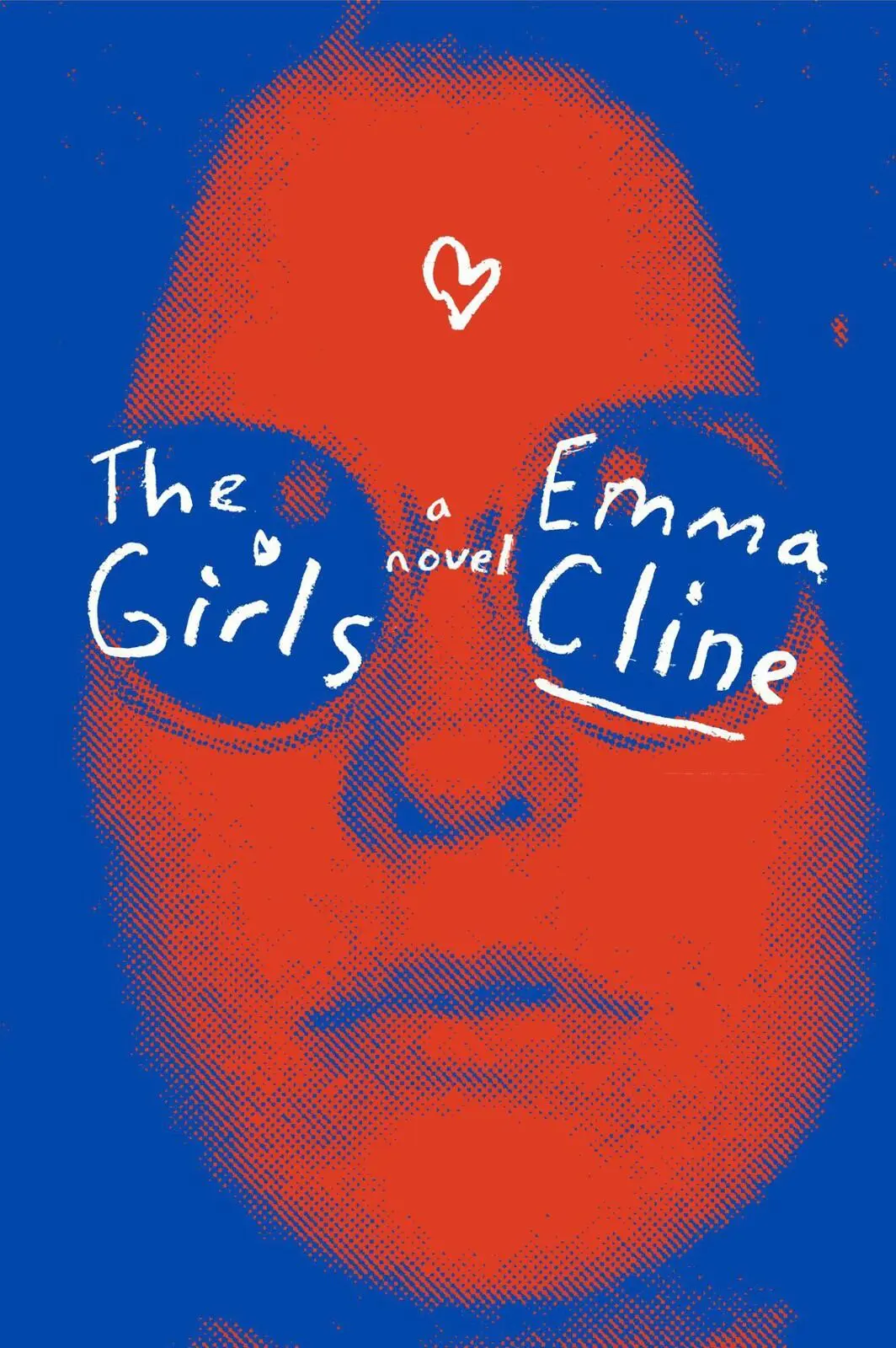
- Название:The Girls
- Автор:
- Издательство:Random House
- Жанр:
- Год:2016
- ISBN:нет данных
- Рейтинг книги:5 / 5. Голосов: 1
-
Избранное:Добавить в избранное
- Отзывы:
-
Ваша оценка:
The Girls: краткое содержание, описание и аннотация
Предлагаем к чтению аннотацию, описание, краткое содержание или предисловие (зависит от того, что написал сам автор книги «The Girls»). Если вы не нашли необходимую информацию о книге — напишите в комментариях, мы постараемся отыскать её.
Northern California, during the violent end of the 1960s. At the start of summer, a lonely and thoughtful teenager, Evie Boyd, sees a group of girls in the park, and is immediately caught by their freedom, their careless dress, their dangerous aura of abandon. Soon, Evie is in thrall to Suzanne, a mesmerizing older girl, and is drawn into the circle of a soon-to-be infamous cult and the man who is its charismatic leader. Hidden in the hills, their sprawling ranch is eerie and run down, but to Evie, it is exotic, thrilling, charged — a place where she feels desperate to be accepted. As she spends more time away from her mother and the rhythms of her daily life, and as her obsession with Suzanne intensifies, Evie does not realize she is coming closer and closer to unthinkable violence, and to that moment in a girl’s life when everything can go horribly wrong.
Emma Cline’s remarkable debut novel is gorgeously written and spellbinding, with razor-sharp precision and startling psychological insight. The Girls is a brilliant work of fiction — and an indelible portrait of girls, and of the women they become.
The Girls — читать онлайн бесплатно полную книгу (весь текст) целиком
Ниже представлен текст книги, разбитый по страницам. Система сохранения места последней прочитанной страницы, позволяет с удобством читать онлайн бесплатно книгу «The Girls», без необходимости каждый раз заново искать на чём Вы остановились. Поставьте закладку, и сможете в любой момент перейти на страницу, на которой закончили чтение.
Интервал:
Закладка:
—
A mile up the road, I came upon an exit and nearby Texaco station. I went in and out of the sulfur lights, the sound they made like bacon frying. I rocked on my toes, watching the road. When I finally gave up on anyone coming for me, I called my father’s number from the pay phone. Tamar answered. “It’s me,” I said.
“Evie,” she said. “Thank God. Where are you?” I could picture her twining the cord in the kitchen, gathering the loops. “I knew you’d call soon. I told your dad you would.”
I explained where I was. She must have heard the crack in my voice.
“I’ll leave now,” she said. “You stay right there.”
I sat on the curb to wait, leaning on my knees. The air was cool with the first news of autumn, and the constellation of brake lights was going along 101, the big trucks rearing as they picked up speed. I was reeling with excuses for Suzanne, some explanation for her behavior that would shake out. But there wasn’t anything but the awful, immediate knowledge — we had never been close. I had not meant anything.
I could sense curious eyes on me, the truckers who bought bags of sunflower seeds from the gas station and spit neat streams of tobacco on the ground. Their fatherly gaits and cowboy hats. I knew they were assessing the facts of my aloneness. My bare legs and long hair. My furious shock must have sent out some protective scrum, warning them off — they left me alone.
Finally I caught sight of a white Plymouth approaching. Tamar didn’t turn off the ignition. I got into the passenger side, gratitude for Tamar’s familiar face making me fumble. Her hair was wet. “I didn’t have time to dry it,” she said. The look she gave me was kind but mystified. I could tell she wanted to ask questions, but she must have known that I wouldn’t explain. The hidden world that adolescents inhabit, surfacing from time to time only when forced, training their parents to expect their absence. I was already disappeared.
“Don’t worry,” she said. “He didn’t tell your mom you took off. I told him that you’d show up and then she’d just be worried for no reason.”
Already my grief was doubling, absence my only context. Suzanne had left me, for good. A frictionless fall, the shock of missing a step. Tamar searched her purse with one hand until she found a small gold box, overlaid with pink stamped leather. Like a card case. There was a single joint inside, and she nodded to the glove compartment — I found a lighter.
“Don’t tell your dad?” She inhaled, eyes on the road. “He might ground me, too.”
—
Tamar was telling the truth: my father hadn’t called my mother, and though he was shaky with rage, he was sheepish, too, his daughter a pet he’d forgotten to feed.
“You could’ve been hurt,” he said, like an actor guessing at his lines.
Tamar calmly patted his back on her way to the kitchen, then poured herself a Coke. Leaving me with his hot, nervous breath, his blinky, frightened face. He regarded me across the living room, his upset trailing off. Everything that had happened — I was unafraid of this, my father’s neutered anger. What could he do to me? What could he take away?
And then I was back in my bland room in Palo Alto, the light from the lamp the featureless light of the business traveler.
—
The apartment was empty by the time I emerged the next morning, my father and Tamar already at work. One of them — probably Tamar — had left a fan going, and a fake-looking plant shivered in the wake of air. There was only a week before I had to leave for boarding school, and seven days seemed too long to be in my father’s apartment, seven dinners to soldier through, but, at the same time, unfairly brief — I wouldn’t have time for habits, for context. I just had to wait.
I turned on the television, the chatter a comforting soundtrack as I foraged in the kitchen. The box of Rice Krispies in the cabinet had a barest coating of cereal left: I ate it by the handful, then flattened the empty box. I poured a glass of iced tea, balanced a stack of crackers with the pleasing quantity and thickness of poker chips. I ferried the food to the couch. Before I could settle back, the screen stopped me.
The crowd of images, doubling and spreading.
The search for the perpetrator or perpetrators still unsuccessful. The newscaster said Mitch Lewis was not available for comment. The crackers crimped into shards by my wet hands.
—
Only after the trial did things come into focus, that night taking on the now familiar arc. Every detail and blip made public. There are times I try to guess what part I might have played. What amount would belong to me. It’s easiest to think I wouldn’t have done anything, like I would have stopped them, my presence the mooring that kept Suzanne in the human realm. That was the wish, the cogent parable. But there was another possibility that slouched along, insistent and unseen. The bogeyman under the bed, the snake at the bottom of the stairs: maybe I would have done something, too.
Maybe it would have been easy.
—
They’d gone straight to Mitch’s after leaving me by the side of the road. Another thirty minutes in the car, thirty minutes that were maybe energized by my dramatic dismissal, the consolidation of the group into the true pilgrims. Suzanne leaning on folded arms over the front seat, giving off an amphetamine fritz, that lucid surety. Guy turning off the highway and onto the two-lane road, crossing the lagoon. The low stucco motels by the off-ramp, the eucalyptus loomy and peppering the air. Helen claimed, in her court testimony, that this was the first moment she expressed reservations to the others. But I don’t believe it. If anyone was questioning themselves, it was all under the surface, a filmy bubble drifting and popping in their brains. Their doubt growing weak as the particulars of a dream grow weak. Helen realized she’d left her knife at home. Suzanne shouted at her, according to trial documents, but the group dismissed plans to go back for it. They were already coasting, in thrall to a bigger momentum.
—
They parked the Ford along the road, not even bothering to hide it. As they made their way to Mitch’s gate, their minds seemed to hover and settle on the same movements, like a single organism.
I can imagine that view. Mitch’s house, as seen from the gravel drive. The calm fill of the bay, the prow of the living room. It was familiar to them. The month they’d spent living with Mitch before I’d known them, running up delivery bills and catching molluscum from dank towels. But still. I think that night they might have been newly struck by the house, faceted and bright as rock candy. Its inhabitants already doomed, so doomed the group could feel an almost preemptive sorrow for them. For how completely helpless they were to larger movements, their lives already redundant, like a tape recorded over with static.
—
They’d expected to find Mitch. Everyone knows this part: how Mitch had been called to Los Angeles to work on a track he’d made for Stone Gods, the movie that was never released. He’d taken the last TWA flight of the night out of SFO, landing in Burbank, leaving his house in the hands of Scotty, who had cut the grass that morning but not yet cleaned the pool. Mitch’s old girlfriend calling in a favor, asking if she and Christopher could crash for two nights, just two nights.
Suzanne and the others had been surprised to find strangers in the house. No one they had ever met. And that could have been the abortive moment, a glance of agreement passing between them. The return to the car, their deflated silence. But they didn’t turn back. They did what Russell had told them to do.
Make a scene. Do something everyone would hear about.
Читать дальшеИнтервал:
Закладка:
Похожие книги на «The Girls»
Представляем Вашему вниманию похожие книги на «The Girls» списком для выбора. Мы отобрали схожую по названию и смыслу литературу в надежде предоставить читателям больше вариантов отыскать новые, интересные, ещё непрочитанные произведения.







Обсуждение, отзывы о книге «The Girls» и просто собственные мнения читателей. Оставьте ваши комментарии, напишите, что Вы думаете о произведении, его смысле или главных героях. Укажите что конкретно понравилось, а что нет, и почему Вы так считаете.