Emma Cline - The Girls
Здесь есть возможность читать онлайн «Emma Cline - The Girls» весь текст электронной книги совершенно бесплатно (целиком полную версию без сокращений). В некоторых случаях можно слушать аудио, скачать через торрент в формате fb2 и присутствует краткое содержание. Год выпуска: 2016, Издательство: Random House, Жанр: Современная проза, на английском языке. Описание произведения, (предисловие) а так же отзывы посетителей доступны на портале библиотеки ЛибКат.
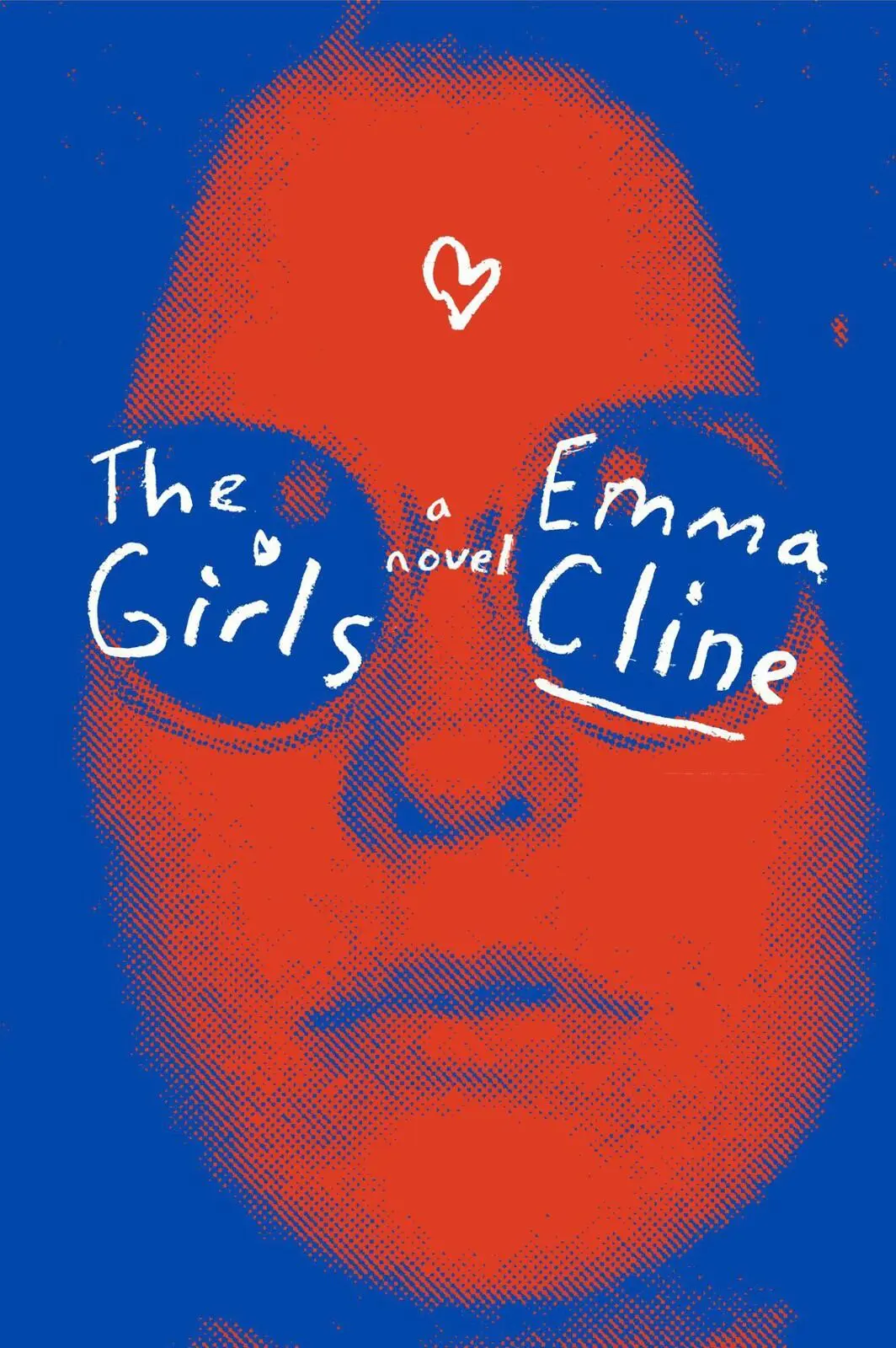
- Название:The Girls
- Автор:
- Издательство:Random House
- Жанр:
- Год:2016
- ISBN:нет данных
- Рейтинг книги:5 / 5. Голосов: 1
-
Избранное:Добавить в избранное
- Отзывы:
-
Ваша оценка:
The Girls: краткое содержание, описание и аннотация
Предлагаем к чтению аннотацию, описание, краткое содержание или предисловие (зависит от того, что написал сам автор книги «The Girls»). Если вы не нашли необходимую информацию о книге — напишите в комментариях, мы постараемся отыскать её.
Northern California, during the violent end of the 1960s. At the start of summer, a lonely and thoughtful teenager, Evie Boyd, sees a group of girls in the park, and is immediately caught by their freedom, their careless dress, their dangerous aura of abandon. Soon, Evie is in thrall to Suzanne, a mesmerizing older girl, and is drawn into the circle of a soon-to-be infamous cult and the man who is its charismatic leader. Hidden in the hills, their sprawling ranch is eerie and run down, but to Evie, it is exotic, thrilling, charged — a place where she feels desperate to be accepted. As she spends more time away from her mother and the rhythms of her daily life, and as her obsession with Suzanne intensifies, Evie does not realize she is coming closer and closer to unthinkable violence, and to that moment in a girl’s life when everything can go horribly wrong.
Emma Cline’s remarkable debut novel is gorgeously written and spellbinding, with razor-sharp precision and startling psychological insight. The Girls is a brilliant work of fiction — and an indelible portrait of girls, and of the women they become.
The Girls — читать онлайн бесплатно полную книгу (весь текст) целиком
Ниже представлен текст книги, разбитый по страницам. Система сохранения места последней прочитанной страницы, позволяет с удобством читать онлайн бесплатно книгу «The Girls», без необходимости каждый раз заново искать на чём Вы остановились. Поставьте закладку, и сможете в любой момент перейти на страницу, на которой закончили чтение.
Интервал:
Закладка:
Russell introduced me to Mitch, saying, “Our little actress,” his hand at my back.
Mitch studied me with a questioning, smug smile. Men did it so easily, that immediate parceling of value. And how they seemed to want you to collude on your own judgment.
“I’m Mitch,” he said. As if I hadn’t already known. His skin was fresh looking and poreless in the way of wealthy overeaters.
“Give Mitch a hug,” Russell said. Nudging me. “Mitch wants a hug, just like the rest of us. He could use a little love.”
Mitch looked expectant, opening a present he’d already shaken and identified. Usually, I would have been eaten by shyness. Conscious of my body, some error I could make. But already I felt different. I was one of them, and that meant I could smile back at Mitch, stepping forward to let him mash himself against me.
The long afternoon that followed: Mitch and Russell took turns playing guitar. Helen sitting on Mitch’s lap in a bikini top. She kept giggling and ducking her pigtailed head into his neck. Mitch was a much better musician than Russell, but I tried not to notice. I got stoned with a new and furious concentration, passing beyond the point of nervousness and into a blunted state. Smiling almost involuntarily, so my cheeks started to ache. Suzanne sat cross-legged in the dirt beside me, her fingers grazing mine. Our faces cupped and attentive as tulips.
—
It was one of those slurry days we offered up to the shared dream, a violence in our aversion to real life; though it was all about connecting, tuning in, we told ourselves. Mitch had dropped off some acid, sourced from a lab tech at Stanford. Donna mixed it with orange juice in paper cups and we drank it for breakfast, so the trees seemed to thrum with energy, the shadows purpling and wet. It was curious, later, to think of how easily I fell into things. If there were drugs around, I did them. You were in the moment — when everything back then happened. We could talk about the moment for hours. Turn it over in conversation: the way the light moved, why someone was silent, dismantling all the layers of what a look had really meant. It seemed like something important, our desire to describe the shape of each second as it passed, to bring out everything hidden and beat it to death.
Suzanne and I were working on the childish bracelets the girls had been trading among ourselves, collecting them up our arms like middle-schoolers. Practicing the V stitch. The candy stripe. I was making one for Suzanne, fat and wide, a poppy-red chevron on a field of peach thread. I liked the calm collection of the knots, how the colors vibrated happily under my fingers. I got up once to get Suzanne a glass of water, and there was a domestic gentleness in that act. I wanted to meet a need, put water in her mouth. Suzanne smiled up at me as she drank, gulping so fast I could see her throat ripple.
Helen’s cousin Caroline was hanging around that day. She seemed more knowing than I had ever been at eleven. Her bracelets shook with the kiss of cheap metal. Her terry-cloth shirt was the pale yellow of a lemon slushie and showed her small stomach, though her knees were scraped and ashy like a boy’s.
“Far-out,” she said when Guy tipped a paper cup of juice to her lips, and like a windup toy, she kept repeating this phrase when the acid began to hit. I’d started to detect the first signs in myself, too, my mouth filling with saliva. I thought of the flooded creeks I’d seen in childhood, the death cold of the rainwater as it came swift over the rocks.
I could hear Guy spinning nonsense on the porch. One of his meaningless stories, the drug making his bluster echo. His long hair pulled into a dark knot at the base of his skull.
“This fella was banging on the door,” he was saying, “shouting that he’d come to take what was his, and I was like aw, hell, big fuckin’ deal,” he droned, “I’m Elvis Presley,” and Roos was nodding along. Squinting up at the sun while Country Joe sounded from the house. Clouds drifting across the blue, outlined in neon.
“Check out Orphan Annie,” Suzanne said, rolling her eyes at Caroline.
Caroline was overdoing it at first, her stumbling, dopey affect, but soon the drug actually caught up to her and she got wild-eyed and a little scared. She was thin enough that I could see the glandular throb at her throat. Suzanne was watching her, too, and I waited for her to say something, but she didn’t. Helen, Caroline’s supposed cousin, didn’t say anything, either. She was sunstruck, catatonic, stretched out on a piece of old carpet and listing a hand over her eyes. Giggling to no one. I went over to Caroline finally, touching her tiny shoulder.
“How’s it going?” I said.
She didn’t look up until I said her name. I asked her where she was from; she screwed her eyes tight. It was the wrong thing to say — of course it was, bringing up all that bad shit from the outside, whatever rotten memories were probably doubling right then. I didn’t know how to pull her back from the bog.
“You want this?” I said, holding up the bracelet. She peeked at it. “Just have to finish it,” I said, “but it’s for you.”
Caroline smiled.
“It’s gonna look real nice on you,” I went on. “It’ll go good with your shirt.”
The electricity in her eyes calmed. She held her own shirt away from her body to study it, softening.
“I made it,” she said, fingering the embroidered outline of a peace sign on the shirt, and I saw the hours she’d spent on it, maybe borrowing her mother’s sewing box. It seemed easy: to be kind to her, to put the finished bracelet around her wrist, burning the knot with a match so she’d have to cut it off. I didn’t notice Suzanne eyeing us, her own bracelet ignored in her lap.
“Beautiful,” I said, lifting Caroline’s wrist. “Nothing but beauty.”
As if I were an occupant of that world, someone who could show the way to others. Such grandiosity mixed up in my feelings of kindness; I was starting to fill in all the blank spaces in myself with the certainties of the ranch. The cool glut of Russell’s words — no more ego, turn off the mind. Pick up the cosmic wind instead. Our beliefs as mild and digestible as the sweet rolls and cakes we hustled from a bakery in Sausalito, stuffing our faces with the easy starch.
—
In the days after, Caroline followed me like a stray dog. Hovering, in the doorway of Suzanne’s room, asking if I wanted one of the cigarettes she’d cadged from the bikers. Suzanne stood up and clasped her elbows behind her back, stretching.
“They just gave you them?” Suzanne said archly. “For free?”
Caroline glanced at me. “The cigarettes?”
Suzanne laughed without saying anything else. I was confused, in these moments, but translated them into further proof: Suzanne was prickly with other people because they didn’t understand her like I did.
I didn’t say it out loud to myself or even think about it too much. Where things were heading with Suzanne. The dredge of discomfort I got when she disappeared with Russell. How I didn’t know what to do without her, seeking out Donna or Roos like a lost kid. The time she came back smelling of dried sweat and roughly wiped herself between the legs with a washcloth, like she didn’t care I was watching.
I got up when I saw how nervously Caroline fingered the bracelet I’d given her.
“I’ll take a cigarette,” I said, smiling at Caroline.
Suzanne hooked her arm in mine.
“But we’re gonna feed the llamas,” Suzanne said. “Don’t want them to starve, do you? Waste away?”
I hesitated, and Suzanne reached out to play with a part of my hair. She was always doing that: picking burrs off my shirt, once wedging a fingernail between my front teeth to dislodge a bit of food. Breaching the boundaries to let me know they didn’t exist.
Читать дальшеИнтервал:
Закладка:
Похожие книги на «The Girls»
Представляем Вашему вниманию похожие книги на «The Girls» списком для выбора. Мы отобрали схожую по названию и смыслу литературу в надежде предоставить читателям больше вариантов отыскать новые, интересные, ещё непрочитанные произведения.





Обсуждение, отзывы о книге «The Girls» и просто собственные мнения читателей. Оставьте ваши комментарии, напишите, что Вы думаете о произведении, его смысле или главных героях. Укажите что конкретно понравилось, а что нет, и почему Вы так считаете.