Emma Cline - The Girls
Здесь есть возможность читать онлайн «Emma Cline - The Girls» весь текст электронной книги совершенно бесплатно (целиком полную версию без сокращений). В некоторых случаях можно слушать аудио, скачать через торрент в формате fb2 и присутствует краткое содержание. Год выпуска: 2016, Издательство: Random House, Жанр: Современная проза, на английском языке. Описание произведения, (предисловие) а так же отзывы посетителей доступны на портале библиотеки ЛибКат.
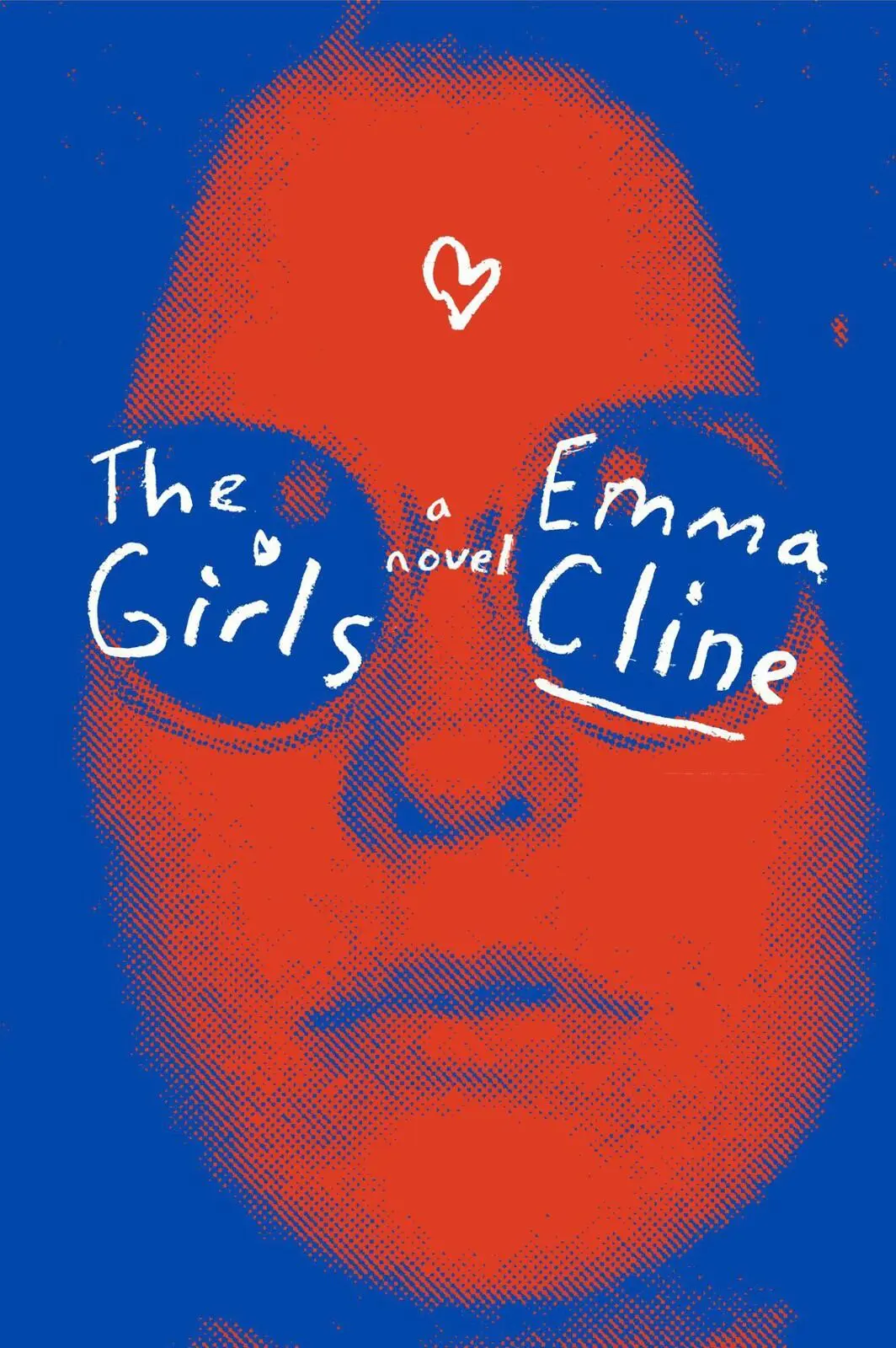
- Название:The Girls
- Автор:
- Издательство:Random House
- Жанр:
- Год:2016
- ISBN:нет данных
- Рейтинг книги:5 / 5. Голосов: 1
-
Избранное:Добавить в избранное
- Отзывы:
-
Ваша оценка:
The Girls: краткое содержание, описание и аннотация
Предлагаем к чтению аннотацию, описание, краткое содержание или предисловие (зависит от того, что написал сам автор книги «The Girls»). Если вы не нашли необходимую информацию о книге — напишите в комментариях, мы постараемся отыскать её.
Northern California, during the violent end of the 1960s. At the start of summer, a lonely and thoughtful teenager, Evie Boyd, sees a group of girls in the park, and is immediately caught by their freedom, their careless dress, their dangerous aura of abandon. Soon, Evie is in thrall to Suzanne, a mesmerizing older girl, and is drawn into the circle of a soon-to-be infamous cult and the man who is its charismatic leader. Hidden in the hills, their sprawling ranch is eerie and run down, but to Evie, it is exotic, thrilling, charged — a place where she feels desperate to be accepted. As she spends more time away from her mother and the rhythms of her daily life, and as her obsession with Suzanne intensifies, Evie does not realize she is coming closer and closer to unthinkable violence, and to that moment in a girl’s life when everything can go horribly wrong.
Emma Cline’s remarkable debut novel is gorgeously written and spellbinding, with razor-sharp precision and startling psychological insight. The Girls is a brilliant work of fiction — and an indelible portrait of girls, and of the women they become.
The Girls — читать онлайн бесплатно полную книгу (весь текст) целиком
Ниже представлен текст книги, разбитый по страницам. Система сохранения места последней прочитанной страницы, позволяет с удобством читать онлайн бесплатно книгу «The Girls», без необходимости каждый раз заново искать на чём Вы остановились. Поставьте закладку, и сможете в любой момент перейти на страницу, на которой закончили чтение.
Интервал:
Закладка:
Roos got to her feet with effort.
“Baby,” she said, holding her arms out, “baby, you gotta be nice.” She took a few steps toward Nico, who started screaming, too, sitting down heavy on his diaper. “Get up,” Roos said, “come on, baby,” trying to hold on to his shoulders, but he’d gone limp and wouldn’t be moved. The other girl sobered in the face of Nico’s antics, how he wrenched away from his mother and started banging his head against the floor. “Baby,” Roos said, droning louder, “no, no, no,” but he kept going, his eyes getting dark and buttony with pleasure.
“God.” Helen laughed, a strange laugh that persisted. I didn’t know what to do. I remembered the helpless panic I’d sometimes felt when babysitting, a realization that this child did not belong to me and was beyond my reach; but even Roos seemed paralyzed with the same worry. Like she was waiting for Nico’s real mother to come home and fix everything. Nico was getting pink with effort, his skull knocking on the floor. Yelling until he heard the footsteps on the porch — it was Russell, and I saw everyone’s faces condense with new life.
“What’s this?” Russell said. He was wearing one of Mitch’s cast-off shirts, big bloody roses embroidered along the yoke. He was barefoot, wet all over from the rain.
“Ask Roos,” Helen chirped. “It’s her kid.”
Roos muttered something, her words going wild at the end, but Russell didn’t respond on her level. His voice was calm, seeming to draw a circle around the crying child, the flustered mother.
“Relax,” Russell intoned. He wouldn’t let anyone’s upset in, the jitter in the room deflected by his gaze. Even Nico looked wary in Russell’s presence, his tantrum taking on a hollow cast, like he was an understudy for himself.
“Little man,” Russell said, “come on up here and talk to me.”
Nico glared at his mother, but his eyes were drawn, helpless, to Russell. Nico pushed out his fat bottom lip, calculating.
Russell stayed standing in the doorway, not bending down eager and wet toothed like some grown-ups did with kids, and Nico was mostly quiet, settling into a whimper. Darting another look between his mother and Russell before finally scurrying over to Russell and letting himself be picked up.
“There’s the little man,” Russell said, Nico’s arms clinging tight around his neck, and I remember how strange it was to see Russell’s face change as he talked to the boy. His features mutable, turning antic and foolish, like a jester’s, though his voice stayed calm. He could do that. Change himself to fit the person, like water taking on the shape of whatever vessel it was poured into. He could be all these things at once: The man who crooked his fingers in me. The man who got everything free. The man who sometimes fucked Suzanne hard and sometimes fucked her gently. The man who whispered to the little boy, his voice grazing his ear.
I couldn’t hear what Russell said, but Nico swallowed his crying. His face was thrilled and wet: he seemed happy just to be in someone’s arms.
—
Helen’s eleven-year-old cousin Caroline ran away from home and stayed for a while. She’d been living in the Haight, but there had been a police crackdown: she’d hitched to the ranch with a cowhide wallet and a ratty fox fur coat she petted with skittish affection, like she didn’t want anyone to see how much she loved it.
The ranch wasn’t that far from San Francisco, but we didn’t go there very often. I’d gone only once with Suzanne, to pick up a pound of grass from a house she called, jokingly, the Russian Embassy. Some friends of Guy’s, I think, the old Satanist hangout. The front door was painted a tarry black — she saw my hesitation and hooked her arm through mine.
“Doomy, huh?” she said. “I thought so too, at first.”
When she hitched me closer, I felt the knock of her hipbones. These moments of kindness were never anything but dazzling to me.
Afterward, she and I walked over to Hippie Hill. It was grayed-out, and drizzling, empty, except for the undead stumbling of junkies. I tried hard to squeeze out a vibe from the air, but there was nothing — I was relieved when Suzanne laughed, too, halting any labor for meaning. “Jesus,” she said, “this place is a dump.” We ended up back in the park, the fog dripping audibly from the eucalyptus leaves.
I spent almost every day at the ranch, except for brief stopovers at my house to change clothes or leave notes on the kitchen table for my mother. Notes that I’d sign, “Your Loving Daughter.” Indulging the overblown affection my absence made room for.
I knew I was starting to look different, the weeks at the ranch working me over with a grubby wash. My hair getting light from the sun and sharp at the edges, a tint of smoke lingering even after I shampooed. Much of my clothes had passed into the ranch possession, morphing into garments I often failed to recognize as my own: Helen clowning around in my once precious bib shirt, now torn and spotted with peach juice. I dressed like Suzanne, a raunchy patchwork culled from the communal piles, clothes whose scrappiness announced a hostility to the larger world. I had gone with Suzanne to the Home Market once, Suzanne wearing a bikini top and cutoffs, and we’d watched the other shoppers glare and grow hot with indignation, their sideways glances becoming outright stares. We’d laughed with insane, helpless snorts, like we’d had some wild secret, and we had. The woman who’d seemed about to cry with baffled disgust, clutching for her daughter’s arm: she hadn’t known her hatred only made us more powerful.
I prepared for possible sightings of my mother with pious ablutions: I showered, standing in the hot water until my skin splotched red, my hair slippery with conditioner. I put on a plain T-shirt and white cotton shorts, what I might have worn when I was younger, trying to appear scrubbed and sexless enough to comfort my mother. Though maybe I didn’t need to try so hard — she wasn’t looking closely enough to warrant the effort. The times we did have dinner together, a mostly silent affair, she would fuss at her food like a picky child. Inventing reasons to talk about Frank, inane weather reports from her own life. I could have been anyone. One night I didn’t bother to change, showing up at the table in a voile halter top that showed my stomach. She didn’t say anything, plowing her spoon through her rice with a distracted air until she seemed suddenly to remember my presence. Darting a slanted look at me. “You’re getting so skinny,” she announced, gripping my wrist and letting it drop in jealous measurement. I shrugged and she didn’t bring it up again.
—
When I finally met him in person, Mitch Lewis was fatter than I expected someone famous to be. Swollen, like there was butter under his skin. His face was furred with sideburns, his feathered golden hair. He brought a case of root beer for the girls and six netted bags of oranges. Stale brownies with German-chocolate frosting, in individual frilled cups like Pilgrims’ bonnets. Nougat candy in bright pink tins. The dregs of gift baskets, I assumed. A carton of cigarettes.
“He knows I like this kind,” Suzanne said, hugging the cigarettes to her chest. “He remembered.”
They all spoke of Mitch with that possessiveness, like he was an idea more than an actual person. They’d preened and prepared for Mitch’s visit with girlish eagerness.
“You can see the ocean from his hot tub,” Suzanne told me. “Mitch put lights up so the water is all glowy.”
“His dick is really big,” Donna added. “And like, purple.”
Donna was washing her armpits in the sink, and Suzanne rolled her eyes. “Whore’s bath,” she murmured, but she’d changed into a dress. Even Russell slicked back his hair with water, giving him a polished, urbane air.
Читать дальшеИнтервал:
Закладка:
Похожие книги на «The Girls»
Представляем Вашему вниманию похожие книги на «The Girls» списком для выбора. Мы отобрали схожую по названию и смыслу литературу в надежде предоставить читателям больше вариантов отыскать новые, интересные, ещё непрочитанные произведения.








Обсуждение, отзывы о книге «The Girls» и просто собственные мнения читателей. Оставьте ваши комментарии, напишите, что Вы думаете о произведении, его смысле или главных героях. Укажите что конкретно понравилось, а что нет, и почему Вы так считаете.