Ben Okri - The Famished Road
Здесь есть возможность читать онлайн «Ben Okri - The Famished Road» весь текст электронной книги совершенно бесплатно (целиком полную версию без сокращений). В некоторых случаях можно слушать аудио, скачать через торрент в формате fb2 и присутствует краткое содержание. Жанр: Современная проза, на английском языке. Описание произведения, (предисловие) а так же отзывы посетителей доступны на портале библиотеки ЛибКат.
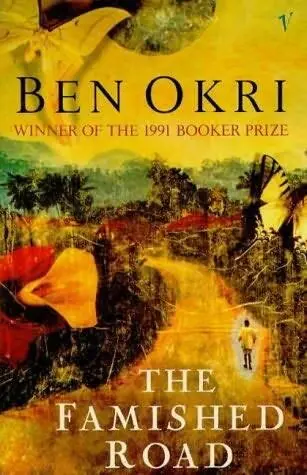
- Название:The Famished Road
- Автор:
- Жанр:
- Год:неизвестен
- ISBN:нет данных
- Рейтинг книги:5 / 5. Голосов: 1
-
Избранное:Добавить в избранное
- Отзывы:
-
Ваша оценка:
The Famished Road: краткое содержание, описание и аннотация
Предлагаем к чтению аннотацию, описание, краткое содержание или предисловие (зависит от того, что написал сам автор книги «The Famished Road»). Если вы не нашли необходимую информацию о книге — напишите в комментариях, мы постараемся отыскать её.
The Famished Road — читать онлайн бесплатно полную книгу (весь текст) целиком
Ниже представлен текст книги, разбитый по страницам. Система сохранения места последней прочитанной страницы, позволяет с удобством читать онлайн бесплатно книгу «The Famished Road», без необходимости каждый раз заново искать на чём Вы остановились. Поставьте закладку, и сможете в любой момент перейти на страницу, на которой закончили чтение.
Интервал:
Закладка:
I watched over the soup. I got very hot from the heat of the fire and the infernal sun. I got bored with the soup. It boiled away quite unremarkably. It no longer bubbled and seemed to have given up its demons. Occasionally an impatient customer turned up and rattled the door and I had to go and tell them that the bar hadn’t opened yet. They all seemed parched and their tongues hung out as they regarded me. After a while, when I felt sure the soup could take care of itself, I wandered down the paths to ease my own restlessness.
Steadily, over days and months, the paths had been widening. Bushes were being burnt, tall grasses cleared, tree stumps uprooted. The area was changing. Places that were thick with bush and low trees were now becoming open spaces of soft river-sand. In the distance I could hear the sounds of dredging, of engines, of road builders, forest clearers, and workmen chanting as they strained their muscles. Each day the area seemed different. Houses appeared where parts of the forest had been. Places where children used to play and hide were now full of sandpiles and rutted with house foundations. There were signboards on trees. The world was changing and I went on wanderingas if everythingwould always bethesame.
It took longer to get far into the forest. It seemed that the trees, feeling that they were losing the argument with human beings, had simply walked deeper into the forest. The deeper in I went, the more I noticed the difference. The grounds were covered in white sand. Piles of brick and cement were everywhere. Further on, by the paths, there were patches of dried excrement. The smell compounded the dryness of the air. I stood under a withering bamboo tree and a cat appeared in front of me. It looked up, and went into the forest. I followed it till we got to a clearing covered in leaves and rubber seeds. It was very cool and it smelt like the body of a great mother. Insects sizzled and birds piped all around. An antelope ran past with her little ones. I lay down and slept. I hadn’t been sleeping long when I heard my name ringing through the trees. I remembered Madame Koto and ran back to the bar. When I got to the backyard the fire was smouldering, the cauldron had been removed from the grate and was on the floor. Madame Koto came out of her room and I said:
‘I thought you were bathing.’
‘Bathing? How can I? Where have you been?’
‘Playing.’
‘Where?’
‘Alongthepaths. I thought you were..’
‘…bathing. Come!’
I followed her. She opened the back door of the bar. The light flooded in. Lizards scattered from the tables. A slick gecko inched up the wall. The bar was a mess. It was almost unrecognisable. There was vomit on the floor; benches were scattered and upturned; tables were in unusual positions; fish and chicken bones were all over the floor; spilt palm-wine stank, covered in flies; and columns of ants had formed along the walls. The place looked wrecked. It had the air of a ransacked and deserted marketplace.
‘What happened?’
‘Troublesome customers,’ was all she said.
We set to work clearingtheplace. I swept thefloor and brushed out alltheants. We moved the tables. She poured sand on the vomit and swept it out to the front. We rearranged the benches. I sprinkled water on the floor and swept again. The areas of the madman’s piss were still greenish. The cross-eyed spirits had gone. As we moved the tables Madame Koto farted. I was startled by the sudden voluminous noise. Her face showed no sign that I had noticed. She sprinkled disinfectant over the vomit-stains and then she opened the front door for air to come through. Then she went to have her bath.
The wind didn’t really come through the bar. It was stuffy and smelt of Madame Koto’s fart. I went outside for a while and when I came back in the smell had cleared. I sat in my corner while Madame Koto struggled with the gourds and calabashes outside. Some of her women friends came to see her on their way back from hawking.
‘My daughter’s husband!’ they said to me as they passed through the bar, with basins on their heads.
In the backyard they talked about politics, about the thugs of politicians and how businessmen and chiefs sprayed money at parties and celebrations. Madame Koto fed them and they prayed for her prosperity and they left, their voices low and sweet as they chatted away down the street.
As the evening wore on the bar stayed empty. No one came; I slept; and I was woken up by a lizard that had dropped from the wall. I got up and saw a man sitting at a table. He had a swollen eye and his lower lip was unnaturally thick. He spoke in a heavy,slowvoice,asifhefoundwordstoobulky torolloverhisbiglip.
‘Is that how you treat customers?’ he asked.
I called for Madame Koto. She came in and the man said:
‘Have my friends come yet?’
‘What friends?’
‘My friends.’
‘No one has come yet. You want some palm-wine?’
‘I will only drink when my friends arrive. They have all the money.’
‘I will serve you,’ said Madame Koto, ‘and when they come you can pay me.’
‘I will wait,’ insisted the man.
Madame Koto went out. The man sat perfectly still. Then he shut his good eye. His bloated eyestayedopen.Soonhewasasleep andbegantosnore.Ihadbeenlookingat him intently for a while when I became aware that the bar was filling up. I looked round and saw no one except the man. But the bar was full of drunken and argumentative voices, laughter, vitriolic abuses, and the unrestrained merriment of hard-drinkingmen. I went and told MadameKoto about it.
‘Rubbish!’ she said, following me.
When we got into the bar the voices had materialised and the place was quite full.
‘Plenty ofpeople,’shesaid,eyeingme.
I was surprised; but when I sat down my surprise turned to bewilderment. The people in the bar were stranger than any I had seen before. The group that sat round the man with the bloated eye looked alike. Their eyes were all swollen and their lips were big and bruised. At first I thought they were all boxers. Then I noticed that two of them had only one hand each and the original man had only three fingers. He wore rings on all the fingers. They talked loudly but their voices were disproportionately more powerful than the movements of their mouths.
Across from them sat two men, dressed identically in agbada of fish-printed material. They both wore skullcaps and very dark glasses. I was convinced that they were both blind; but they talked and gesticulated as though they had perfect sight. On another table there was a man who sat alone. He had no thumbs and his head, amazingly contorted like certain tubers of yam, was altogether bald. He wore a wristwatch that ticked loudly and when he yawned I saw that he had no teeth at all, in spiteof lookingquiteyoung.
There was a woman next to him, whose skin was more indigo than dark-brown. She kept adjustingher shoulders and did not smileor speak.
Madame Koto came round to serve them.
‘These are my friends,’ the original man with the bloated eye said.
‘Where do you all come from?’ Madame Koto asked.
‘Here. This country, this city. Here we live, here we die.’
Just as he finished speaking, two albino men came in. They were freckled, their eyesweregreen,andthey werequitebeautiful.Theireyeskeptshuttingandopening, wobblingfromsidetoside,asifthey couldn’tstandthelight.Therestofthecompany cheered them as they came in. They smiled and took their seats opposite the toothless youngman. ‘What do you want to drink?’ ‘Palm-wine, naturally, and your famous peppersoup,’ said the original man. Madame Koto went out to serve them. While she was out a very tall man and woman came in. Their legs were very long. The rest of their bodies were quite short. They had small heads and eyes that were so tiny that it was only when they came near me that I could perceive their pin-point brightness. They came over, stood perfectly straight for a moment, and then, like bizarre actors, they leant over to me, keeping their legs and top halves straight, and said, in voices that could only have come from children:
Читать дальшеИнтервал:
Закладка:
Похожие книги на «The Famished Road»
Представляем Вашему вниманию похожие книги на «The Famished Road» списком для выбора. Мы отобрали схожую по названию и смыслу литературу в надежде предоставить читателям больше вариантов отыскать новые, интересные, ещё непрочитанные произведения.







Обсуждение, отзывы о книге «The Famished Road» и просто собственные мнения читателей. Оставьте ваши комментарии, напишите, что Вы думаете о произведении, его смысле или главных героях. Укажите что конкретно понравилось, а что нет, и почему Вы так считаете.