A. Miller - The Faithful Couple
Здесь есть возможность читать онлайн «A. Miller - The Faithful Couple» весь текст электронной книги совершенно бесплатно (целиком полную версию без сокращений). В некоторых случаях можно слушать аудио, скачать через торрент в формате fb2 и присутствует краткое содержание. Год выпуска: 2015, ISBN: 2015, Издательство: Little, Brown UK, Жанр: Современная проза, на английском языке. Описание произведения, (предисловие) а так же отзывы посетителей доступны на портале библиотеки ЛибКат.
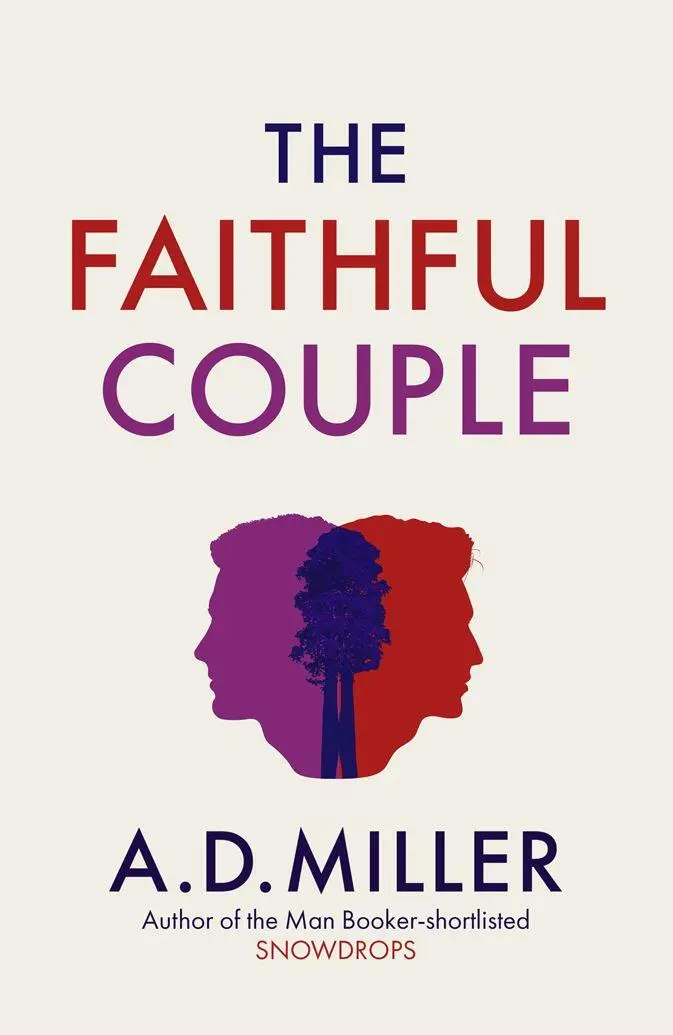
- Название:The Faithful Couple
- Автор:
- Издательство:Little, Brown UK
- Жанр:
- Год:2015
- ISBN:9781408705926
- Рейтинг книги:5 / 5. Голосов: 1
-
Избранное:Добавить в избранное
- Отзывы:
-
Ваша оценка:
The Faithful Couple: краткое содержание, описание и аннотация
Предлагаем к чтению аннотацию, описание, краткое содержание или предисловие (зависит от того, что написал сам автор книги «The Faithful Couple»). Если вы не нашли необходимую информацию о книге — напишите в комментариях, мы постараемся отыскать её.
The story of a friendship built on a shared guilt and a secret betrayal,
follows Neil and Adam across two decades, through girlfriends and wives, success and failure, children and bereavements, as power and remorse ebb between them. Their bifurcating fates offer an oblique portrait of London in the boom-to-bust era of the nineties and noughties, with its instant fortunes and thwarted idealism. California binds them together, until — when the full truth of what happened emerges, bringing recriminations and revenge — it threatens to drive them apart.
THE FAITHFUL COUPLE
The Faithful Couple — читать онлайн бесплатно полную книгу (весь текст) целиком
Ниже представлен текст книги, разбитый по страницам. Система сохранения места последней прочитанной страницы, позволяет с удобством читать онлайн бесплатно книгу «The Faithful Couple», без необходимости каждый раз заново искать на чём Вы остановились. Поставьте закладку, и сможете в любой момент перейти на страницу, на которой закончили чтение.
Интервал:
Закладка:
When, a year later, abstruse catastrophe beckoned — when everything the experts guaranteed would never happen, bankruptcies and bail-outs and nationalisations, happened the next day; when Adam’s securocrat acquaintances were whispering about plans to impose martial law if the cash machines ran dry — he thought of Neil anew. Dodgily spliced investments, runaway derivatives, Farid’s ramshackle property deals: Neil was implicated in everything that had caused the debacle. Neil and his money.
Adam called up the Rutland Partners website, hoping to find that the firm had gone to the wall, or at least was somersaulting towards the brickwork, a fate that would be adumbrated in some apologetic, lawyerly holding statement. Instead he read a screed of gobbledegook about how the fund had diversified its assets to minimise downside risk. He’s got away with it, Adam thought. He’s got away with it again. When his job at the consultancy faltered he blamed Neil for instigating the move. Neil had never understood the public-service ethos, never even tried. Perhaps he had known that Adam would come unstuck.
But he couldn’t keep it up, and before long he found himself regretting his anathemas. He had been the man with the luck, Adam knew. Neil wasn’t one of those congenital banking types whom he had met at university and sometimes ran into now, the type who wore those City-boy felt-collared overcoats, who had been destined for riches since their perfunctory conception in some stockbroker-belt bedroom. Adam had the drive, too, or so it had seemed in the beginning. Neil had been powered by a kind of indifference, which the world had rewarded as some men covet aloof women. He had done it all himself.
Later Adam would look again at the Rutland Partners website, but for clues to Neil’s progress rather than evidence of his downfall; now and again he would Google him. For the most part he was able to prevent himself searching for anyone else. He fought off the impulse to contact Rose until it almost abated.
Adam still thought of Neil as dead. But after a couple of years he was no longer the shameful dead, an executed traitor or bubonic corpse, but dead in the manner of a rash, lamented duellist. That was one of the dead’s advantages, Adam saw: you could choose which version of them to remember, as an obituarist was free to choose a photo from his subject’s youth. Neil dragging him out of the ocean in San Diego. Neil with Harry’s green shit on his coat.
As for the Claire thing, their nothing: his sense of scale had changed. His world was smaller, what was closest to him mattered most, and who, and so, in a way, they were quits. Rose was a contest and an idea, but Neil was his friend, had already been his friend that night in Yosemite. It made no difference that they had only known each other a few weeks. That wasn’t how you measured obligation. Adam already owed Neil that night, and he had defaulted. Joining him in the encirclement at the tent the next morning had been a bluff, Adam acknowledged to himself: he had asserted his innocence by exposing himself to judgement, self-interest and loyalty jumbled up.
If Neil were to be resurrected — if he were to get in touch — Adam might consider forgiving him. They would have to discuss it, he and Claire. But he would definitely consider it. That is, if Neil would consider it, too.
He wouldn’t, Adam was certain. They had left it too long. The job was his memento of Neil, a debt that at first had rankled but was now more poignant than galling. He wasn’t even sure whether Neil knew he had accepted it.
They stopped for an early dinner. Claire was still wearing her sunglasses, but he could tell that she was watching him, checking the temperature of his thoughts, while the children threw a ball for a stranger’s dog in the square. Adam smiled to indicate that he was with her. Against her half-hearted objections he bought them preposterous baseball caps with 3-D wild boars, the emblems of the region, lolling on the visors.
On the way home the four of them sang a round, Ruby struggling with her cues but laughing at herself with the rest of them, Adam watching her, almost surreptitiously, in the rearview mirror. These were their headline memories, Adam realised, the memories his children would one day share with lovers and spouses, the moments that would come back to them, arbitrarily, as adults, in a meeting or on a train, their equivalents of his boyhood’s fishpond and ice-cream catastrophes. The weight of that struck him afresh as he drove them back.
In bed he told Claire about the topless girl by the lake. She said, ‘My hero,’ and kissed him on the shoulder.
There was a pond behind the cottage, so pretty that, on the afternoon they arrived, Claire said the view belonged in a film, but overrun with lascivious frogs. That night Adam feared their croaking would keep him awake, but his wife put her arm around him and he fell asleep.
2011
With his back to the kitchen Dan couldn’t tell that Neil was watching him as he made the coffee. He was sitting at the bamboo bar, standing up, sitting down again, standing, scratching, apparently unsure how formal his visit was, how comfortable or uncomfortable he felt, to what extent he enjoyed the status of a brother and how far he came as a stranger.
As Neil approached with the tray Dan raised one buttock from his bar stool and let out a rolling fart. He looked around, saw Neil, and grinned, pretending the salutation had been intentional.
‘Old time’s sake,’ he said. Neil forced a smile.
Their accents had diverged with their lives. Both started from a clipped north London classlessness, but Neil’s voice had migrated moneywards, assimilating the rounded, self-indulgent vowels of his ritzier acquaintances. He was half-ashamed of his vocal suggestibility. Dan seemed to have more or less given up on consonants (‘ ’ol ’imes ’ake ’).
Neil put the tray on the bar and sat down.
‘What hospital is he in?’
‘Hampshire… You know, North Hampshire.’
‘Listen, ask the doctor where’s best for his… for what he’s got. Actually, tell me his name, could you? I’ll ask him, if that’s okay.’
‘All right, Neil, but…’
‘I’ll pay for it. Forget it, Dan. Don’t worry about it. What else did he say? The doc.’
‘He said — what was it again? — he said there was “grounds for optimism”, that’s what he called it, but that, you know, we had to be realistic.’
‘What the fuck does that mean?’
‘I don’t know, Neil. I don’t.’
Dan peered into his coffee but didn’t drink any. His skin seemed jaundiced; his eyes were Bassett-hound ringed; his teeth were so discoloured as to be indistinguishable from the gums, so that earlier, when Neil was letting him in, he had doubletaked to confirm that they were there. But Dan was still good-looking, Neil thought, in a dissolute, half-ruined way. Better looking than Neil. He used his left arm sparingly, most of the time letting it hang by his side. Building accident, he had said, winking, at once disguising and intending to advertise some more rakish explanation, though Neil couldn’t imagine what it might be.
When Dan told him, Neil had been furious beyond words. Probably his rage was unjust; the trouble was, Dan was the only sublunary party available for his blame. Except for Neil himself: Sam’s bruises and the breathlessness and his squirming.
‘Did he say — did the doctor say — if you had — if we had…’
‘He says in the — what do you call it? — the chronic — right — the chronic period, it’s hard to spot. Always is, he says, the symptoms are so, like, normal. Specially when it’s so slow. All right?’
Dan’s face reddened and his eyes popped, as if he were holding his breath, or straining to take a dump. After a few seconds his colour and features settled again. He opened his mouth to say something else but closed it without speaking. When it came down to it, Dan was Sam’s father, and he loved the boy after his fashion. He had his anger, too.
Читать дальшеИнтервал:
Закладка:
Похожие книги на «The Faithful Couple»
Представляем Вашему вниманию похожие книги на «The Faithful Couple» списком для выбора. Мы отобрали схожую по названию и смыслу литературу в надежде предоставить читателям больше вариантов отыскать новые, интересные, ещё непрочитанные произведения.



Обсуждение, отзывы о книге «The Faithful Couple» и просто собственные мнения читателей. Оставьте ваши комментарии, напишите, что Вы думаете о произведении, его смысле или главных героях. Укажите что конкретно понравилось, а что нет, и почему Вы так считаете.