Lauren Groff - Arcadia
Здесь есть возможность читать онлайн «Lauren Groff - Arcadia» весь текст электронной книги совершенно бесплатно (целиком полную версию без сокращений). В некоторых случаях можно слушать аудио, скачать через торрент в формате fb2 и присутствует краткое содержание. Год выпуска: 2012, Издательство: Hachette Books, Жанр: Современная проза, на английском языке. Описание произведения, (предисловие) а так же отзывы посетителей доступны на портале библиотеки ЛибКат.
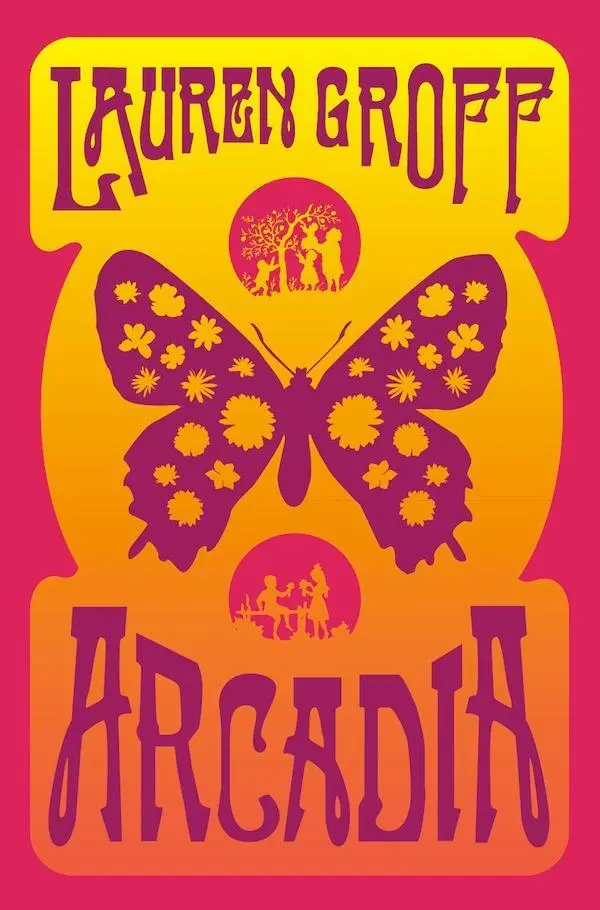
- Название:Arcadia
- Автор:
- Издательство:Hachette Books
- Жанр:
- Год:2012
- ISBN:нет данных
- Рейтинг книги:3 / 5. Голосов: 1
-
Избранное:Добавить в избранное
- Отзывы:
-
Ваша оценка:
Arcadia: краткое содержание, описание и аннотация
Предлагаем к чтению аннотацию, описание, краткое содержание или предисловие (зависит от того, что написал сам автор книги «Arcadia»). Если вы не нашли необходимую информацию о книге — напишите в комментариях, мы постараемся отыскать её.
Arcadia — читать онлайн бесплатно полную книгу (весь текст) целиком
Ниже представлен текст книги, разбитый по страницам. Система сохранения места последней прочитанной страницы, позволяет с удобством читать онлайн бесплатно книгу «Arcadia», без необходимости каждый раз заново искать на чём Вы остановились. Поставьте закладку, и сможете в любой момент перейти на страницу, на которой закончили чтение.
Интервал:
Закладка:
No, a boy cries. No, no, no!
Bit’s heart is wrenched. He stands, agitated, would take it all away if he could.
Sweetie cries out, Nonsense. She lifts the window. Look! There’re no fairy bodies here! They just put their wings down to rest and we woke up before they could put them on again and fly away. I bet they’re hiding somewhere in this room, hoping we don’t look for them too carefully or else we’ll see them.
She leans out the window, and there’s a touch of menace to her voice when she says, In fact, I bet if we all go to breakfast really fast, they’ll be gone by the time we get back.
A torrent of little bodies passes through the courtyard in nightgowns and pajamas, into the Eatery. When they’re gone, Sweetie says to the air, I’d say the fairies have fifteen minutes to do their business. Then she, too, goes in. Cole whispers, Aw, don’t listen to my mom, she’s lame. But there is a flush on his perfect skin, tooth marks in his lips. Even Dylan looks ill.
This is awful, Bit says, near tears.
Ike says, Come on, Bit, man, it’s like the whole point of the Sowers of Destruction, to be mean. The little kids are ripe peaches of disillusionment, ready to be plucked. He laughs, awkward, his Adam’s apple dancing in his throat. Bit has to force himself to see the Helle in Ike so that he doesn’t hate his friend. He is alone when he slips in and gathers up the wings in his hands. He puts them into his pockets, where they burn during breakfast, then runs out to bury them in a hole deep in the forest, saying the loveliest words he can find to make it all better again.
Even this, he knows, may not be enough. Childhood is such a delicate tissue; what they had done this morning could snag somewhere in the little ones, make a dull, small pain that will circle back again and again, and hurt them in small ways for the rest of their lives.
Late June and the world bursts with greenery. Abe is throned in his chair, the center of a circle of boys on the ground under the oak in the courtyard. The other kids and Ados are scattered across the grass: Kaptain Amerika reading Chaucer with the older girls, Marlene leading four-year-olds through German numbers, Peter and Theo conversing like sages in Hebrew. It is Bit’s second meeting of the History of Revolutions Tutorial. State Lessons are over for the summer, and the Tutorial was Bit’s idea so that he could see his father every day, but to his surprise, eight other boys signed up on the bulletin board in the Eatery and are listening intently as Abe talks. Today, the theme is Satan. The mind is its own place, Abe says, and in itself can make a Heav’n of Hell, a Hell of Heav’n. The apostate angel said that, Paradise Lost . The ur-rebel. Ike, what do you think?
Ike tries to answer, but his mind jitters off like a lizard when he thinks, and he is left with a handful of tail-thought. He says, Like, isn’t Satan just then building the big old palaces of Hades? Building his own place?
He is, Abe says. But that’s not what he means. Bit, go ahead.
Bit says, We make our own heavens and hells. He’s saying that things look bad but we can transform what they are by applying thought to our situations. When we are in hell, it’s our own fault. It seems like a kind of radical idea for the time Milton was writing because instead of putting faith in a God who predetermines everything, Satan is implying that we can be our own gods in a way. It’s privileging self-creation over being fated creatures who have no say in our destinies.
His heart pounds: he wants to follow his idea farther as it escapes through the grass, but Abe says, Good, good, and makes a motion with his fingers to slow Bit down for the others.
Cole says, face taut with confusion, Wait, but. Like, Satan says this and he’s bad? But we believe it, right? That people can create themselves. So what’s wrong with that?
Go on, Abe says.
For example, the Trippies, Cole says. I mean, we have to believe that they can make themselves better, or else we wouldn’t waste all the Minders’ time on them, right? And the whole idea of Arcadia. That civilization can be better if we just believe. Like the way Handy always says that we’re emanating light, and that light will touch the dark corners of the world and make them light, too. I mean, that George Eliot guy’s quote.
Go ahead, Abe says to Bit, eyes crinkling over his red beard.
Bit says, I have a belief of my own, and it comforts me. . That by desiring what is perfectly good, even when we don’t quite know what it is and can not do what we would, we are part of the divine power against evil — widening the skirts of light and making the struggle with darkness narrower. And Eliot was a girl, he says. Cole flushes, then lobs an acorn at Bit that nails him in the temple, and they laugh, friends again.
Great, Abe says, and Bit feels a burst of pride. Then he finds a handful of humility and covers it over.
Abe says, Both Satan and Eliot are backing up the same sort of idea, that desiring change is a powerful way of making change; that change unfolds from this desire. Harrison, tell us what you think about what Satan says, in the light of our everyday lives.
That we are doing good by trying to do good? says Harrison. That our intention is what matters?
Intention matters, says Abe. But if you listen closely to both quotes, it’s not the only thing. In Eliot and in Milton’s Paradise Lost, there’s the idea of struggle, the attempt to act in order to make your heaven come to fruition. So push your thinking. Let’s use Arcadia as a case study. Think about how things are these days. Think about what you most desire to do differently, what doesn’t make sense, how we should act on our good intentions in the way we’re not right now. We’re not in hell, but we’re getting there. And this is from someone who used to head up the Sanitation Crew in the middle of summer before I broke my neck. Believe me, I do know hell.
The boys laugh, but there is a new tension between them, and when the laugh dies, they are suddenly shy. The wind picks up among the oak branches and waggles spots of light all over them. Okay, says Harrison, at last. He is the oldest boy in the Ado Unit, used to speaking up. I guess one thing is that we’re all supposed to be equal, and yet Handy is still our leader, making commands and things. It just doesn’t square to me. Why do we need a leader and the Council of Nine? Shouldn’t we all just democratically make up our own rules?
Yeah, says Dylan. Plus, he never works like everyone else. It’s like he’s the head Trippie or something.
Hey, says Ike so softly that only Bit hears him. Abe smiles. He says, Down with the king!
Abe’s blasphemy takes a moment to set in. When it does, things go still. Kaptain Amerika’s head stops, mid-swivel, mid-Chaucer. Caro unbends mid-stand from her French lesson, a bird is caught in a net made of air.
Ike says, You mean, my dad is, like, getting in the way of democracy?
Time snaps back. Three stories above, Handy’s head comes poking from his bedroom window. His jowls hang; his beard forks; he is uplit yellow by the sun reflected off the hard dirt below. Abe sees the boys looking and peers upward, his lips parting in a smile.
I’ll be right down, Handy calls out, and withdraws his head.
Oh, goody, Abe says, looking at his ring of boys.
They wait. A sour wave rises in Bit’s gut. Handy lopes out of the Eatery with his banjo in his arms, twiddling a mindless little tune, and when he comes to their group, he seems relaxed. He leans up against the tree, towering over them all. He finishes his song and puts the banjo on the ground. Abraham Stone, he says, in a voice that almost seems admiring. Fomenting discord. So openly, too. Nobody ever said you weren’t ballsy.
Читать дальшеИнтервал:
Закладка:
Похожие книги на «Arcadia»
Представляем Вашему вниманию похожие книги на «Arcadia» списком для выбора. Мы отобрали схожую по названию и смыслу литературу в надежде предоставить читателям больше вариантов отыскать новые, интересные, ещё непрочитанные произведения.
![Andrea Höst - In Arcadia [Touchstone - Extras]](/books/56405/andrea-host-in-arcadia-touchstone-extras-thumb.webp)


Обсуждение, отзывы о книге «Arcadia» и просто собственные мнения читателей. Оставьте ваши комментарии, напишите, что Вы думаете о произведении, его смысле или главных героях. Укажите что конкретно понравилось, а что нет, и почему Вы так считаете.