Герман Мелвилл - Typee
Здесь есть возможность читать онлайн «Герман Мелвилл - Typee» весь текст электронной книги совершенно бесплатно (целиком полную версию без сокращений). В некоторых случаях можно слушать аудио, скачать через торрент в формате fb2 и присутствует краткое содержание. Год выпуска: 2014, Издательство: epubBooks Classics, Жанр: Классическая проза, на английском языке. Описание произведения, (предисловие) а так же отзывы посетителей доступны на портале библиотеки ЛибКат.
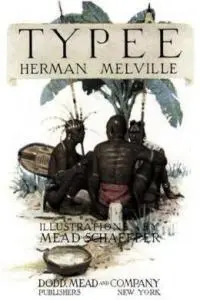
- Название:Typee
- Автор:
- Издательство:epubBooks Classics
- Жанр:
- Год:2014
- ISBN:нет данных
- Рейтинг книги:4 / 5. Голосов: 1
-
Избранное:Добавить в избранное
- Отзывы:
-
Ваша оценка:
Typee: краткое содержание, описание и аннотация
Предлагаем к чтению аннотацию, описание, краткое содержание или предисловие (зависит от того, что написал сам автор книги «Typee»). Если вы не нашли необходимую информацию о книге — напишите в комментариях, мы постараемся отыскать её.
Typee — читать онлайн бесплатно полную книгу (весь текст) целиком
Ниже представлен текст книги, разбитый по страницам. Система сохранения места последней прочитанной страницы, позволяет с удобством читать онлайн бесплатно книгу «Typee», без необходимости каждый раз заново искать на чём Вы остановились. Поставьте закладку, и сможете в любой момент перейти на страницу, на которой закончили чтение.
Интервал:
Закладка:
The green and precipitous elevations that stood ranged around the head of the vale where Marheyo’s habitation was situated, effectually precluded all hope of escape in that quarter, even if I could have stolen away from the thousand eyes of the savages.
But these reflections now seldom obtruded upon me; I gave myself up to the passing hour, and if ever disagreeable thoughts arose in my mind, I drove them away. When I looked around the verdant recess in which I was buried, and gazed up to the summits of the lofty eminence that hemmed me in, I was well disposed to think that I was in the “Happy Valley,” and that beyond those heights there was nought but a world of care and anxiety.
In this frame of mind, every object that presented itself to my notice struck me in a new light, and the opportunities I now enjoyed of observing the manners of the natives, tended to strengthen my favourable impressions. One peculiarity that fixed my admiration was the perpetual hilarity reigning through the whole extent of the vale. There seemed to be no cares, griefs, troubles, or vexations in all Typee. The hours tripped along as gaily as the laughing couples down a country dance.
There were none of those thousand sources of irritation that the ingenuity of civilized man has created to mar his own felicity. There were no foreclosures of mortgages, no protested notes, no bills payable, no debts of honour, in Typee; no unreasonable tailors and shoemakers, perversely bent on being paid; no duns of any description; no assault and battery attorneys, to foment discord, backing their clients up to a quarrel, and then knocking their heads together; no poor relations everlastingly occupying the spare bed–chamber, and diminishing the elbow–room at the family table; no destitute widows with their children starving on the cold charities of the world; no beggars; no debtor’s prisons; no proud and hard–hearted nabobs in Typee; or, to sum up all in one word—no Money! That “root of all evil” was not to be found in the valley.
In this secluded abode of happiness there were no cross old women, no cruel step–dames, no withered spinsters, no love–sick maidens, no sour old bachelors, no inattentive husbands, no melancholy young men, no blubbering youngsters, and no squalling brats. All was mirth, fun, and high good humour. Blue devils, hypochondria, and doleful dumps went and hid themselves among the nooks and crannies of the rocks.
Here you would see a parcel of children frolicking together the live–long day, and no quarrelling, no contention among them. The same number in our own land could not have played together for the space of an hour without biting or scratching one another. There you might have seen a throng of young females, not filled with envyings of each other’s charms, nor displaying the ridiculous affectations of gentility, nor yet moving in whalebone corsets, like so many automatons, but free, inartificially happy and unconstrained.
There were some spots in that sunny vale where they would frequently resort to decorate themselves with garlands of flowers. To have seen them reclining beneath the shadows of one of the beautiful groves, the ground about them strewn with freshly gathered buds and blossoms, employed in weaving chaplets and necklaces, one would have thought that all the train of Flora had gathered together to keep a festival in honour of their mistress.
With the young men there seemed almost always some matter of diversion or business on hand, that afforded a constant variety of enjoyment. But whether fishing, or carving canoes, or polishing their ornaments, never was there exhibited the least sign of strife or contention among them.
As for the warriors, they maintained a tranquil dignity of demeanour, journeying occasionally from house to house, where they were always sure to be received with the attention bestowed upon distinguished guests. The old men, of whom there were many in the vale, seldom stirred from their mats, where they would recline for hours and hours, smoking and talking to one another with all the garrulity of age.
But the continual happiness which, so far as I was able to judge, appeared to prevail in the valley, sprung principally from that all–pervading sensation which Rousseau has told us he at one time experienced, the mere buoyant sense of a healthful physical existence. And, indeed, in this particular the Typees had ample reason to felicitate themselves, for sickness was almost unknown. During the whole period of my stay, I saw but one invalid among them; and on their smooth clear skins you observed no blemish or mark of disease.
The general repose, however, upon which I have just been descanting, was broken in upon about this time by an event, which proved that the islanders were not entirely exempt from those occurrences which disturb the quiet of more civilized communities.
Having now been a considerable time in the valley, I began to feel surprised that the violent hostility subsisting between its inhabitants and those of the adjoining bay of Happar, should never have manifested itself in any warlike encounter. Although the valiant Typees would often, by gesticulations, declare their undying hatred against their enemies, and the disgust they felt at their cannibal propensities; although they dilated upon the manifold injuries they had received at their hands, yet, with a forbearance truly commendable, they appeared patiently to sit down under their grievances, and to refrain from making any reprisals. The Happars, entrenched behind their mountains, and never even showing themselves on their summits, did not appear to me to furnish adequate cause for that excess of animosity evinced towards them by the heroic tenants of our vale, and I was inclined to believe that the deeds of blood attributed to them had been greatly exaggerated.
On the other hand, as the clamours of war had not up to this period disturbed the serenity of the tribe, I began to distrust the truth of those reports which ascribed so fierce and belligerent a character to the Typee nation. Surely, thought I, all these terrible stories I have heard about the inveteracy with which they carried on the feud, their deadly intensity of hatred, and the diabolical malice with which they glutted their revenge upon the inanimate forms of the slain, are nothing more than fables, and I must confess that I experienced something like a sense of regret at having my hideous anticipations thus disappointed. I felt in some sort like a ’prentice boy who, going to the play in the expectation of being delighted with a cut–and–thrust tragedy, is almost moved to tears of disappointment at the exhibition of a genteel comedy.
I could not avoid thinking that I had fallen in with a greatly traduced people, and I moralized not a little upon the disadvantage of having a bad name, which in this instance had given a tribe of savages, who were as pacific as so many lambkins, the reputation of a confederacy of giant–killers.
But subsequent events proved that I had been a little too premature in coming to this conclusion. One day, about noon, happening to be at the Ti, I had lain down on the mats with several of the chiefs, and had gradually sunk into a most luxurious siesta, when I was awakened by a tremendous outcry, and starting up, beheld the natives, seizing their spears and hurrying out, while the most puissant of the chiefs, grasping the six muskets which were ranged against the bamboos, followed after, and soon disappeared in the groves. These movements were accompanied by wild shouts, in which “Happar, Happar,” greatly predominated. The islanders were now to be seen running past the Ti, and striking across the valley to the Happar side. Presently I heard the sharp report of a musket from the adjoining hills, and then a burst of voices in the same direction. At this the women, who had congregated in the groves, set up the most violent clamours, as they invariably do here as elsewhere on every occasion of excitement and alarm, with a view of tranquillizing their own minds and disturbing other people. On this particular occasion they made such an outrageous noise, and continued it with such perseverance, that for awhile, had entire volleys of musketry been fired off in the neighbouring mountains, I should not have been able to have heard them.
Читать дальшеИнтервал:
Закладка:
Похожие книги на «Typee»
Представляем Вашему вниманию похожие книги на «Typee» списком для выбора. Мы отобрали схожую по названию и смыслу литературу в надежде предоставить читателям больше вариантов отыскать новые, интересные, ещё непрочитанные произведения.

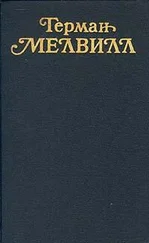
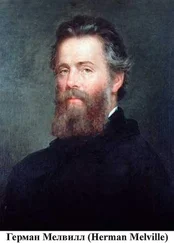


Обсуждение, отзывы о книге «Typee» и просто собственные мнения читателей. Оставьте ваши комментарии, напишите, что Вы думаете о произведении, его смысле или главных героях. Укажите что конкретно понравилось, а что нет, и почему Вы так считаете.