Джозеф Киплинг - Indian Tales
Здесь есть возможность читать онлайн «Джозеф Киплинг - Indian Tales» весь текст электронной книги совершенно бесплатно (целиком полную версию без сокращений). В некоторых случаях можно слушать аудио, скачать через торрент в формате fb2 и присутствует краткое содержание. Год выпуска: 2014, Издательство: epubBooks Classics, Жанр: Классическая проза, на английском языке. Описание произведения, (предисловие) а так же отзывы посетителей доступны на портале библиотеки ЛибКат.
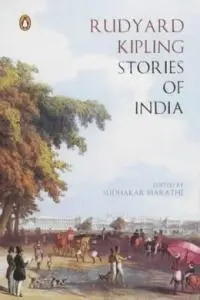
- Название:Indian Tales
- Автор:
- Издательство:epubBooks Classics
- Жанр:
- Год:2014
- ISBN:нет данных
- Рейтинг книги:5 / 5. Голосов: 1
-
Избранное:Добавить в избранное
- Отзывы:
-
Ваша оценка:
Indian Tales: краткое содержание, описание и аннотация
Предлагаем к чтению аннотацию, описание, краткое содержание или предисловие (зависит от того, что написал сам автор книги «Indian Tales»). Если вы не нашли необходимую информацию о книге — напишите в комментариях, мы постараемся отыскать её.
Indian Tales — читать онлайн бесплатно полную книгу (весь текст) целиком
Ниже представлен текст книги, разбитый по страницам. Система сохранения места последней прочитанной страницы, позволяет с удобством читать онлайн бесплатно книгу «Indian Tales», без необходимости каждый раз заново искать на чём Вы остановились. Поставьте закладку, и сможете в любой момент перейти на страницу, на которой закончили чтение.
Интервал:
Закладка:
"They run! The white men run! Colonel Sahib, may we also do a little running?" murmured Runbir Thappa, the Senior Jemadar.
But the Colonel would have none of it. "Let the beggars be cut up a little," said he wrathfully. "'Serves 'em right They'll be prodded into facing round in a minute." He looked through his field–glasses, and caught the glint of an officer's sword.
"Beating 'em with the flat—damned conscripts! How the Ghazis are walking into them!" said he.
The Fore and Aft, heading back, bore with them their officers. The narrowness of the pass forced the mob into solid formation, and the rear–rank delivered some sort of a wavering volley. The Ghazis drew off, for they did not know what reserves the gorge might hide. Moreover, it was never wise to chase white men too far. They returned as wolves return to cover, satisfied with the slaughter that they had done, and only stopping to slash at the wounded on the ground. A quarter of a mile had the Fore and Aft retreated, and now, jammed in the pass, was quivering with pain, shaken and demoralized with fear, while the officers, maddened beyond control, smote the men with the hilts and the flats of their swords.
"Get back! Get back, you cowards—you women! Right about face—column of companies, form—you hounds!" shouted the Colonel, and the subalterns swore aloud. But the Regiment wanted to go—to go anywhere out of the range of those merciless knives. It swayed to and fro irresolutely with shouts and outcries, while from the right the Gurkhas dropped volley after volley of cripple–stopper Snider bullets at long range into the mob of the Ghazis returning to their own troops.
The Fore and Aft Band, though protected from direct fire by the rocky knoll under which it had sat down, fled at the first rush. Jakin and Lew would have fled also, but their short legs left them fifty yards in the rear, and by the time the Band had mixed with the regiment, they were painfully aware that they would have to close in alone and unsupported.
"Get back to that rock," gasped Jakin. "They won't see us there."
And they returned to the scattered instruments of the Band; their hearts nearly bursting their ribs.
"Here's a nice show for us ," said Jakin, throwing himself full length on the ground. "A bloomin' fine show for British Infantry! Oh, the devils! They've gone an' left us alone here! Wot 'll we do?"
Lew took possession of a cast–off water bottle, which naturally was full of canteen rum, and drank till he coughed again.
"Drink," said he, shortly. "They'll come back in a minute or two—you see."
Jakin drank, but there was no sign of the regiment's return. They could hear a dull clamor from the head of the valley of retreat, and saw the Ghazis slink back, quickening their pace as the Gurkhas fired at them.
"We're all that's left of the Band, an' we'll be cut up as sure as death," said Jakin.
"I'll die game, then," said Lew, thickly, fumbling with his tiny drummer's sword. The drink was working on his brain as it was on Jakin's.
"'Old on! I know something better than fightin'," said Jakin, stung by the splendor of a sudden thought due chiefly to rum. "Tip our bloomin' cowards yonder the word to come back. The Paythan beggars are well away. Come on, Lew! We won't get hurt. Take the fife an' give me the drum. The Old Step for all your bloomin' guts are worth! There's a few of our men coming back now. Stand up, ye drunken little defaulter. By your right—quick march!"
He slipped the drum–sling over his shoulder, thrust the fife into Lew's hand, and the two boys marched out of the cover of the rock into the open, making a hideous hash of the first bars of the "British Grenadiers."
As Lew had said, a few of the Fore and Aft were coming back sullenly and shamefacedly under the stimulus of blows and abuse; their red coats shone at the head of the valley, and behind them were wavering bayonets. But between this shattered line and the enemy, who with Afghan suspicion feared that the hasty retreat meant an ambush, and had not moved therefore, lay half a mile of a level ground dotted only by the wounded.
The tune settled into full swing and the boys kept shoulder to shoulder, Jakin banging the drum as one possessed. The one fife made a thin and pitiful squeaking, but the tune carried far, even to the Gurkhas.
"Come on, you dogs!" muttered Jakin, to himself, "Are we to play forhever?" Lew was staring straight in front of him and marching more stiffly than ever he had done on parade.
And in bitter mockery of the distant mob, the old tune of the Old Line shrilled and rattled:
Some talk of Alexander,
And some of Hercules;
Of Hector and Lysander,
And such great names as these!
There was a far–off clapping of hands from the Gurkhas, and a roar from the Highlanders in the distance, but never a shot was fired by British or Afghan. The two little red dots moved forward in the open parallel to the enemy's front.
But of all the world's great heroes
There's none that can compare,
With a tow–row–row–row–row–row
To the British Grenadier!
The men of the Fore and Aft were gathering thick at the entrance into the plain. The Brigadier on the heights far above was speechless with rage. Still no movement from the enemy. The day stayed to watch the children.
Jakin halted and beat the long roll of the Assembly, while the fife squealed despairingly.
"Right about face! Hold up, Lew, you're drunk," said Jakin. They wheeled and marched back:
Those heroes of antiquity
Ne'er saw a cannon–ball,
Nor knew the force o' powder,
"Here they come!" said Jakin. "Go on, Lew:"
To scare their foes withal!
The Fore and Aft were pouring out of the valley. What officers had said to men in that time of shame and humiliation will never be known; for neither officers nor men speak of it now.
"They are coming anew!" shouted a priest among the Afghans. "Do not kill the boys! Take them alive, and they shall be of our faith."
But the first volley had been fired, and Lew dropped on his face. Jakin stood for a minute, spun round and collapsed, as the Fore and Aft came forward, the maledictions of their officers in their ears, and in their hearts the shame of open shame.
Half the men had seen the drummers die, and they made no sign. They did not even shout. They doubled out straight across the plain in open order, and they did not fire.
"This," said the Colonel of Gurkhas, softly, "is the real attack, as it ought to have been delivered. Come on, my children."
"Ulu–lu–lu–lu!" squealed the Gurkhas, and came down with a joyful clicking of kukris —those vicious Gurkha knives.
On the right there was no rush. The Highlanders, cannily commending their souls to God (for it matters as much to a dead man whether he has been shot in a Border scuffle or at Waterloo) opened out and fired according to their custom, that is to say without heat and without intervals, while the screw–guns, having disposed of the impertinent mud fort aforementioned, dropped shell after shell into the clusters round the flickering green standards on the heights.
"Charrging is an unfortunate necessity," murmured the Color–Sergeant of the right company of the Highlanders.
"It makes the men sweer so, but I am thinkin' that it will come to a charrge if these black devils stand much longer. Stewarrt, man, you're firing into the eye of the sun, and he'll not take any harm for Government ammuneetion. A foot lower and a great deal slower! What are the English doing? They're very quiet there in the centre. Running again?"
The English were not running. They were hacking and hewing and stabbing, for though one white man is seldom physically a match for an Afghan in a sheepskin or wadded coat, yet, through the pressure of many white men behind, and a certain thirst for revenge in his heart, he becomes capable of doing much with both ends of his rifle. The Fore and Aft held their fire till one bullet could drive through five or six men, and the front of the Afghan force gave on the volley. They then selected their men, and slew them with deep gasps and short hacking coughs, and groanings of leather belts against strained bodies, and realized for the first time that an Afghan attacked is far less formidable than an Afghan attacking; which fact old soldiers might have told them.
Читать дальшеИнтервал:
Закладка:
Похожие книги на «Indian Tales»
Представляем Вашему вниманию похожие книги на «Indian Tales» списком для выбора. Мы отобрали схожую по названию и смыслу литературу в надежде предоставить читателям больше вариантов отыскать новые, интересные, ещё непрочитанные произведения.







Обсуждение, отзывы о книге «Indian Tales» и просто собственные мнения читателей. Оставьте ваши комментарии, напишите, что Вы думаете о произведении, его смысле или главных героях. Укажите что конкретно понравилось, а что нет, и почему Вы так считаете.