Margaret Mitchell - Gone with the Wind
Здесь есть возможность читать онлайн «Margaret Mitchell - Gone with the Wind» весь текст электронной книги совершенно бесплатно (целиком полную версию без сокращений). В некоторых случаях можно слушать аудио, скачать через торрент в формате fb2 и присутствует краткое содержание. Жанр: Классическая проза, на английском языке. Описание произведения, (предисловие) а так же отзывы посетителей доступны на портале библиотеки ЛибКат.
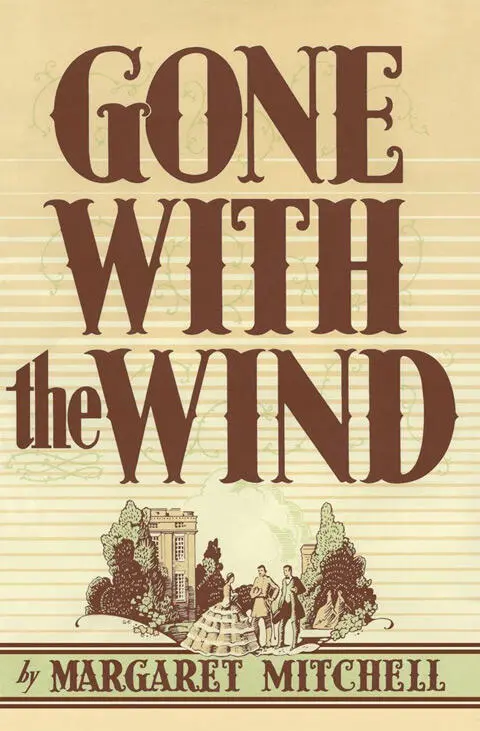
- Название:Gone with the Wind
- Автор:
- Жанр:
- Год:неизвестен
- ISBN:нет данных
- Рейтинг книги:4.17 / 5. Голосов: 6
-
Избранное:Добавить в избранное
- Отзывы:
-
Ваша оценка:
Gone with the Wind: краткое содержание, описание и аннотация
Предлагаем к чтению аннотацию, описание, краткое содержание или предисловие (зависит от того, что написал сам автор книги «Gone with the Wind»). Если вы не нашли необходимую информацию о книге — напишите в комментариях, мы постараемся отыскать её.
Gone with the Wind — читать онлайн бесплатно полную книгу (весь текст) целиком
Ниже представлен текст книги, разбитый по страницам. Система сохранения места последней прочитанной страницы, позволяет с удобством читать онлайн бесплатно книгу «Gone with the Wind», без необходимости каждый раз заново искать на чём Вы остановились. Поставьте закладку, и сможете в любой момент перейти на страницу, на которой закончили чтение.
Интервал:
Закладка:
Everything in their old world had changed but the old forms. The old usages went on, must go on, for the forms were all that were left to them. They were holding tightly to the things they knew best and loved best in the old days, the leisured manners, the courtesy, the pleasant casualness in human contacts and, most of all, the protecting attitude of the men toward their women. True to the tradition in which they had been reared, the men were courteous and tender and they almost succeeded in creating an atmosphere of sheltering their women from all that was harsh and unfit for feminine eyes. That, thought Scarlett, was the height of absurdity, for there was little, now, which even the most cloistered women had not seen and known in the last five years. They had nursed the wounded, closed dying eyes, suffered war and fire and devastation, known terror and flight and starvation.
But, no matter what sights they had seen, what menial tasks they had done and would have to do, they remained ladies and gentlemen, royalty in exile—bitter, aloof, incurious, kind to one another, diamond hard, as bright and brittle as the crystals of the broken chandelier over their heads. The old days had gone but these people would go their ways as if the old days still existed, charming, leisurely, determined not to rush and scramble for pennies as the Yankees did, determined to part with none of the old ways.
Scarlett knew that she, too, was greatly changed. Otherwise she could not have done the things she had done since she was last in Atlanta; otherwise she would not now be contemplating doing what she desperately hoped to do. But there was a difference in their hardness and hers and just what the difference was, she could not, for the moment, tell. Perhaps it was that there was nothing she would not do, and there were so many things these people would rather die than do. Perhaps it was that they were without hope but still smiling at life, bowing gracefully and passing it by. And this Scarlett could not do.
She could not ignore life. She had to live it and it was too brutal, too hostile, for her even to try to gloss over its harshness with a smile. Of the sweetness and courage and unyielding pride of her friends, Scarlett saw nothing. She saw only a silly stiff-neckedness which observed facts but smiled and refused to look them in the face.
As she stared at the dancers, flushed from the reel, she wondered if things drove them as she was driven, dead lovers, maimed husbands, children who were hungry, acres slipping away, beloved roofs that sheltered strangers. But, of course, they were driven! She knew their circumstances only a little less thoroughly than she knew her own. Their losses had been her losses, their privations her privations, their problems her same problems. Yet they had reacted differently to them. The faces she was seeing in the room were not faces; they were masks, excellent masks which would never drop.
But if they were suffering as acutely from brutal circumstances as she was—and they were—how could they maintain this air of gaiety and lightness of heart? Why, indeed, should they even try to do it? They were beyond her comprehension and vaguely irritating. She couldn’t be like them. She couldn’t survey the wreck of the world with an air of casual unconcern. She was as hunted as a fox, running with a bursting heart, trying to reach a burrow before the hounds caught up.
Suddenly she hated them all because they were different from her, because they carried their losses with an air that she could never attain, would never wish to attain. She hated them, these smiling, light-footed strangers, these proud fools who took pride in something they had lost, seeming to be proud that they had lost it. The women bore themselves like ladies and she knew they were ladies, though menial tasks were their daily lot and they didn’t know where their next dress was coming from. Ladies all! But she could not feel herself a lady, for all her velvet dress and scented hair, for all the pride of birth that stood behind her and the pride of wealth that had once been hers. Harsh contact with the red earth of Tara had stripped gentility from her and she knew she would never feel like a lady again until her table was weighted with silver and crystal and smoking with rich food, until her own horses and carriages stood in her stables, until black hands and not white took the cotton from Tara.
“Ah!” she thought angrily, sucking in her breath. “That’s the difference! Even though they’re poor, they still feel like ladies and I don’t. The silly fools don’t seem to realize that you can’t be a lady without money!”
Even in this flash of revelation, she realized vaguely that, foolish though they seemed, theirs was the right attitude. Ellen would have thought so. This disturbed her. She knew she should feel as these people felt, but she could not. She knew she should believe devoutly, as they did, that a born lady remained a lady, even if reduced to poverty, but she could not make herself believe it now.
All her life she had heard sneers hurled at the Yankees because their pretensions to gentility were based on wealth, not breeding. But at this moment, heresy though it was, she could not help thinking the Yankees were right on this one matter, even if wrong in all others. It took money to be a lady. She knew Ellen would have fainted had she ever heard such words from her daughter. No depth of poverty could ever have made Ellen feel ashamed. Ashamed! Yes, that was how Scarlett felt. Ashamed that she was poor and reduced to galling shifts and penury and work that negroes should do.
She shrugged in irritation. Perhaps these people were right and she was wrong but, just the same, these proud fools weren’t looking forward as she was doing, straining every nerve, risking even honor and good name to get back what they had lost. It was beneath the dignity of any of them to indulge in a scramble for money. The times were rude and hard. They called for rude and hard struggle if one was to conquer them. Scarlett knew that family tradition would forcibly restrain many of these people from such a struggle—with the making of money admittedly its aim. They all thought that obvious money-making and even talk of money were vulgar in the extreme. Of course, there were exceptions. Mrs. Merriwether and her baking and Rene driving the pie wagon. And Hugh Elsing cutting and peddling firewood and Tommy contracting. And Frank having the gumption to start a store. But what of the rank and file of them? The planters would scratch a few acres and live in poverty. The lawyers and doctors would go back to their professions and wait for clients who might never come. And the rest, those who had lived in leisure on their incomes? What would happen to them?
But she wasn’t going to be poor all her life. She wasn’t going to sit down and patiently wait for a miracle to help her. She was going to rush into life and wrest from it what she could. Her father had started as a poor immigrant boy and had won the broad acres of Tara. What he had done, his daughter could do. She wasn’t like these people who had gambled everything on a Cause that was gone and were content to be proud of having lost that Cause, because it was worth any sacrifice. They drew their courage from the past. She was drawing hers from the future. Frank Kennedy, at present, was her future. At least, he had the store and he had cash money. And if she could only marry him and get her hands on that money, she could make ends meet at Tara for another year. And after that—Frank must buy the sawmill. She could see for herself how quickly the town was rebuilding and anyone who could establish a lumber business now, when there was so little competition, would have a gold mine.
There came to her, from the recesses of her mind, words Rhett had spoken in the early years of the war about the money he made in the blockade. She had not taken the trouble to understand them then, but now they seemed perfectly clear and she wondered if it had been only her youth or plain stupidity which had kept her from appreciating them.
Читать дальшеИнтервал:
Закладка:
Похожие книги на «Gone with the Wind»
Представляем Вашему вниманию похожие книги на «Gone with the Wind» списком для выбора. Мы отобрали схожую по названию и смыслу литературу в надежде предоставить читателям больше вариантов отыскать новые, интересные, ещё непрочитанные произведения.









Обсуждение, отзывы о книге «Gone with the Wind» и просто собственные мнения читателей. Оставьте ваши комментарии, напишите, что Вы думаете о произведении, его смысле или главных героях. Укажите что конкретно понравилось, а что нет, и почему Вы так считаете.