Diane Chamberlain - Before the Storm
Здесь есть возможность читать онлайн «Diane Chamberlain - Before the Storm» — ознакомительный отрывок электронной книги совершенно бесплатно, а после прочтения отрывка купить полную версию. В некоторых случаях можно слушать аудио, скачать через торрент в формате fb2 и присутствует краткое содержание. Жанр: unrecognised, на английском языке. Описание произведения, (предисловие) а так же отзывы посетителей доступны на портале библиотеки ЛибКат.
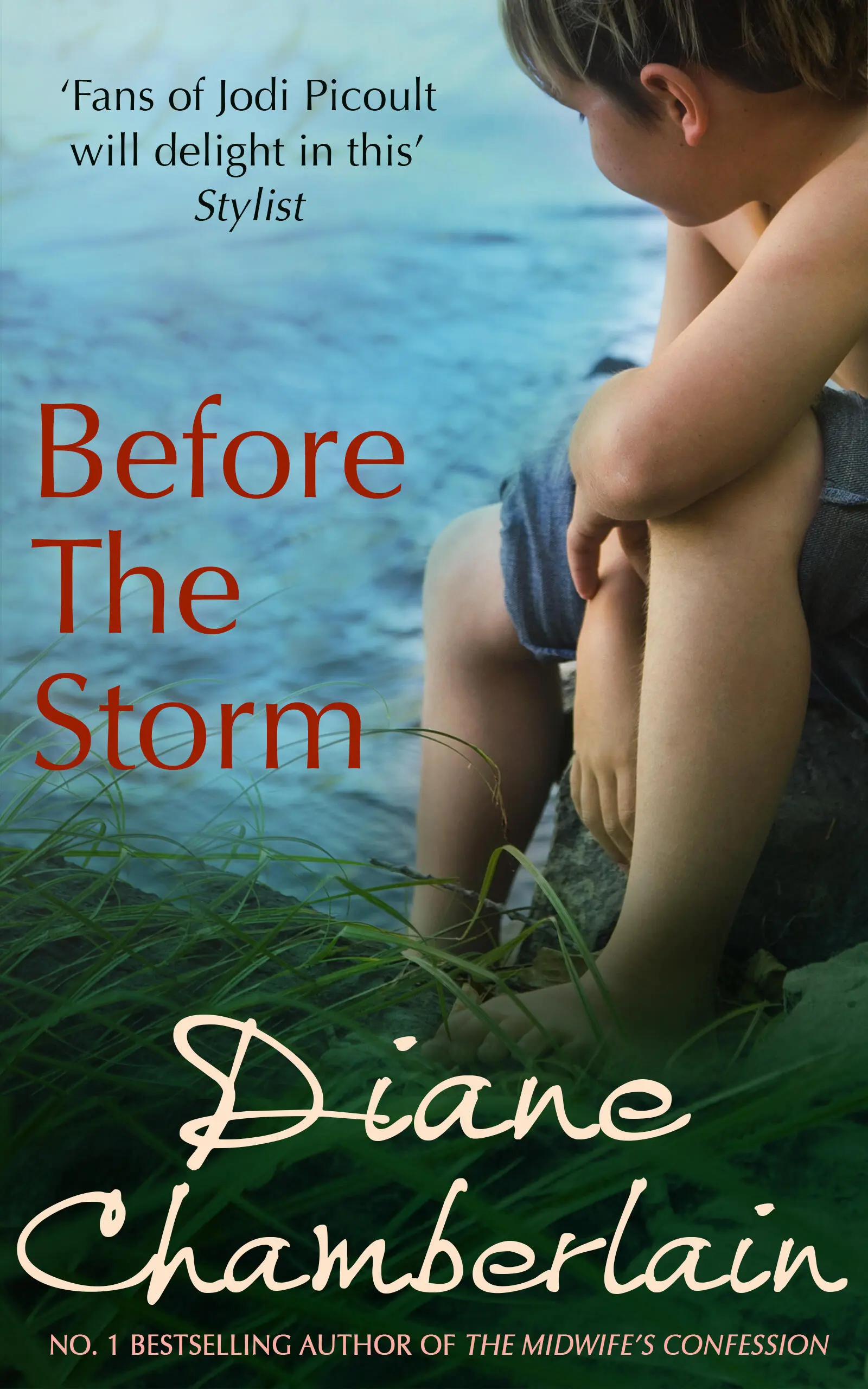
- Название:Before the Storm
- Автор:
- Жанр:
- Год:неизвестен
- ISBN:нет данных
- Рейтинг книги:4 / 5. Голосов: 1
-
Избранное:Добавить в избранное
- Отзывы:
-
Ваша оценка:
Before the Storm: краткое содержание, описание и аннотация
Предлагаем к чтению аннотацию, описание, краткое содержание или предисловие (зависит от того, что написал сам автор книги «Before the Storm»). Если вы не нашли необходимую информацию о книге — напишите в комментариях, мы постараемся отыскать её.
Before the Storm — читать онлайн ознакомительный отрывок
Ниже представлен текст книги, разбитый по страницам. Система сохранения места последней прочитанной страницы, позволяет с удобством читать онлайн бесплатно книгу «Before the Storm», без необходимости каждый раз заново искать на чём Вы остановились. Поставьте закладку, и сможете в любой момент перейти на страницу, на которой закончили чтение.
Интервал:
Закладка:
He sipped his coffee, then nudged my untouched mug an inch closer to me. “Have a major yet?” he asked.
“Nursing.” My mother had been a nurse. I wanted to follow in her footsteps, even though she would never know it. “What about you?” I opened a packet of sugar and stirred it into my coffee. “Are you a Hells Angel?”
“Hell, no!” He laughed. “I’m a carpenter, although I did graduate from UNC a few years ago with a completely worthless degree in Religious Studies.”
“Why is it worthless?” I asked, though I probably should have changed the subject. I hoped he wasn’t going to try to save me, preaching the way some religious people did. I was beholden to him and would have had to listen, at least for a while.
“Well, I thought I’d go to seminary,” he said. “Become a minister. But the more I studied theology, the less I liked the idea of being tied to one religion like it’s the only way. So I’m still playing with what I want to be when I grow up.” He reached toward the seat next to him, his hand diving into the pocket of his leather jacket and coming out with a pen and his insurance card. On his biceps, I saw a tattooed banner, the word empathy written inside it. As sexually excited as I’d felt five minutes ago, now I felt his fingertips touch my heart, hold it gently in his hand.
“Listen,” he said, his eyes on the card. “Your car runs okay, right? It’s mostly cosmetic?”
I nodded.
“Don’t go through your insurance company, then. It’ll just cost you in the long run. Get an estimate and I’ll take care of it for you.”
“You can’t do that!” I said. “It was my fault.”
“It was an easy mistake to make.”
“I was careless.” I stared at him. “And I don’t understand why you’re not angry about it. I almost killed you.”
“Oh, I was angry at first. I said lots of cuss words while I was flying through the air.” He smiled. “Anger’s poison, though. I don’t want it in me. When I changed the focus from how I was feeling to how you were feeling, it went away.”
“The tattoo…” I pointed to his arm.
“I put it there to remind me,” he said. “It’s not always that easy to remember.”
He turned the insurance card over and clicked the pen.
“I don’t even know your name,” he said.
“Laurel Patrick.”
“Nice name.” He wrote it down, then reached across the table to shake my hand. “I’m Jamie Lockwood.”
We started going out together, to events on campus or the movies and once, on a picnic. I felt young with him, but never patronized. I was drawn to his kindness and the warmth of his eyes. He told me that he was initially attracted to my looks, proving that he was not a completely atypical guy after all.
“You were so pretty when you got out of your car that day,” he said. “Your cheeks were red and your little pointed chin trembled and your long black hair was kind of messy and sexy.” He coiled a lock of my stick-straight hair around his finger. “I thought the accident must have been fate.”
Later, he said, it was my sweetness that attracted him. My innocence.
We kissed often during the first couple of weeks we saw one another, but nothing more than that. I experienced my first ever orgasm with him, even though he was not touching me at the time. We were on his bike and he shifted into a gear that suddenly lit a fire between my legs. I barely knew what was happening. It was startling, quick and stunning. I tightened my arms around him as the spasms coursed through my body, and he patted my hands with one of his, as though he thought I might be afraid of how fast we were going. It would be a while before I told him that I would always think of his bike as my first lover.
We talked about our families. I’d lived in North Carolina until I was twelve, when my parents died. Then I went to Ohio to live with my social-climbing aunt and uncle who were ill-prepared to take on a child of any sort, much less a griefstricken preadolescent. There’d been a “Southerners are dumb” sort of prejudice among my classmates and a couple of my teachers. I fed right into that prejudice in the beginning, unable to focus on my studies and backsliding in every subject. I missed my parents and cried in bed every night until I figured out how to keep from thinking about them as I struggled to fall asleep: I’d count backward from one thousand, picturing the numbers on a hillside, like the Hollywood sign. It worked. I started sleeping better, which led to studying better. My teachers had to revise their “dumb Southerner” assessment of me as my grades picked up. Even my aunt and uncle seemed surprised. When it came time to apply to colleges, though, I picked all Southern schools, hungry to return to my roots.
Jamie was struck by the loss of my parents.
“Both your parents died when you were twelve?” he asked, incredulous. “At the same time?”
“Yes, but I don’t think about it much.”
“Maybe you should think about it,” he said.
“It’s all in the past.” I’d healed from that loss and saw no point in revisiting it.
“Things like that can come back to bite you later,” he said. “Were they in an accident?”
“You’re awfully pushy.” I laughed, but he didn’t crack a smile.
“Seriously,” he said.
I sighed then and told him about the fire on the cruise ship that killed fifty-two people, my parents included.
“Fire on a cruise ship.” He shook his head. “Rock and a hard place.”
“Some people jumped.”
“Your parents?”
“No. I wish they had.” Before I’d perfected my counting-backward-from-one-thousand technique, vivid fiery images of my parents had filled my head whenever I tried to go to sleep.
Jamie read my mind. “The smoke got them first, you can bet on it,” he said. “They were probably unconscious before the fire reached them.”
Although I hadn’t wanted to talk about it, I still took comfort from that thought. Jamie knew about fire, since he was a volunteer firefighter in Wilmington. For days after he’d fight a fire, I could smell smoke on him. He’d shower and scrub his long hair and still the smell would linger, seeping out of his pores. It was a smell I began to equate with him, a smell I began to like.
He took me to meet his family after we’d been seeing each other for three weeks. Even though they lived in Wilmington, I was to meet them at their beach cottage on Topsail Island where they spent most weekends. I’d probably been to Topsail as a child, but had no memory of it. Jamie teased me that my mispronunciation of the island—I said Topsale instead of Topsul —was a dead giveaway.
By that time, he’d bought me my own black leather jacket and white helmet, and I was accustomed to riding with him. My arms were wrapped around him as we started across the high-rise bridge. Far below us, I saw a huge maze of tiny rectangular islands.
“What is that down there?” I shouted.
Jamie steered the bike to the side of the bridge, even though ours was the only vehicle on the road. I climbed off and peered over the railing. The grid of little islands ran along the shoreline of the Intracoastal Waterway for as far as I could see. Miniature fir trees and other vegetation grew on the irregular rectangles of land, the afternoon sun lighting the water between them with a golden glow. “It looks like a little village for elves,” I said.
Jamie stood next to me, our arms touching through layers of leather. “It’s marshland,” he said, “but it does have a mystical quality to it, especially this time of day.”
We studied the marshland a while longer, then got back on the bike.
I knew Jamie’s parents owned a lot of land on the island, especially in the northernmost area called West Onslow Beach. After World War II, his father had worked in a secret missile testing program on Topsail Island called Operation Bumblebee. He’d fallen in love with the area and used what money he had to buy land that mushroomed in value over the decades. As we rode along the beach road, Jamie pointed out property after property belonging to his family. Many parcels had mobile homes parked on them, some of the trailers old and rusting, though the parcels themselves were worth plenty. There were several well-kept houses with rental signs in front of them and even a couple of the old flat-roofed, three-story concrete viewing towers that had been used during Operation Bumblebee. I was staggered to realize the wealth Jamie had grown up with.
Читать дальшеИнтервал:
Закладка:
Похожие книги на «Before the Storm»
Представляем Вашему вниманию похожие книги на «Before the Storm» списком для выбора. Мы отобрали схожую по названию и смыслу литературу в надежде предоставить читателям больше вариантов отыскать новые, интересные, ещё непрочитанные произведения.



Обсуждение, отзывы о книге «Before the Storm» и просто собственные мнения читателей. Оставьте ваши комментарии, напишите, что Вы думаете о произведении, его смысле или главных героях. Укажите что конкретно понравилось, а что нет, и почему Вы так считаете.