Samuel Merwin - 10 Classics Western Stories
Здесь есть возможность читать онлайн «Samuel Merwin - 10 Classics Western Stories» — ознакомительный отрывок электронной книги совершенно бесплатно, а после прочтения отрывка купить полную версию. В некоторых случаях можно слушать аудио, скачать через торрент в формате fb2 и присутствует краткое содержание. Жанр: unrecognised, на английском языке. Описание произведения, (предисловие) а так же отзывы посетителей доступны на портале библиотеки ЛибКат.
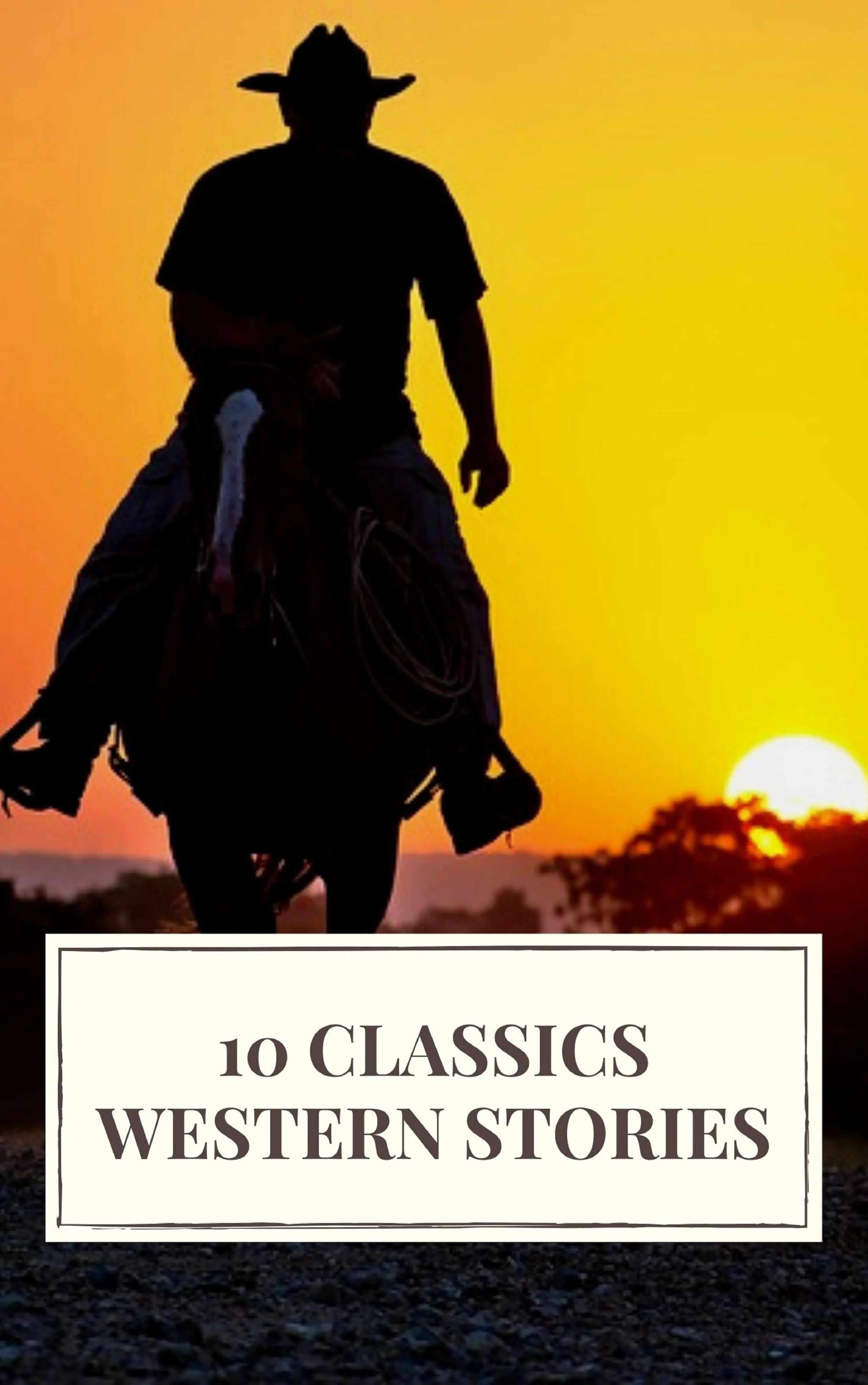
- Название:10 Classics Western Stories
- Автор:
- Жанр:
- Год:неизвестен
- ISBN:нет данных
- Рейтинг книги:3 / 5. Голосов: 1
-
Избранное:Добавить в избранное
- Отзывы:
-
Ваша оценка:
10 Classics Western Stories: краткое содержание, описание и аннотация
Предлагаем к чтению аннотацию, описание, краткое содержание или предисловие (зависит от того, что написал сам автор книги «10 Classics Western Stories»). Если вы не нашли необходимую информацию о книге — напишите в комментариях, мы постараемся отыскать её.
The novels are sorted alphabetically by the authors.
Content:
The Log of a Cowboy by Andy Adams
The Bridge of the Gods by Frederic Homer Balch
The Lure of the Dim Trails by B.M. Bower
Hidden Water by Dane Coolidge
The Last of the Mohicans by James Fenimore Cooper
The Prairie by James Fenimore Cooper
Salomy Jane by Bret Harte
Astoria by Washington Irving
The road to Frontenac by Samuel Merwin
That Girl Montana by Marah Ellis Ryan
10 Classics Western Stories — читать онлайн ознакомительный отрывок
Ниже представлен текст книги, разбитый по страницам. Система сохранения места последней прочитанной страницы, позволяет с удобством читать онлайн бесплатно книгу «10 Classics Western Stories», без необходимости каждый раз заново искать на чём Вы остановились. Поставьте закладку, и сможете в любой момент перейти на страницу, на которой закончили чтение.
Интервал:
Закладка:
McCann had camped on the nearest water to the agency, and after dinner we caught out the top horses, and, dressed in our best, rode into the agency proper. There was quite a group of houses for the attachés, one large general warehouse, and several school and chapel buildings. I again met the old padre, who showed us over the place. One could not help being favorably impressed with the general neatness and cleanliness of the place. In answer to our questions, the priest informed us that he had mastered the Indian language early in his work, and had adopted it in his ministry, the better to effect the object of his mission. There was something touching in the zeal of this devoted padre in his work amongst the tribe, and the recognition of the government had come as a fitting climax to his work and devotion.
As we rode away from the agency, the cows being in sight under herd of a dozen soldiers, several of us rode out to them, and learned that they intended to corral the cows at night, and within a week distribute them to Indian families, when the troop expected to return to Fort Benton. Lovell and Flood appeared at the camp about dusk—Lovell in high spirits. This, he said, was the easiest delivery of the three herds which he had driven that year. He was justified in feeling well over the year's drive, for he had in his possession a voucher for our Circle Dots which would crowd six figures closely. It was a gay night with us, for man and horse were free, and as we made down our beds, old man Don insisted that Flood and he should make theirs down alongside ours. He and The Rebel had been joking each other during the evening, and as we went to bed were taking an occasional fling at one another as opportunity offered.
"It's a strange thing to me," said Lovell, as he was pulling off his boots, "that this herd counted out a hundred and twelve head more than we started with, while Bob Quirk's herd was only eighty-one long at the final count;"
"Well, you see," replied The Rebel, "Quirk's was a steer herd, while ours had over a thousand cows in it, and you must make allowance for some of them to calve on the way. That ought to be easy figuring for a foxy, long-headed Yank like you."
Chapter 24 Back to Texas
The nearest railroad point from the Blackfoot Agency was Silver Bow, about a hundred and seventy-five miles due south, and at that time the terminal of the Utah Northern Railroad. Everything connected with the delivery having been completed the previous day, our camp was astir with the dawn in preparation for departure on our last ride together. As we expected to make not less than forty miles a day on the way to the railroad, our wagon was lightened to the least possible weight. The chuck-box, water kegs, and such superfluities were dropped, and the supplies reduced to one week's allowance, while beds were overhauled and extra wearing apparel of the outfit was discarded. Who cared if we did sleep cold and hadn't a change to our backs? We were going home and would have money in our pockets.
"The first thing I do when we strike that town of Silver Bow," said Bull Durham, as he was putting on his last shirt, "is to discard to the skin and get me new togs to a finish. I'll commence on my little pattering feet, which will require fifteen-dollar moccasins, and then about a six-dollar checked cottonade suit, and top off with a seven-dollar brown Stetson. Then with a few drinks under my belt and a rim-fire cigar in my mouth, I'd admire to meet the governor of Montana if convenient."
Before the sun was an hour high, we bade farewell to the Blackfoot Agency and were doubling back over the trail, with Lovell in our company. Our first night's camp was on the Muddy and the second on the Sun River. We were sweeping across the tablelands adjoining the main divide of the Rocky Mountains like the chinook winds which sweep that majestic range on its western slope. We were a free outfit; even the cook and wrangler were relieved; their little duties were divided among the crowd and almost disappeared. There was a keen rivalry over driving the wagon, and McCann was transferred to the hurricane deck of a cow horse, which he sat with ease and grace, having served an apprenticeship in the saddle in other days. There were always half a dozen wranglers available in the morning, and we traveled as if under forced marching orders. The third night we camped in the narrows between the Missouri River and the Rocky Mountains, and on the evening of the fourth day camped several miles to the eastward of Helena, the capital of the territory.
Don Lovell had taken the stage for the capital the night before; and on making camp that evening, Flood took a fresh horse and rode into town. The next morning he and Lovell returned with the superintendent of the cattle company which had contracted for our horses and outfit on the Republican. We corralled the horses for him, and after roping out about a dozen which, as having sore backs or being lame, he proposed to treat as damaged and take at half price, the remuda was counted out, a hundred and forty saddle horses, four mules, and a wagon constituting the transfer. Even with the loss of two horses and the concessions on a dozen others, there was a nice profit on the entire outfit over its cost in the lower country, due to the foresight of Don Lovell in mounting us well. Two of our fellows who had borrowed from the superintendent money to redeem their six-shooters after the horse race on the Republican, authorized Lovell to return him the loans and thanked him for the favor. Everything being satisfactory between buyer and seller, they returned to town together for a settlement, while we moved on south towards Silver Bow, where the outfit was to be delivered.
Another day's easy travel brought us to within a mile of the railroad terminus; but it also brought us to one of the hardest experiences of our trip, for each of us knew, as we unsaddled our horses, that we were doing it for the last time. Although we were in the best of spirits over the successful conclusion of the drive; although we were glad to be free from herd duty and looked forward eagerly to the journey home, there was still a feeling of regret in our hearts which we could not dispel. In the days of my boyhood I have shed tears when a favorite horse was sold from our little ranch on the San Antonio, and have frequently witnessed Mexican children unable to hide their grief when need of bread had compelled the sale of some favorite horse to a passing drover. But at no time in my life, before or since, have I felt so keenly the parting between man and horse as I did that September evening in Montana. For on the trail an affection springs up between a man and his mount which is almost human. Every privation which he endures his horse endures with him,—carrying him through falling weather, swimming rivers by day and riding in the lead of stampedes by night, always faithful, always willing, and always patiently enduring every hardship, from exhausting hours under saddle to the sufferings of a dry drive. And on this drive, covering nearly three thousand miles, all the ties which can exist between man and beast had not only become cemented, but our remuda as a whole had won the affection of both men and employer for carrying without serious mishap a valuable herd all the way from the Rio Grande to the Blackfoot Agency. Their hones may be bleaching in some coulee by now, but the men who knew them then can never forget them or the part they played in that long drive.
Three men from the ranch rode into our camp that evening, and the next morning we counted over our horses to them and they passed into strangers' hands. That there might he no delay, Flood had ridden into town the evening before and secured a wagon and gunny bags in which to sack our saddles; for while we willingly discarded all other effects, our saddles were of sufficient value to return and could be checked home as baggage. Our foreman reported that Lovell had arrived by stage and was awaiting us in town, having already arranged for our transportation as far as Omaha, and would accompany us to that city, where other transportation would have to be secured to our destination. In our impatience to get into town, we were trudging in by twos and threes before the wagon arrived for our saddles, and had not Flood remained behind to look after them, they might have been abandoned.
Читать дальшеИнтервал:
Закладка:
Похожие книги на «10 Classics Western Stories»
Представляем Вашему вниманию похожие книги на «10 Classics Western Stories» списком для выбора. Мы отобрали схожую по названию и смыслу литературу в надежде предоставить читателям больше вариантов отыскать новые, интересные, ещё непрочитанные произведения.



Обсуждение, отзывы о книге «10 Classics Western Stories» и просто собственные мнения читателей. Оставьте ваши комментарии, напишите, что Вы думаете о произведении, его смысле или главных героях. Укажите что конкретно понравилось, а что нет, и почему Вы так считаете.