Samuel Merwin - 10 Classics Western Stories
Здесь есть возможность читать онлайн «Samuel Merwin - 10 Classics Western Stories» — ознакомительный отрывок электронной книги совершенно бесплатно, а после прочтения отрывка купить полную версию. В некоторых случаях можно слушать аудио, скачать через торрент в формате fb2 и присутствует краткое содержание. Жанр: unrecognised, на английском языке. Описание произведения, (предисловие) а так же отзывы посетителей доступны на портале библиотеки ЛибКат.
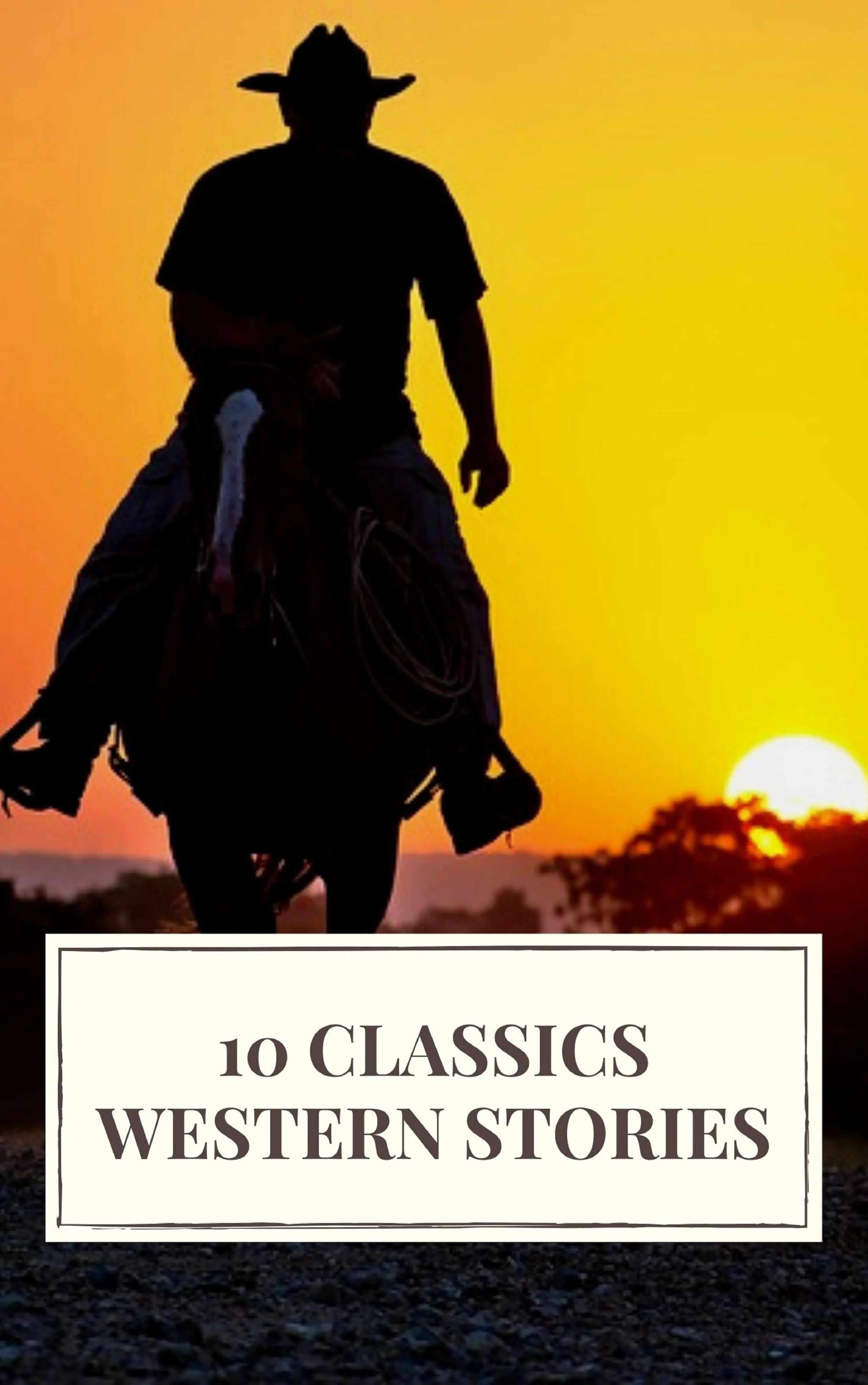
- Название:10 Classics Western Stories
- Автор:
- Жанр:
- Год:неизвестен
- ISBN:нет данных
- Рейтинг книги:3 / 5. Голосов: 1
-
Избранное:Добавить в избранное
- Отзывы:
-
Ваша оценка:
10 Classics Western Stories: краткое содержание, описание и аннотация
Предлагаем к чтению аннотацию, описание, краткое содержание или предисловие (зависит от того, что написал сам автор книги «10 Classics Western Stories»). Если вы не нашли необходимую информацию о книге — напишите в комментариях, мы постараемся отыскать её.
The novels are sorted alphabetically by the authors.
Content:
The Log of a Cowboy by Andy Adams
The Bridge of the Gods by Frederic Homer Balch
The Lure of the Dim Trails by B.M. Bower
Hidden Water by Dane Coolidge
The Last of the Mohicans by James Fenimore Cooper
The Prairie by James Fenimore Cooper
Salomy Jane by Bret Harte
Astoria by Washington Irving
The road to Frontenac by Samuel Merwin
That Girl Montana by Marah Ellis Ryan
10 Classics Western Stories — читать онлайн ознакомительный отрывок
Ниже представлен текст книги, разбитый по страницам. Система сохранения места последней прочитанной страницы, позволяет с удобством читать онлайн бесплатно книгу «10 Classics Western Stories», без необходимости каждый раз заново искать на чём Вы остановились. Поставьте закладку, и сможете в любой момент перейти на страницу, на которой закончили чтение.
Интервал:
Закладка:
When they returned from inspecting the cattle, the commandant and Lovell agreed to make the final delivery on the 8th, if it were agreeable to the agent, and with this understanding continued their journey. The next morning Flood rode into the agency, borrowing McCann's saddle and taking an extra horse with him, having left us instructions to graze the herd all day and have them in good shape with grass and water, in case they were inspected that evening on their condition. Near the middle of the afternoon quite a cavalcade rode out from the agency, including part of a company of cavalry temporarily encamped there. The Indian agent and the commanding officer from Benton were the authorized representatives of the government, it seemed, as Lovell took extra pains in showing them over the herd, frequently consulting the contract which he held, regarding sex, age, and flesh of the cattle.
The only hitch in the inspection was over a number of sore-footed cattle, which was unavoidable after such a long journey. But the condition of these tender-footed animals being otherwise satisfactory, Lovell urged the agent and commandant to call up the men for explanations. The agent was no doubt a very nice man, and there may have been other things that he understood better than cattle, for he did ask a great many simple, innocent questions. Our replies, however, might have been condensed into a few simple statements. We had, we related, been over five months on the trail; after the first month, tender-footed cattle began to appear from time to time in the herd, as stony or gravelly portions of the trail were encountered,—the number so affected at any one time varying from ten to forty head. Frequently well-known lead cattle became tender in their feet and would drop back to the rear, and on striking soft or sandy footing recover and resume their position in the lead; that since starting, it was safe to say, fully ten per cent of the entire herd had been so affected, yet we had not lost a single head from this cause; that the general health of the animal was never affected, and that during enforced layovers nearly all so affected recovered. As there were not over twenty-five sore-footed animals in the herd on our arrival, our explanation was sufficient and the herd was accepted. There yet remained the counting and classification, but as this would require time, it went over until the following day. The cows had been contracted for by the head, while the steers went on their estimated weight in dressed beef, the contract calling for a million pounds with a ten per cent leeway over that amount.
I was amongst the first to be interviewed by the Indian agent, and on being excused, I made the acquaintance of one of two priests who were with the party. He was a rosy-cheeked, well-fed old padre, who informed me that he had been stationed among the Blackfeet for over twenty years, and that he had labored long with the government to assist these Indians. The cows in our herd, which were to be distributed amongst the Indian families for domestic purposes, were there at his earnest solicitation. I asked him if these cows would not perish during the long winter—my recollection was still vivid of the touch of squaw winter we had experienced some two weeks previous. But he assured me that the winters were dry, if cold, and his people had made some progress in the ways of civilization, and had provided shelter and forage against the wintry weather. He informed me that previous to his labors amongst the Blackfeet their ponies wintered without loss on the native grasses, though he had since taught them to make hay, and in anticipation of receiving these cows, such families as were entitled to share in the division had amply provided for the animals' sustenance.
Lovell returned with the party to the agency, and we were to bring up the herd for classification early in the morning. Flood informed us that a beef pasture had been built that summer for the steers, while the cows would be held under herd by the military, pending their distribution. We spent our last night with the herd singing songs, until the first guard called the relief, when realizing the lateness of the hour, we burrowed into our blankets.
"I don't know how you fellows feel about it," said Quince Forrest, when the first guard were relieved and they had returned to camp, "but I bade those cows good-by on their beds to-night without a regret or a tear. The novelty of night-herding loses its charm with me when it's drawn out over five months. I might be fool enough to make another such trip, but I 'd rather be the Indian and let the other fellow drive the cows to me—there 's a heap more comfort in it."
The next morning, before we reached the agency, a number of gaudily bedecked bucks and squaws rode out to meet us. The arrival of the herd had been expected for several weeks, and our approach was a delight to the Indians, who were flocking to the agency from the nearest villages. Physically, they were fine specimens of the aborigines. But our Spanish, which Quarternight and I tried on them, was as unintelligible to them as their guttural gibberish was to us.
Lovell and the agent, with a detachment of the cavalry, met us about a mile from the agency buildings, and we were ordered to cut out the cows. The herd had been grazed to contentment, and were accordingly rounded in, and the task begun at once. Our entire outfit were turned into the herd to do the work, while an abundance of troopers held the herd and looked after the cut. It took about an hour and a half, during which time we worked like Trojans. Cavalrymen several times attempted to assist us, but their horses were no match for ours in the work. A cow can turn on much less space than a cavalry horse, and except for the amusement they afforded, the military were of very little effect.
After we had retrimmed the cut, the beeves were started for their pasture, and nothing now remained but the counting to complete the receiving. Four of us remained behind with the cows, but for over two hours the steers were in plain sight, while the two parties were endeavoring to make a count. How many times they recounted them before agreeing on the numbers I do not know, for the four of us left with the cows became occupied by a controversy over the sex of a young Indian—a Blackfoot—riding a cream-colored pony. The controversy originated between Fox Quarternight and Bob Blades, who had discovered this swell among a band who had just ridden in from the west, and John Officer and myself were appealed to for our opinions. The Indian was pointed out to us across the herd, easily distinguished by beads and beaver fur trimmings in the hair, so we rode around to pass our judgment as experts on the beauty. The young Indian was not over sixteen years of age, with remarkable features, from which every trace of the aborigine seemed to be eliminated. Officer and myself were in a quandary, for we felt perfectly competent when appealed to for our opinions on such a delicate subject, and we made every endeavor to open a conversation by signs and speech. But the young Blackfoot paid no attention to us, being intent upon watching the cows. The neatly moccasined feet and the shapely hand, however, indicated the feminine, and when Blades and Quarter-night rode up, we rendered our decision accordingly. Blades took exception to the decision and rode alongside the young Indian, pretending to admire the long plaits of hair, toyed with the beads, pinched and patted the young Blackfoot, and finally, although the rest of us, for fear the Indian might take offense and raise trouble, pleaded with him to desist, he called the youth his "squaw," when the young blood, evidently understanding the appellation, relaxed into a broad smile, and in fair English said, "Me buck."
Blades burst into a loud laugh at his success, at which the Indian smiled but accepted a cigarette, and the two cronied together, while we rode away to look after our cows. The outfit returned shortly afterward, when The Rebel rode up to me and expressed himself rather profanely at the inability of the government's representatives to count cattle in Texas fashion. On the arrival of the agent and others, the cows were brought around; and these being much more gentle, and being under Lovell's instruction fed between the counters in the narrowest file possible, a satisfactory count was agreed upon at the first trial. The troopers took charge of the cows after counting, and, our work over, we galloped away to the wagon, hilarious and care free.
Читать дальшеИнтервал:
Закладка:
Похожие книги на «10 Classics Western Stories»
Представляем Вашему вниманию похожие книги на «10 Classics Western Stories» списком для выбора. Мы отобрали схожую по названию и смыслу литературу в надежде предоставить читателям больше вариантов отыскать новые, интересные, ещё непрочитанные произведения.





Обсуждение, отзывы о книге «10 Classics Western Stories» и просто собственные мнения читателей. Оставьте ваши комментарии, напишите, что Вы думаете о произведении, его смысле или главных героях. Укажите что конкретно понравилось, а что нет, и почему Вы так считаете.