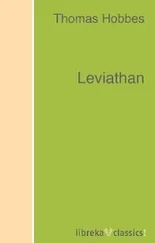
Томас Гоббс - Leviathan
Здесь есть возможность читать онлайн «Томас Гоббс - Leviathan» — ознакомительный отрывок электронной книги совершенно бесплатно, а после прочтения отрывка купить полную версию. В некоторых случаях можно слушать аудио, скачать через торрент в формате fb2 и присутствует краткое содержание. Год выпуска: 2014, Издательство: epubBooks Classics, Жанр: Философия, Политика, Религия, на английском языке. Описание произведения, (предисловие) а так же отзывы посетителей доступны на портале библиотеки ЛибКат.
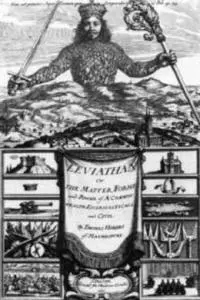
- Название:Leviathan
- Автор:
- Издательство:epubBooks Classics
- Жанр:
- Год:2014
- ISBN:нет данных
- Рейтинг книги:4 / 5. Голосов: 1
-
Избранное:Добавить в избранное
- Отзывы:
-
Ваша оценка:
Leviathan: краткое содержание, описание и аннотация
Предлагаем к чтению аннотацию, описание, краткое содержание или предисловие (зависит от того, что написал сам автор книги «Leviathan»). Если вы не нашли необходимую информацию о книге — напишите в комментариях, мы постараемся отыскать её.
Leviathan — читать онлайн ознакомительный отрывок
Ниже представлен текст книги, разбитый по страницам. Система сохранения места последней прочитанной страницы, позволяет с удобством читать онлайн бесплатно книгу «Leviathan», без необходимости каждый раз заново искать на чём Вы остановились. Поставьте закладку, и сможете в любой момент перейти на страницу, на которой закончили чтение.
Интервал:
Закладка:
Exile
Exile, (Banishment) is when a man is for a crime, condemned to depart out of the dominion of the Common–wealth, or out of a certaine part thereof; and during a prefixed time, or for ever, not to return into it: and seemeth not in its own nature, without other circumstances, to be a Punishment; but rather an escape, or a publique commandement to avoid Punishment by flight. And Cicero sayes, there was never any such Punishment ordained in the City of Rome; but cals it a refuge of men in danger. For if a man banished, be neverthelesse permitted to enjoy his Goods, and the Revenue of his Lands, the meer change of ayr is no punishment; nor does it tend to that benefit of the Common–wealth, for which all Punishments are ordained, (that is to say, to the forming of mens wils to the observation of the Law;) but many times to the dammage of the Common–wealth. For a Banished man, is a lawfull enemy of the Common–wealth that banished him; as being no more a Member of the same. But if he be withall deprived of his Lands, or Goods, then the Punishment lyeth not in the Exile, but is to be reckoned amongst Punishments Pecuniary.
The Punishment Of Innocent Subjects Is Contrary To The Law Of Nature
All Punishments of Innocent subjects, be they great or little, are against the Law of Nature; For Punishment is only of Transgression of the Law, and therefore there can be no Punishment of the Innocent. It is therefore a violation, First, of that Law of Nature, which forbiddeth all men, in their Revenges, to look at any thing but some future good: For there can arrive no good to the Common–wealth, by Punishing the Innocent. Secondly, of that, which forbiddeth Ingratitude: For seeing all Soveraign Power, is originally given by the consent of every one of the Subjects, to the end they should as long as they are obedient, be protected thereby; the Punishment of the Innocent, is a rendring of Evill for Good. And thirdly, of the Law that commandeth Equity; that is to say, an equall distribution of Justice; which in Punishing the Innocent is not observed.
But The Harme Done To Innocents In War, Not So
But the Infliction of what evill soever, on an Innocent man, that is not a Subject, if it be for the benefit of the Common–wealth, and without violation of any former Covenant, is no breach of the Law of Nature. For all men that are not Subjects, are either Enemies, or else they have ceased from being so, by some precedent covenants. But against Enemies, whom the Common–wealth judgeth capable to do them hurt, it is lawfull by the originall Right of Nature to make warre; wherein the Sword Judgeth not, nor doth the Victor make distinction of Nocent and Innocent, as to the time past; nor has other respect of mercy, than as it conduceth to the good of his own People. And upon this ground it is, that also in Subjects, who deliberatly deny the Authority of the Common–wealth established, the vengeance is lawfully extended, not onely to the Fathers, but also to the third and fourth generation not yet in being, and consequently innocent of the fact, for which they are afflicted: because the nature of this offence, consisteth in the renouncing of subjection; which is a relapse into the condition of warre, commonly called Rebellion; and they that so offend, suffer not as Subjects, but as Enemies. For Rebellion, is but warre renewed.
Reward, Is Either Salary, Or Grace
REWARD, is either of Gift, or by Contract. When by Contract, it is called Salary, and Wages; which is benefit due for service performed, or promised. When of Gift, it is benefit proceeding from the Grace of them that bestow it, to encourage, or enable men to do them service. And therefore when the Soveraign of a Common–wealth appointeth a Salary to any publique Office, he that receiveth it, is bound in Justice to performe his office; otherwise, he is bound onely in honour, to acknowledgement, and an endeavour of requitall. For though men have no lawfull remedy, when they be commanded to quit their private businesse, to serve the publique, without Reward, or Salary; yet they are not bound thereto, by the Law of Nature, nor by the institution of the Common–wealth, unlesse the service cannot otherwise be done; because it is supposed the Soveraign may make use of all their means, insomuch as the most common Souldier, may demand the wages of his warrefare, as a debt.
Benefits Bestowed For Fear, Are Not Rewards
The benefits which a Soveraign bestoweth on a Subject, for fear of some power, and ability he hath to do hurt to the Common–wealth, are not properly Rewards; for they are not Salaryes; because there is in this case no contract supposed, every man being obliged already not to do the Common–wealth disservice: nor are they Graces; because they be extorted by feare, which ought not to be incident to the Soveraign Power: but are rather Sacrifices, which the Soveraign (considered in his naturall person, and not in the person of the Common–wealth) makes, for the appeasing the discontent of him he thinks more potent than himselfe; and encourage not to obedience, but on the contrary, to the continuance, and increasing of further extortion.
Salaries Certain And Casuall
And whereas some Salaries are certain, and proceed from the publique Treasure; and others uncertain, and casuall, proceeding from the execution of the Office for which the Salary is ordained; the later is in some cases hurtfull to the Common–wealth; as in the case of Judicature. For where the benefit of the Judges, and Ministers of a Court of Justice, ariseth for the multitude of Causes that are brought to their cognisance, there must needs follow two Inconveniences: One, is the nourishing of sutes; for the more sutes, the greater benefit: and another that depends on that, which is contention about Jurisdiction; each Court drawing to it selfe, as many Causes as it can. But in offices of Execution there are not those Inconveniences; because their employment cannot be encreased by any endeavour of their own. And thus much shall suffice for the nature of Punishment, and Reward; which are, as it were, the Nerves and Tendons, that move the limbes and joynts of a Common–wealth.
Hitherto I have set forth the nature of Man, (whose Pride and other Passions have compelled him to submit himselfe to Government;) together with the great power of his Governour, whom I compared to Leviathan, taking that comparison out of the two last verses of the one and fortieth of Job; where God having set forth the great power of Leviathan, called him King of the Proud. "There is nothing," saith he, "on earth, to be compared with him. He is made so as not be afraid. Hee seeth every high thing below him; and is King of all the children of pride." But because he is mortall, and subject to decay, as all other Earthly creatures are; and because there is that in heaven, (though not on earth) that he should stand in fear of, and whose Lawes he ought to obey; I shall in the next following Chapters speak of his Diseases, and the causes of his Mortality; and of what Lawes of Nature he is bound to obey.
Chapter XXIX.
Of Those Things That Weaken, or Tend to the Dissolution of a Common-wealth
Dissolution Of Common–wealths Proceedeth From Imperfect Institution
Though nothing can be immortall, which mortals make; yet, if men had the use of reason they pretend to, their Common–wealths might be secured, at least, from perishing by internall diseases. For by the nature of their Institution, they are designed to live, as long as Man–kind, or as the Lawes of Nature, or as Justice it selfe, which gives them life. Therefore when they come to be dissolved, not by externall violence, but intestine disorder, the fault is not in men, as they are the Matter; but as they are the Makers, and orderers of them. For men, as they become at last weary of irregular justling, and hewing one another, and desire with all their hearts, to conforme themselves into one firme and lasting edifice; so for want, both of the art of making fit Laws, to square their actions by, and also of humility, and patience, to suffer the rude and combersome points of their present greatnesse to be taken off, they cannot without the help of a very able Architect, be compiled, into any other than a crasie building, such as hardly lasting out their own time, must assuredly fall upon the heads of their posterity.
Читать дальшеИнтервал:
Закладка:
Похожие книги на «Leviathan»
Представляем Вашему вниманию похожие книги на «Leviathan» списком для выбора. Мы отобрали схожую по названию и смыслу литературу в надежде предоставить читателям больше вариантов отыскать новые, интересные, ещё непрочитанные произведения.




Обсуждение, отзывы о книге «Leviathan» и просто собственные мнения читателей. Оставьте ваши комментарии, напишите, что Вы думаете о произведении, его смысле или главных героях. Укажите что конкретно понравилось, а что нет, и почему Вы так считаете.