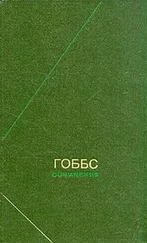
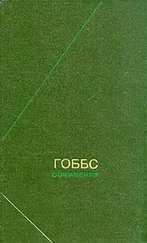
Томас Гоббс - Leviathan
Здесь есть возможность читать онлайн «Томас Гоббс - Leviathan» — ознакомительный отрывок электронной книги совершенно бесплатно, а после прочтения отрывка купить полную версию. В некоторых случаях можно слушать аудио, скачать через торрент в формате fb2 и присутствует краткое содержание. Год выпуска: 2014, Издательство: epubBooks Classics, Жанр: Философия, Политика, Религия, на английском языке. Описание произведения, (предисловие) а так же отзывы посетителей доступны на портале библиотеки ЛибКат.
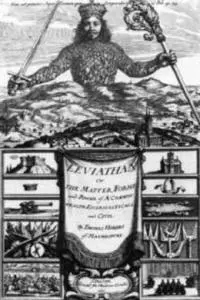
- Название:Leviathan
- Автор:
- Издательство:epubBooks Classics
- Жанр:
- Год:2014
- ISBN:нет данных
- Рейтинг книги:4 / 5. Голосов: 1
-
Избранное:Добавить в избранное
- Отзывы:
-
Ваша оценка:
Leviathan: краткое содержание, описание и аннотация
Предлагаем к чтению аннотацию, описание, краткое содержание или предисловие (зависит от того, что написал сам автор книги «Leviathan»). Если вы не нашли необходимую информацию о книге — напишите в комментариях, мы постараемся отыскать её.
Leviathan — читать онлайн ознакомительный отрывок
Ниже представлен текст книги, разбитый по страницам. Система сохранения места последней прочитанной страницы, позволяет с удобством читать онлайн бесплатно книгу «Leviathan», без необходимости каждый раз заново искать на чём Вы остановились. Поставьте закладку, и сможете в любой момент перейти на страницу, на которой закончили чтение.
Интервал:
Закладка:
The first is this, "The Civill Power is subject to the Spirituall: Therefore he that hath the Supreme Power Spirituall, hath right to command Temporall Princes, and dispose of their Temporalls in order to the Spirituall. As for the distinction of Temporall, and Spirituall, let us consider in what sense it may be said intelligibly, that the Temporall, or Civill Power is subject to the Spirituall. There be but two ways that those words can be made sense. For when wee say, one Power is subject to another Power, the meaning either is, that he which hath the one, is subject to him that hath the other; or that the one Power is to the other, as the means to the end. For wee cannot understand, that one Power hath Power over another Power; and that one Power can have Right or Command over another: For Subjection, Command, Right, and Power are accidents, not of Powers, but of Persons: One Power may be subordinate to another, as the art of a Sadler, to the art of a Rider. If then it be granted, that the Civill Government be ordained as a means to bring us to a Spirituall felicity; yet it does not follow, that if a King have the Civill Power, and the Pope the Spirituall, that therefore the King is bound to obey the Pope, more then every Sadler is bound to obey every Rider. Therefore as from Subordination of an Art, cannot be inferred the Subjection of the Professor; so from the Subordination of a Government, cannot be inferred the Subjection of the Governor. When therefore he saith, the Civill Power is Subject to the Spirituall, his meaning is, that the Civill Soveraign, is Subject to the Spirituall Soveraign. And the Argument stands thus, "The Civil Soveraign, is subject to the Spirituall; Therefore the Spirituall Prince may command Temporall Princes." Where the conclusion is the same, with the Antecedent he should have proved. But to prove it, he alledgeth first, this reason, "Kings and Popes, Clergy and Laity make but one Common–wealth; that is to say, but one Church: And in all Bodies the Members depend one upon another: But things Spirituall depend not of things Temporall: Therefore, Temporall depend on Spirituall. And therefore are Subject to them." In which Argumentation there be two grosse errours: one is, that all Christian Kings, Popes, Clergy, and all other Christian men, make but one Common–wealth: For it is evident that France is one Common–wealth, Spain another, and Venice a third, etc. And these consist of Christians; and therefore also are severall Bodies of Christians; that is to say, severall Churches: And their severall Soveraigns Represent them, whereby they are capable of commanding and obeying, of doing and suffering, as a natural man; which no Generall or Universall Church is, till it have a Representant; which it hath not on Earth: for if it had, there is no doubt but that all Christendome were one Common–wealth, whose Soveraign were that Representant, both in things Spirituall and Temporall: And the Pope, to make himself this Representant, wanteth three things that our Saviour hath not given him, to Command, and to Judge, and to Punish, otherwise than (by Excommunication) to run from those that will not Learn of him: For though the Pope were Christs onely Vicar, yet he cannot exercise his government, till our Saviours second coming: And then also it is not the Pope, but St. Peter himselfe, with the other Apostles, that are to be Judges of the world.
The other errour in this his first Argument is, that he sayes, the Members of every Common–wealth, as of a naturall Body, depend one of another: It is true, they cohaere together; but they depend onely on the Soveraign, which is the Soul of the Common–wealth; which failing, the Common–wealth is dissolved into a Civill war, no one man so much as cohaering to another, for want of a common Dependance on a known Soveraign; Just as the Members of the naturall Body dissolve into Earth, for want of a Soul to hold them together. Therefore there is nothing in this similitude, from whence to inferre a dependance of the Laity on the Clergy, or of the Temporall Officers on the Spirituall; but of both on the Civill Soveraign; which ought indeed to direct his Civill commands to the Salvation of Souls; but is not therefore subject to any but God himselfe. And thus you see the laboured fallacy of the first Argument, to deceive such men as distinguish not between the Subordination of Actions in the way to the End; and the Subjection of Persons one to another in the administration of the Means. For to every End, the Means are determined by Nature, or by God himselfe supernaturally: but the Power to make men use the Means, is in every nation resigned (by the Law of Nature, which forbiddeth men to violate their Faith given) to the Civill Soveraign.
His second Argument is this, "Every Common–wealth, (because it is supposed to be perfect and sufficient in it self,) may command any other Common–wealth, not subject to it, and force it to change the administration of the Government, nay depose the Prince, and set another in his room, if it cannot otherwise defend it selfe against the injuries he goes about to doe them: much more may a Spirituall Common–wealth command a Temporall one to change the administration of their Government, and may depose Princes, and institute others, when they cannot otherwise defend the Spirituall Good."
That a Common–wealth, to defend it selfe against injuries, may lawfully doe all that he hath here said, is very true; and hath already in that which hath gone before been sufficiently demonstrated. And if it were also true, that there is now in this world a Spirituall Common–wealth, distinct from a Civill Common–wealth, then might the Prince thereof, upon injury done him, or upon want of caution that injury be not done him in time to come, repaire, and secure himself by Warre; which is in summe, deposing, killing, or subduing, or doing any act of Hostility. But by the same reason, it would be no lesse lawfull for a Civill Soveraign, upon the like injuries done, or feared, to make warre upon the Spirituall Soveraign; which I beleeve is more than Cardinall Bellarmine would have inferred from his own proposition.
But Spirituall Common–wealth there is none in this world: for it is the same thing with the Kingdome of Christ; which he himselfe saith, is not of this world; but shall be in the next world, at the Resurrection, when they that have lived justly, and beleeved that he was the Christ, shall (though they died Naturall bodies) rise Spirituall bodies; and then it is, that our Saviour shall judge the world, and conquer his Adversaries, and make a Spirituall Common–wealth. In the mean time, seeing there are no men on earth, whose bodies are Spirituall; there can be no Spirituall Common–wealth amongst men that are yet in the flesh; unlesse wee call Preachers, that have Commission to Teach, and prepare men for their reception into the Kingdome of Christ at the Resurrection, a Common–wealth; which I have proved to bee none.
The third Argument is this; "It is not lawfull for Christians to tolerate an Infidel, or Haereticall King, in case he endeavour to draw them to his Haeresie, or Infidelity. But to judge whether a King draw his subjects to Haeresie, or not, belongeth to the Pope. Therefore hath the Pope Right, to determine whether the Prince be to be deposed, or not deposed."
To this I answer, that both these assertions are false. For Christians, (or men of what Religion soever,) if they tolerate not their King, whatsoever law hee maketh, though it bee concerning Religion, doe violate their faith, contrary to the Divine Law, both Naturall and Positive: Nor is there any Judge of Haeresie amongst Subjects, but their own Civill Soveraign; for "Haeresie is nothing else, but a private opinion, obstinately maintained, contrary to the opinion which the Publique Person (that is to say, the Representant of the Common–wealth) hath commanded to bee taught." By which it is manifest, that an opinion publiquely appointed to bee taught, cannot be Haeresie; nor the Soveraign Princes that authorize them, Haeretiques. For Haeretiques are none but private men, that stubbornly defend some Doctrine, prohibited by their lawful Soveraigns.
Читать дальшеИнтервал:
Закладка:
Похожие книги на «Leviathan»
Представляем Вашему вниманию похожие книги на «Leviathan» списком для выбора. Мы отобрали схожую по названию и смыслу литературу в надежде предоставить читателям больше вариантов отыскать новые, интересные, ещё непрочитанные произведения.

Обсуждение, отзывы о книге «Leviathan» и просто собственные мнения читателей. Оставьте ваши комментарии, напишите, что Вы думаете о произведении, его смысле или главных героях. Укажите что конкретно понравилось, а что нет, и почему Вы так считаете.