Judith McNaught - Remember When
Здесь есть возможность читать онлайн «Judith McNaught - Remember When» весь текст электронной книги совершенно бесплатно (целиком полную версию без сокращений). В некоторых случаях можно слушать аудио, скачать через торрент в формате fb2 и присутствует краткое содержание. Год выпуска: 1997, ISBN: 1997, Издательство: Simon & Schuster Ltd, Жанр: Современные любовные романы, на английском языке. Описание произведения, (предисловие) а так же отзывы посетителей доступны на портале библиотеки ЛибКат.
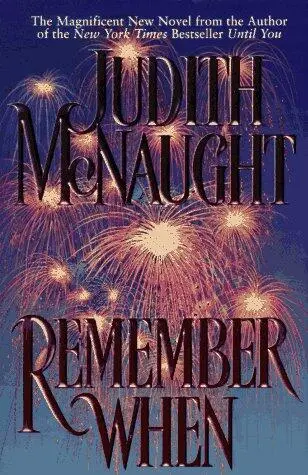
- Название:Remember When
- Автор:
- Издательство:Simon & Schuster Ltd
- Жанр:
- Год:1997
- ISBN:0-7434-6728-0
- Рейтинг книги:5 / 5. Голосов: 1
-
Избранное:Добавить в избранное
- Отзывы:
-
Ваша оценка:
Remember When: краткое содержание, описание и аннотация
Предлагаем к чтению аннотацию, описание, краткое содержание или предисловие (зависит от того, что написал сам автор книги «Remember When»). Если вы не нашли необходимую информацию о книге — напишите в комментариях, мы постараемся отыскать её.
magazine. Recently jilted by her fiancé for an Italian heiress an insult delivered via a sleazy tabloid—Diana was now very publicly unengaged, and surrounded by humiliating rumors. So why was billionaire Cole Harrison closing in on her with two crystal flutes and a bottle of champagne?
The former stableboy had received an ultimatum from his uncle: Cole must bring home a wife—soon—or lose his share of a booming multinational business. Coolly analytical and arrestingly attractive, Cole knew what he wanted in a bride, and Diana Foster—rich, beautiful, and principled—fit the role perfectly. But while a long, slow kiss sealed the bargain that solved both their dilemmas, neither imagined the extraordinary journey that would begin on that unforgettable night...
Remember When — читать онлайн бесплатно полную книгу (весь текст) целиком
Ниже представлен текст книги, разбитый по страницам. Система сохранения места последней прочитанной страницы, позволяет с удобством читать онлайн бесплатно книгу «Remember When», без необходимости каждый раз заново искать на чём Вы остановились. Поставьте закладку, и сможете в любой момент перейти на страницу, на которой закончили чтение.
Интервал:
Закладка:
"All of you?" Cole repeated. "I thought you had the biggest problem in that area because you're primarily identified with the magazine."
"I gave you that impression in the living room, but it wasn't completely accurate. We're all identified with it. The thing that made Foster's Beautiful Living unique from the very beginning is that it was, and is, a family endeavor, and the public has always been attracted by that. So, unfortunately, has the press, which means we can't even disagree on some minor point when we're filming a program without later reading in some gossip column that There's trouble in the Foster paradise' or some other idiotic catchphrase.
"My mother writes a column for the magazine that's one of its most popular features. In it, she reminisces about her girlhood recollections of holidays at her grandparents' homes, the things her mother taught her, and jokes about some of her fears when she gave early parties. She tells stories about Grandma and Grandpa and Corey and me when we were young. All of us have appeared in the photo layouts from time to time, and our readership has come to feel that they know us. The public who buys our magazine, regards all of us as friends. When Corey married Spence, handmade congratulatory cards arrived by the truckload. When the twins were born, readers sent thousands of baby gifts, all handmade. We ended up featuring some of them in a baby issue. When Grandpa broke his leg, more gifts and get-well cards arrived. To the public, we have to remain one big, happy family, living the good life that we expound upon in our issues."
While he listened, Cole was reassessing the extent of her achievements. It truly bothered him that someone who'd accomplished what she had, with very little help, and not much money behind her, thought so little of her accomplishments.
Cole moved forward and braced his hand on the tree trunk above her head. "Tell me something," he said sternly. "Why do you think your mistakes are so enormous that they override your incredible success? In the living room, you downplayed all your own talent and achievements and made your successes seem like nothing more than dumb luck."
She flinched and looked away. "You don't realize how damaging my mistakes have been, or how many I've made."
"Tell me what they were and let me be the judge of that. I promise to be impartial."
Diana was glad of the opportunity to spend time with him, getting reacquainted, but she wished he weren't so insistent about this topic. With a reluctant sigh, she leaned her shoulders against the trunk and gave in. "You got the gist of it in there. I passed up some wonderful opportunities over the years because I didn't want to take a chance—I was afraid of growing too fast."
Cole gazed down at her upturned face, marveling that Diana seemed as genuine and unaffected now as she had been when she was sixteen, and almost wishing that she wasn't. This marriage of theirs was not foolproof, and he didn't want to succeed in what Penworth had failed to do— turn her into a cold cynic.
"I think," she joked, "I'm seeing your grim look right now."
"No," he replied with a half-smile. "That was my impressed look again." Before she could question him about its cause, he replied to her earlier comment. "Businesses fail all the time because someone lets their dreams outpace their financial resources. It's much wiser to err on the side of conservatism."
"I erred on the side of foolishness. The largest of my mistakes was waiting until two years ago to market our own line of gardening and crafts products. When we finally did that, they sold like we were giving them away."
"You must have had reasons for waiting, reasons that seemed sound at the time," Cole pointed out.
"I did. Basically, I was concerned about quality control and start-up and warehousing costs. When we finally launched the product line, it was a huge success, which means we lost a lot of revenue while I was dragging my feet."
"That's hindsight," Cole scoffed.
Diana refused to be patronized. Crossing her arms over her chest, she countered tartly, "Would you have waited and deliberated while all the competition was getting a head start?"
At the beginning of the discussion Cole had promised to be truthful. He kept that promise. "No," he admitted.
"There, you see? You have daring and foresight."
"No, I don't 'see.' There's one major difference between my circumstances and yours. When I started Unified Industries, I had sufficient money behind me and more available if I needed it."
She brightened, but just a little. "I did other things I wish to heaven I could undo."
"Like what?" Cole persisted, reacting to some inner need to give her honest consolation even though he knew he was prying.
"As I said in the living room, I practically gave away shares in our new company to raise money to get us started, and later to keep us going."
Cole felt a sudden desire to reach out and touch her cheek, and when he answered her, his voice was unaccustomedly gentle. "I'm amazed that at twenty-two you could talk a bank into investing in your scheme, let alone round up individual investors."
Diana shrugged. "The bank wasn't taking much of a risk, because we put this house up as collateral."
Refusing to let her denigrate her accomplishments, Cole said, "Really? Then how did you get private investors to put up their hard-earned cash on a high-risk, no-potential-profit deal?"
"Oh, that," she said with a rueful laugh. "I packed up my briefcase with official business plans and projections and called on my father's friends. They all thought we were probably going to fail, but they felt sorry for me, so they patted my head and gave me five thousand or ten thousand— figuring all along that they'd at least end up with a tax loss they could use to offset profits on their income taxes. In return for that, I gave them stock certificates in the new company." She sighed and looked away. "In short, I gave away so many pieces of our business that when they were added up, we were down to fifty percent for ourselves."
"Diana, did you have any other choice?"
"If I had dreamed how profitable and successful we'd be now—"
"I'm talking about before, when you were starting up," he said sternly. "Did you have any other way to raise the money you needed?"
She hesitated and then shook her head. "None."
"Then stop blaming yourself for not being psychic and give yourself credit for overcoming hundreds of hurdles all by yourself—hurdles that would eliminate all but the most gifted and flexible entrepreneurs!"
Diana gazed up at his stern, handsome face and realized he was completely serious. "Coming from you, that's high praise indeed."
He grinned then. "Just remember that. I can't have my wife going around belittling her accomplishments. It might reflect badly on my judgment," he joked, "and cause Unified's stock to drop."
"And Wall Street to collapse," Diana put in, her spirits lifting crazily beneath the warmth of his sudden smile.
Chapter 35
Standing at the kitchen sink, where she was tearing red leaf lettuce into small pieces, Corey studied the couple in the backyard. She was so absorbed with the scene and its possibilities that she jumped when her husband came up behind her and put his arms around her waist. "Where is everyone?" Spence asked.
"I suggested they relax before dinner. Glenna and I have everything under control in here."
"I tucked the girls into bed and gave them a kiss from Mommy. That's where I'd like to be—" he whispered as he nuzzled the side of her neck, "— in bed. With you."
Corey turned her face up for his kiss just as the housekeeper bustled into the kitchen, and they automatically moved apart like guilty teenagers. "Go ahead with what you were doing," Glenna said. "Don't let me interrupt. I'm just trying to get a six-course meal for seven people on the table."
Читать дальшеИнтервал:
Закладка:
Похожие книги на «Remember When»
Представляем Вашему вниманию похожие книги на «Remember When» списком для выбора. Мы отобрали схожую по названию и смыслу литературу в надежде предоставить читателям больше вариантов отыскать новые, интересные, ещё непрочитанные произведения.









Обсуждение, отзывы о книге «Remember When» и просто собственные мнения читателей. Оставьте ваши комментарии, напишите, что Вы думаете о произведении, его смысле или главных героях. Укажите что конкретно понравилось, а что нет, и почему Вы так считаете.