Jerry Oltion - Humanity
Здесь есть возможность читать онлайн «Jerry Oltion - Humanity» весь текст электронной книги совершенно бесплатно (целиком полную версию без сокращений). В некоторых случаях можно слушать аудио, скачать через торрент в формате fb2 и присутствует краткое содержание. Год выпуска: 1990, ISBN: 1990, Издательство: Ace Books, Жанр: Фантастика и фэнтези, на английском языке. Описание произведения, (предисловие) а так же отзывы посетителей доступны на портале библиотеки ЛибКат.
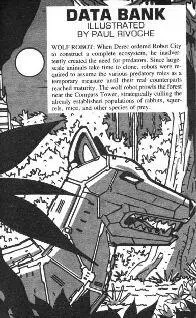
- Название:Humanity
- Автор:
- Издательство:Ace Books
- Жанр:
- Год:1990
- ISBN:ISBN: 0-441-37386-0
- Рейтинг книги:4 / 5. Голосов: 1
-
Избранное:Добавить в избранное
- Отзывы:
-
Ваша оценка:
Humanity: краткое содержание, описание и аннотация
Предлагаем к чтению аннотацию, описание, краткое содержание или предисловие (зависит от того, что написал сам автор книги «Humanity»). Если вы не нашли необходимую информацию о книге — напишите в комментариях, мы постараемся отыскать её.
Humanity — читать онлайн бесплатно полную книгу (весь текст) целиком
Ниже представлен текст книги, разбитый по страницам. Система сохранения места последней прочитанной страницы, позволяет с удобством читать онлайн бесплатно книгу «Humanity», без необходимости каждый раз заново искать на чём Вы остановились. Поставьте закладку, и сможете в любой момент перейти на страницу, на которой закончили чтение.
Интервал:
Закладка:
Wolruf was talking with the wolf when she felt the forest shudder beneath her feet.
“What I want to know,” she’d been in the process of saying, “is whether or not your desire to serve ‘umans is stronger in the immediate case, or over the long term. Do you think ahead to w’at your ‘elp might do to your masters’ civilization, or do you just follow your laws case by-what was that?”
The wolf had flinched, too, just as the forest had seemed to do. Now it said, “Involuntary response. A robot has just injured a human.”
“ W ’ at?” Wolruf felt her hackles rise. That was supposed to be impossible.
The wolf looked into the forest and spoke as if echoing a news broadcast, as it probably was. “The robot Lucius has inflicted non-fatal damage to the human Wendell Avery. Lucius has been deactivated, but all units are alerted to watch for aberrant behavior among other robots. All units must run a diagnostic self-check immediately.” The wolf turned its head to look up at Wolruf. “I must comply,” it said, and it froze like a statue.
Wolruf glanced around at the forest, wondering if she should use the opportunity to make her escape. Of all the times to be out in the forest with a robotic wolf, this was probably the worst. If some rogue idea were circulating around, some new thought that could actually allow a robot to override the Three Laws, then Wolruf couldn’t think of a much worse place to run afoul of it than here with a robot who had already convinced itself that injuring animals was all right.
She forced herself to stay put. It had been Lucius and Avery involved, not this robot before her. Wolruf had lived around robots long enough to know that they seldom-if ever-did anything without a reason, and if ever a robot had a reason to harm a human, Lucius was the one. Scary as the precedent might be, the wolf didn’t have a motive. No matter how much she worried about the long-term damage robots could do to a civilization, Wolruf didn’t think she was in any danger now.
She waited impatiently for the wolf robot’s consciousness to come back on line, in the meantime listening to the occasional chirps and cries of the forest’s real occupants. Quite a few of them were genuine, by the sound of it. Quite a few of the plants were, too. The fresh, clean aroma of growing things was a constant delight to a nose too often idle in the city.
That was a good argument in favor of robots right there, Wolruf realized. They had repaired a planet-wide ecosystem in only a few months, with much more careful attention to detail than she or her entire society could achieve. Wolruf’s home world needed such attention, and soon. Most of the forests there were already gone, as were the wide open spaces and the clean lakes. Centuries of industrialization had left scars that would probably never heal on their own. Even accounting for the difficulties inherent in working around an existing population, robots would probably be able to repair it all in a few years, or decades at the longest.
There was no denying that robots would be useful if she took them home with her. But that still didn’t tell her whether or not they would also be harmful.
She was no closer to an answer than before. And now she had to worry about the possibility of immediate danger as well as long-term effects of using robots.
The wolf returned to life as quickly as it had frozen. “My functions check out marginal,” it said. “I am not a direct threat to humans, but under the current conditions my ability to kill animals has caused some alarm. I have been instructed to return to the city for deeper evaluation.”
“Oh,” Wolruf said. “If you wish to accompany me, we can continue our discussion on the way. “
“All right.”
“You were asking about the city’s consideration for long-range effects of its actions.” The robot led off through the ferns toward a large boulder, which obligingly grew a door for them when they were still a few paces away. “I have accessed the pertinent operation guidelines from Central, and find that very little long-term planning exists. However, since this was an experimental city built primarily to test the physical function of the cellular robot concept, that lack of guidelines may not be pertinent to the question. It seems likely that under actual implementation conditions, whatever long-range goals the city’s inhabitants had for themselves would be included in the city programming.”
They stepped into the elevator and turned around to watch the door slide closed, cutting off the sights and sounds and smells of forest once again. They began to descend, and Wolruf turned her attention to what the robot had said. She had to wade through the unfamiliar terms in its speech to get its meaning, but she was getting good at gathering sense from context. The robot had just said that long-term goals were the responsibility of the humans being served. Which, to answer her question, meant no, the robots wouldn’t concern themselves with it because they believed it was already being covered.
Wolruf laughed aloud. When the robot asked her to explain, she said, “You’ve ‘eard the cliche about the blind leading the blind?”
“No, but I have accessed the appropriate files. I fail to see the application here.”
Wolruf laughed again. “ ‘umans, at least my particular breed of them-and to all appearances Derec ‘ s breed as well-don’t pay much more attention to long-term problems than you do.”
“Oh,” the wolf said. “We will have to take this under consideration. “
The elevator came to a stop and the doors opened onto the underground city. Wolruf stepped out ahead of the robot. “Good,” she said. “I was ‘oping you’d say that.”
The city built the hospital in the suite of rooms just down the corridor from the lab. Medical robots arrived while it was still differentiating, took Avery inside, and made quick work of preparing his wound for surgery. The operating room grew around them while they cleaned the wound, and within minutes they had him anesthetized and were hard at work grafting his hand back on.
Ariel watched in morbid fascination from behind the sterile room’s transparent wall. To her left stood Derec ‘ s mother and her companion robot, to her right Adam and Eve and Mandelbrot. The robots were watching the operation with the same fascination as Ariel, but Derec’s mother was watching Ariel as much as anything else.
“You’re David’s lover, aren’t you?” she finally asked, her tone less than approving. It was the first thing either of them had said to the other.
“That’s right,” Ariel said without looking away from the window. Where did this woman get off? she wondered. No introduction, no apology, just “You’re David’s lover.” She didn’t know a thing about the situation, yet she still acted as if she were in control. Ariel turned her head enough to address the reflection beside her own in the window and said, “His name is Derec now.”
“I heard. I’ve never liked it. It sounds like a spacesuit manufacturer.”
“Exactly,” Ariel said around a smile.
“Why did he change it?”
“Long story.”
“I see.”
The medical robots were using some sort of glue on hold the ends of bone together. Lucius’s weapon had been sharp and moving fast; the severed edges were smooth and easily repaired. He had probably done that on purpose, Ariel realized. She wondered why he had bothered. She watched the robots spread the glue on either end, press the two together, and hold them rigid until the glue set. She hoped they’d checked to make sure it was aligned properly; something about the glue looked permanent.
“You’re not worth the effort he’s put in on finding you,” Ariel said suddenly.
Читать дальшеИнтервал:
Закладка:
Похожие книги на «Humanity»
Представляем Вашему вниманию похожие книги на «Humanity» списком для выбора. Мы отобрали схожую по названию и смыслу литературу в надежде предоставить читателям больше вариантов отыскать новые, интересные, ещё непрочитанные произведения.







Обсуждение, отзывы о книге «Humanity» и просто собственные мнения читателей. Оставьте ваши комментарии, напишите, что Вы думаете о произведении, его смысле или главных героях. Укажите что конкретно понравилось, а что нет, и почему Вы так считаете.