Теэму Арина - Биохакинг
Здесь есть возможность читать онлайн «Теэму Арина - Биохакинг» — ознакомительный отрывок электронной книги совершенно бесплатно, а после прочтения отрывка купить полную версию. В некоторых случаях можно слушать аудио, скачать через торрент в формате fb2 и присутствует краткое содержание. Город: Москва, Год выпуска: 2020, ISBN: 2020, Жанр: Здоровье, на русском языке. Описание произведения, (предисловие) а так же отзывы посетителей доступны на портале библиотеки ЛибКат.

- Название:Биохакинг
- Автор:
- Жанр:
- Год:2020
- Город:Москва
- ISBN:978-5-9614-3110-0
- Рейтинг книги:3 / 5. Голосов: 1
-
Избранное:Добавить в избранное
- Отзывы:
-
Ваша оценка:
Биохакинг: краткое содержание, описание и аннотация
Предлагаем к чтению аннотацию, описание, краткое содержание или предисловие (зависит от того, что написал сам автор книги «Биохакинг»). Если вы не нашли необходимую информацию о книге — напишите в комментариях, мы постараемся отыскать её.
Авторы – практикующий врач Олли Совиярви, специалист по цифровизации Теэму Арина и эксперт по питанию Яакко Халметоя – доступно рассказывают об одной из самых перспективных и спорных тем нашего века.
Теория, изложенная на базе наработок авторов и анализа результатов исследований, подкреплена множеством простых практических рекомендаций.
Биохакинг — читать онлайн ознакомительный отрывок
Ниже представлен текст книги, разбитый по страницам. Система сохранения места последней прочитанной страницы, позволяет с удобством читать онлайн бесплатно книгу «Биохакинг», без необходимости каждый раз заново искать на чём Вы остановились. Поставьте закладку, и сможете в любой момент перейти на страницу, на которой закончили чтение.
Интервал:
Закладка:
Stahre, M. & Roeber, J. & Kanny, D. & Brewer, R. & Zhang, X. (2014). Contribution of excessive alcohol consumption to deaths and years of potential life lost in the United States. Preventing Chronic Diseases 11: E109.
97
Michalopoulos, G. (2007). Liver regeneration. Journal of Cellular Physiology 213 (2): 286–300. Review.
98
Grant, D. (1991). Detoxification pathways in the liver. Journal of Inherited Metabolic Disease 14 (4): 421–430. Review.
99
Ellis, H. (2011). Anatomy of the gallbladder and bile ducts. Surgery (Orford) 29 (12): 593–596.
100
Schmidt, D. et al. (2010). Regulation of bile acid synthesis by fat-soluble vitamins A and D. The Journal of Biological Chemistry 285 (19): 14486–14494.
101
Houten, S. & Watanabe, M. & Auwerx, J. (2006). Endocrine functions of bile acids. The EMBO Journal 25 (7): 1419–1425. Review.
102
Ikemoto, S. et al. (1997). Cholate inhibits high-fat diet-induced hyperglycemia and obesity with acyl-CoA synthetase mRNA decrease. American Journal of Physiology 273 (1 Pt 1): E37–45.
103
Hofmann, A. (1999). The continuing importance of bile acids in liver and intestinal disease. Archives of Internal Medicine 159 (22): 2647–2658. Review.
104
Для профилактики камнеообразования в медицине используют препараты урсодезоксихолевой кислоты. – Прим. науч. ред .
105
Walcher, T. et al. (2009). Vitamin C supplement use may protect against gallstones: an observational study on a randomly selected population. BMC Gastroenterology 9: 74.
106
Koppisetti, S. et al. (2008). Reactive oxygen species and the hypomotility of the gall bladder as targets for the treatment of gallstones with melatonin: a review. Digestive Diseases and Sciences 53 (10): 2592–2603.
107
National Institutes of Health. (2012). Human Microbiome Project defines normal bacterial makeup of the body . Bethesda: National Human Genome Research Institute. [date of reference: 26.8.2014]
108
Ley, R. & Peterson, D. & Gordon, J. (2006). Ecological and evolutionary forces shaping microbial diversity in the human intestine. Cell 124 (4): 837–848. Review.
109
Guarner, F. & Malagelada, J. (2003). Gut flora in health and disease. The Lancet 361 (9356): 512–519. Review.
110
Sonomoto, K. & Yokota, A. (2011). Lactic Acid Bacteria and Bifidobacteria . Current Progress in Advanced Research. Norfolk: Caister Academic Press.
111
Wong, J. & de Souza, R. & Kendall, C. & Emam, A. & Jenkins, D. (2006). Colonic health: fermentation and short chain fatty acids. Journal of Clinical Gastroenterology 40 (3): 235–243. Review.
112
Guarner, F. & Malagelada, J. (2003). Gut flora in health and disease. The Lancet 361 (9356): 512–519. Review.
113
Jernberg, C. & Löfmark, S. & Edlund, C. & Jansson, J. (2010). Long-term impacts of antibiotic exposure on the human intestinal microbiota. Microbiology 156 (Pt 11): 3216–3223.
114
Beaugerie, L. & Petit, J. (2004). Microbial-gut interactions in health and disease. Antibiotic-associated diarrhoea. Best Practice and Research Clinical Gastroenterology 18 (2): 337–352. Review.
115
Thomas, C. & Stevenson, M. & Williamson, D. & Riley, T. (2002). Clostridium difficile-associated diarrhea: epidemiological data from Western Australia associated with a modified antibiotic policy. Clinical Infectious Diseases 35 (12): 1457–1462.
116
Dethlefsen, L. & Huse, S. & Sogin, M. & Relman, D. (2008). The pervasive effects of an antibiotic on the human gut microbiota, as revealed by deep 16S rRNA sequencing. PLoS Biology 6 (11): e280.
117
World Health Organization. (2014). WHO’s first global report on antibiotic resistance reveals serious, worldwide threat to public health. Geneva: WHO. [date of reference: 26.8.2014]
118
Forsythe, P. & Kunze, W. (2013). Voices from within: gut microbes and the CNS. Cellular and Molecular Life Sciences 70 (1): 55–69. Review.
119
Cryan, J. & Dinan, T. (2012). Mind-altering microorganisms: the impact of the gut microbiota on brain and behaviour. Nature Reviews Neuroscience 13 (10): 701–712. Review.
120
Cryan, J & O’Mahony, S. (2011). The microbiome-gut-brain axis: from bowel to behavior. Neurogastroenterology and Motility 23 (3): 187–192.
121
Grenham, S. & Clarke, G. & Cryan, J. & Dinan, T. (2011). Brain-gut-microbe communication in health and disease. Frontiers in Physiology 2: 94.
122
Foster, J. & McVey Neufeld, K. (2013). Gut-brain axis: how the microbiome influences anxiety and depression. Trends in Neurosciences 36 (5): 305–312. Review.
123
Roberts, R. & Farmer, C. & Walker, C. (2018). The human brain microbiome; there are bacteria in our brains!. Program No. 594.08. Neuroscience Meeting Planner. San Diego, CA: Society for Neuroscience, 2018. Online.
124
Mayer, E. (2011). Gut feelings: the emerging biology of gut-brain communication. Nature Revies Neuroscience 12 (8): 453–466. Review.
125
Welgan, P. & Meshkinpour, H. & Beeler, M. (1988). Effect of anger on colon motor and myoelectric activity in irritable bowel syndrome. Gastroenterology 94 (5 Pt 1): 1150–1156.
126
Travagli, R. & Hermann, G. & Browning, K. & Rogers, R. (2006). Brainstem circuits regulating gastric function. Annual Review of Physiology 68: 279–305. Review.
127
Mayer, E. (2000). The neurobiology of stress and gastrointestinal disease. Gut 47: 861–869.
128
Hughes, D. & Sperandio, V. (2008). Inter-kingdom signalling: communication between bacteria and their hosts. Nature Reviews Microbiology 6: 111–120.
129
Fasano, A. (2012). Leaky gut and autoimmune diseases. Clinical Reviews in Allergy and Immunology 42 (1): 71–78.
130
Hollander, D. (1999). Intestinal permeability, leaky gut, and intestinal disorders. Current Gastroenterology Reports 1 (5): 410–416. Review.
131
Hietbrink, F. (2009). Systemic inflammation increases intestinal permeability during experimental human endotoxemia. Shock 32 (4): 374–378.
132
Frazier, T. & DiBaise, J. & McClain, C. (2011). Gut microbiota, intestinal permeability, obesity-induced inflammation, and liver injury. Journal of Parentereral and Enteral Nutrition 35 (5 Suppl): 14S–20S.
133
Neurath, M. (2014). Cytokines in inflammatory bowel disease. Nature Reviews Immunology 14: 329–342.
134
Aloisi, F. (2001) Immune function of microglia. Glia 36 (2): 165–179. Review.
Читать дальшеИнтервал:
Закладка:
Похожие книги на «Биохакинг»
Представляем Вашему вниманию похожие книги на «Биохакинг» списком для выбора. Мы отобрали схожую по названию и смыслу литературу в надежде предоставить читателям больше вариантов отыскать новые, интересные, ещё непрочитанные произведения.

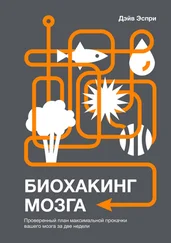


Обсуждение, отзывы о книге «Биохакинг» и просто собственные мнения читателей. Оставьте ваши комментарии, напишите, что Вы думаете о произведении, его смысле или главных героях. Укажите что конкретно понравилось, а что нет, и почему Вы так считаете.