Теэму Арина - Биохакинг
Здесь есть возможность читать онлайн «Теэму Арина - Биохакинг» — ознакомительный отрывок электронной книги совершенно бесплатно, а после прочтения отрывка купить полную версию. В некоторых случаях можно слушать аудио, скачать через торрент в формате fb2 и присутствует краткое содержание. Город: Москва, Год выпуска: 2020, ISBN: 2020, Жанр: Здоровье, на русском языке. Описание произведения, (предисловие) а так же отзывы посетителей доступны на портале библиотеки ЛибКат.

- Название:Биохакинг
- Автор:
- Жанр:
- Год:2020
- Город:Москва
- ISBN:978-5-9614-3110-0
- Рейтинг книги:3 / 5. Голосов: 1
-
Избранное:Добавить в избранное
- Отзывы:
-
Ваша оценка:
Биохакинг: краткое содержание, описание и аннотация
Предлагаем к чтению аннотацию, описание, краткое содержание или предисловие (зависит от того, что написал сам автор книги «Биохакинг»). Если вы не нашли необходимую информацию о книге — напишите в комментариях, мы постараемся отыскать её.
Авторы – практикующий врач Олли Совиярви, специалист по цифровизации Теэму Арина и эксперт по питанию Яакко Халметоя – доступно рассказывают об одной из самых перспективных и спорных тем нашего века.
Теория, изложенная на базе наработок авторов и анализа результатов исследований, подкреплена множеством простых практических рекомендаций.
Биохакинг — читать онлайн ознакомительный отрывок
Ниже представлен текст книги, разбитый по страницам. Система сохранения места последней прочитанной страницы, позволяет с удобством читать онлайн бесплатно книгу «Биохакинг», без необходимости каждый раз заново искать на чём Вы остановились. Поставьте закладку, и сможете в любой момент перейти на страницу, на которой закончили чтение.
Интервал:
Закладка:
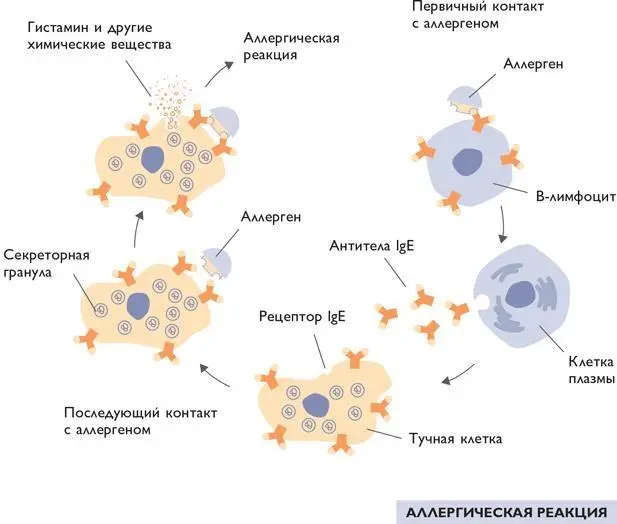
На это стоит обратить внимание, если анализы не показывают явную первопричину, а симптомы все равно присутствуют. Обычно гистамин повышает частоту пульса и вызывает заложенность носа и покраснение кожи.
Гистамин также может вызывать кишечные (диарея, боль в животе) и неврологические (головокружение и головные боли) симптомы. Тирамин может спровоцировать приступ мигрени [147] David, T. (2000). Adverse reactions and intolerance to foods. British Medical Bulletin 56 (1): 34–50.
. Острые гистаминовые реакции можно предотвратить, приняв антигистаминные или ферментные препараты с диаминовой оксидазой.
Продукты, богатые гистамином или другими вазоактивными аминами:
● вино, алкогольный сидр, пиво и другие ферментированные алкогольные напитки;
● ферментированные продукты (квашеная капуста, винный уксус, соевый соус, кефир, йогурт, комбуча);
● выдержанные сыры;
● переработанное мясо (сосиски, ветчина, салями, бекон);
● копченые продукты животного происхождения;
● сухофрукты;
● орехи (грецкий орех, кешью, арахис);
● дрожжи (стимулируют выработку гистамина в пище);
Конец ознакомительного фрагмента.
Текст предоставлен ООО «ЛитРес».
Прочитайте эту книгу целиком, на ЛитРес.
Безопасно оплатить книгу можно банковской картой Visa, MasterCard, Maestro, со счета мобильного телефона, с платежного терминала, в салоне МТС или Связной, через PayPal, WebMoney, Яндекс.Деньги, QIWI Кошелек, бонусными картами или другим удобным Вам способом.
Сноски
1
Источник : Ruckenstein, M. & Pantzar, M. (2015). Beyond the Quantified Self: Thematic exploration of a dataistic paradigm. New Media and Society epub a head of print.
2
Kasasbeh, E. & Chi, D. & Krishnaswamy, G. (2006). Inflammatory aspects of sleep apnea and their cardiovascular consequences. Southern Medical Journal 99 (1): 58–67. Review.
3
Источник : National Sleep Foundation.
4
Carter, P. & Taylor, B. & Williams, S. & Taylor, R. (2011). Longitudinal analysis of sleep in relation to BMI and body fat in children: the FLAME study. British Medical Journal 342: d2712.
5
Robb, G. & Sultana, S. & Ameratunga, S. & Jackson, R. (2008). A systematic review of epidemiological studies investigating risk factors for work-related road traffic crashes and injuries. Injury Prevention 14 (1): 51–58. Review.
6
Boyko, E. et al. (2013). Sleep Characteristics, Mental Health, and Diabetes Risk: A prospective study of U.S. military service members in the Millennium Cohort Study. Diabetes Care 36 (10): 3154–3161.
7
Knutson, K. & Ryden, A. & Mander, B. & Van Cauter, E. (2006). Role of Sleep Duration and Quality in the Risk and Severity of Type 2 Diabetes Mellitus. Archives of Internal Medicine 166 (16): 1768–1774.
8
Baglioni, C. et al. (2011). Insomnia as a predictor of depression: A meta-analytic evaluation of longitudinal epidemiological studies. Journal of Affective Disorders 135 (1–3): 10–19.
9
Cohen, S. & Doyle, W. & Alper, C. & Janicki-Deverts, D. & Turner, R. (2009). Sleep Habits and Susceptibility to the Common Cold. Archives of Internal Medicine 169 (1): 62–67.
10
Bounhoure, J. & Galinier, M. & Didier A. & Leophonte P. (2005). Sleep apnea syndromes and cardiovascular disease. Bull Academy of National Medicine 189 (3): 445–459. Review.
11
Härmä, M. (2007). Uni ja terveys. Duodecim 25 (3): 66–68. [date of reference: 22.7.2013]
12
Suomen virallinen tilasto. Työolotutkimus. Helsinki: Tilastokeskus. [date of reference: 22.7.2013]
13
Wagner, U. & Gais, S. & Haider, H. & Verleger, R. & Born, J. (2004). Sleep inspires insight. Nature 427 (6972): 352–355.
14
Cappuccio, F. & D’Elia, L. & Strazzullo, P. & Miller, M. (2010). Sleep duration and all-cause mortality: a systematic review and meta-analysis of prospective studies. Sleep 33 (5): 585–592. Review.
15
Silber, M. et al. (2007). The visual scoring of sleep in adults. Journal of Clinical Sleep Medicine 3 (2): 121–131.
16
Jha, A. & Krompinger, J. & Baime, M. J. (2007). Mindfulness training modifies subsystems of attention. Cognitive, Affective and Behavioral Neuroscience 7: 109–119.
17
Chambers, R. & Lo, B. & Allen, N. (2008). The impact of intensive mindfulness training on attentional control, cognitive style and affect. Cognitive Therapy and Research 32: 303–322.
18
Young, S. (2011). Biologic effects of mindfulness meditation: growing insights into neurobiologic aspects of the prevention of depression. Journal of Psychiatry and Neuroscience 36 (2): 75–77.
19
Walker, M. & Brakefield, T. & Morgan, A. & Hobson, J. & Stickgold, R. (2002). Practice with sleep makes perfect: sleep-dependent motor skill learning. Neuron 35 (1): 205–211.
20
Guzman-Marin, R. et al. (2008). Rapid eye movement sleep deprivation contributes to reduction of neurogenesis in the hippocampal dentate gyrus of the adult rat. Sleep 31 (2): 167–175.
21
Roffwarg, H. & Muzio, J. & Dement, W. (1966). Ontogenetic development of the human sleep-dream cycle. Science 152 (3722): 604–619.
22
Ellenbogen, J. & Payne, J. & Stickgold R. (2006). The role of sleep in declarative memory consolidation: passive, permissive, active or none? Current Opinion Neurobiology 16 (6): 716–722.
23
Wagner, U. & Gais, S. & Haider, H. & Verleger, R. & Born, J. (2004). Sleep inspires insight. Nature 427 (6972): 352–355.
24
Duffy, J. & Czeisler, C. (2009). Effect of Light on Human Circadian Physiology. Sleep Medicine Clinics 4 (2): 165–177.
Читать дальшеИнтервал:
Закладка:
Похожие книги на «Биохакинг»
Представляем Вашему вниманию похожие книги на «Биохакинг» списком для выбора. Мы отобрали схожую по названию и смыслу литературу в надежде предоставить читателям больше вариантов отыскать новые, интересные, ещё непрочитанные произведения.





Обсуждение, отзывы о книге «Биохакинг» и просто собственные мнения читателей. Оставьте ваши комментарии, напишите, что Вы думаете о произведении, его смысле или главных героях. Укажите что конкретно понравилось, а что нет, и почему Вы так считаете.