Ambrose Bierce - San Francisco Noir 2 - The Classics
Здесь есть возможность читать онлайн «Ambrose Bierce - San Francisco Noir 2 - The Classics» весь текст электронной книги совершенно бесплатно (целиком полную версию без сокращений). В некоторых случаях можно слушать аудио, скачать через торрент в формате fb2 и присутствует краткое содержание. Город: New York, Год выпуска: 2009, ISBN: 2009, Издательство: Akashic Books, Жанр: Детектив, на английском языке. Описание произведения, (предисловие) а так же отзывы посетителей доступны на портале библиотеки ЛибКат.
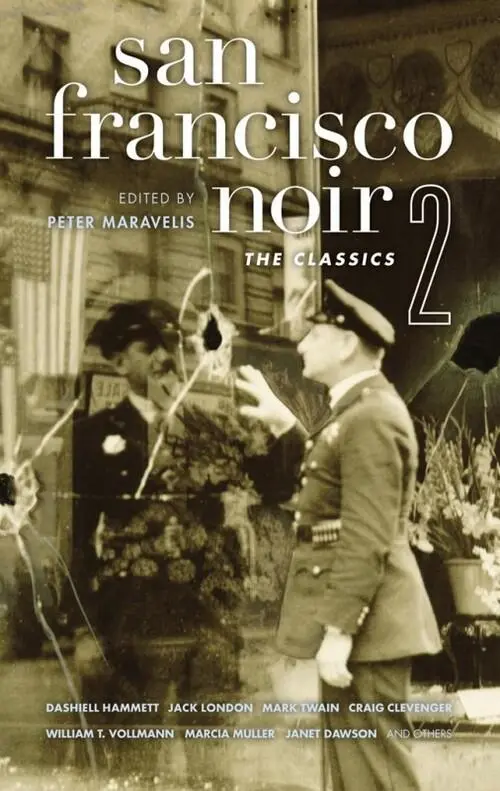
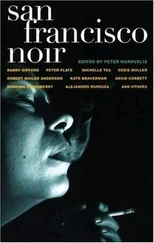
- Название:San Francisco Noir 2: The Classics
- Автор:
- Издательство:Akashic Books
- Жанр:
- Год:2009
- Город:New York
- ISBN:978-1-933354-65-1
- Рейтинг книги:5 / 5. Голосов: 1
-
Избранное:Добавить в избранное
- Отзывы:
-
Ваша оценка:
San Francisco Noir 2: The Classics: краткое содержание, описание и аннотация
Предлагаем к чтению аннотацию, описание, краткое содержание или предисловие (зависит от того, что написал сам автор книги «San Francisco Noir 2: The Classics»). Если вы не нашли необходимую информацию о книге — напишите в комментариях, мы постараемся отыскать её.
, which captures the dark mythology of a world-class locale.
San Francisco Noir 2: The Classics — читать онлайн бесплатно полную книгу (весь текст) целиком
Ниже представлен текст книги, разбитый по страницам. Система сохранения места последней прочитанной страницы, позволяет с удобством читать онлайн бесплатно книгу «San Francisco Noir 2: The Classics», без необходимости каждый раз заново искать на чём Вы остановились. Поставьте закладку, и сможете в любой момент перейти на страницу, на которой закончили чтение.
Интервал:
Закладка:
The bus pulled away. Only a few cars passed, impatiently clogging the corner of 16th and Valencia, then dispersing; pedestrians, with clothes flapping, hurried along in tight groups, as if they were being tumbled by the moist February wind. Blown instead by eagerness to get off the streets before this twilight became dark.
A second cop cruiser arrived, pulling up just around the corner from the first one, which was double-parking with its lights flashing. By now, though, the bruise-eyed hotel manager from New Delhi or Calcutta or wherever was telling the first cop that he hadn’t called anyone; it was a false alarm, probably called in by some junkie he’d evicted, just to harass him. The chunky white cop nodded in watery sympathy. The second cop, a black guy, called to the first through the window of his SFPD cruiser. Then they both split, off to Dunkin’ Donuts. Ash relaxed, checking his watch. Any minute now the armored car would be showing up for the evening money drop-off. There was a run of check cashing after five o’clock.
Ash sipped the dregs of his cappuccino. He thought about the .45 in the shoebox under his bed. He needed target practice. On the slim chance he had to use the gun. The thought made his heart thud, his mouth go dry, his groin tighten. He wasn’t sure if the reaction was fear or anticipation.
This, now, this was being alive. Planning a robbery, executing a robbery. Pushing back at the world. Making a dent in it, this time. For thirty-nine years his responses to the world’s bullying and indifference had been measured and careful and more or less passive. He’d played the game, pretending that he didn’t know the dealer was stacking the cards. He’d worked faithfully, first for Grenoble Insurance, then for Serenity Insurance, a total of seventeen years. And it had made no difference at all. When the recession came, Ash’s middle management job was jettisoned like so much trash.
It shouldn’t have surprised him. First at Grenoble, then at Serenity, Ash had watched helplessly as policy-holders had been summarily cut off by the insurance companies at the time of their greatest need. Every year, thousands of people with cancer, with AIDS, with accident paraplegia, cut off from the benefits they’d spent years paying for; shoved through the numerous loopholes that insurance industry lobbyists worked into the laws. That should have told him: if they’d do it to some ten-year-old kid with leukemia — and, God, they did it every damn day — they’d do it to Ash. Come the recession, bang, Ash was out on his ear with the minimum in benefits.
And the minimum flat-out wasn’t enough.
Fumbling through the “casing process,” Ash made a few more perfunctory notes as he waited for the armored car. His hobbyhorse reading was books about crime and the books had told him that professional criminals cased the place by taking copious notes about the surroundings. Next to Any Kind Check Cashing was Lee Zong, Hairstyling for Men and Women. Next to that, Starshine Video, owned by a Pakistani. On the Valencia side was the Casa Valencia entrance — the hotel rooms were layered above the Salvadoran restaurant, a dry cleaners, a leftist bookstore. Across the street, opposite the espresso place, was Casa Lucas Productos, a Hispanic supermarket, selling fruit and cactus pears and red bananas and plantains and beans by the fifty-pound bag. It was a hardy leftover from the days when this was an entirely Hispanic neighborhood. Now it was as much Korean and Arab and Hindu.
Two doors down from the check-cashing scam, in front of a liquor store, a black guy in a dirty, hooded sweatshirt stationed himself in front of passing pedestrians, blocking them like a linebacker to make it harder to avoid his outstretched hand.
That could be me, soon, Ash thought. I’m doing the right thing. One good hit to pay for a business franchise of some kind, something that’d do well in a recession. Maybe a movie theater. People needed to escape. Or maybe his own checkcashing business — with better security.
Ash glanced to the left, down the street, toward the entrance to the BART station: San Francisco’s subway, this entrance only one short block from the check-cashing center. At five-eighteen, give or take a minute, a north-bound subway would hit the platform, pause for a moment, then zip off down the tunnel. Ash would be on it, with the money; escaping more efficiently than he could ever hope to, driving a car in city traffic. And more anonymously.
The only problem would be getting to the subway station handily. He was five-six, and pudgy, his legs a bit short, his wind even shorter. He was going to have to sprint that block and hope no one played hero. If he knew San Francisco, though, no one would.
He looked back at the check-cashing center just in time to see the Armored Transport of California truck pull up. He checked his watch: as with last week, just about five-twelve. There was a picture insignia of a knight’s helmet on the side of the truck. The rest of the truck painted half black and half white, which was supposed to suggest police colors, scare thieves. Ash wouldn’t be intimidated by a paint job.
He’d heard that on Monday afternoons they brought about fifteen grand into that check-cashing center. Enough for a down payment on a franchise, somewhere, once he’d laundered the money in Reno.
Now, he watched as the old, white-haired black guard, in his black and white uniform, wheezed out the back of the armored car, carrying the canvas sacks of cash. Not looking to the right or left, no one covering him. His gun strapped into its holster.
The old nitwit was as ridiculously overconfident as he was overweight, Ash thought. Probably never had any trouble. First time for everything, Uncle Remus.
He watched intently as the guard waddled into the checkcashing center. Ash checked his watch, timing the pick-up process, though he wasn’t sure why he should, since he was planning to rob him on the way in, not on the way out. But he had the impression from the books that you were supposed to time everything. The reasons would come clear later.
A bony, stooped Chicano street eccentric — aging, toothless, with a squiggle of black mustache and sloppily dyed black hair — paraded up the sidewalk to stand directly in front of Ash’s window. Crazy old fruit, Ash thought. A familiar figure on the street here. He was wearing a Santa Claus hat tricked out with junk jewelry, a tattered gold lamé jacket, thick mascara and eyeliner, and a rose erupting a penis crudely painted on his weathered cheek. The inevitable trash-brimmed shopping bag in one hand, in the other a cane made into a mystical staff of office with the gold-painted plastic roses duct-taped to the top end.
As usual the crazy old fuck was babbling free-form imprecations, his spittle making whiteheads on the window glass. “Damnfuckya!” came muffled through the glass. “Damnfuckya for ya abandoned city, ya abandoned city and now their gods are taking away, taking like a bend-over boy yes, damnfuckya! Yoruba Orisha! The Orisha, cabrón! Holy shit on a wheel! Hijo de puta! Ya doot, ya pay, they watch, they pray, they take like a bend-over boy ya! El-Elegba Ishu at your crossroads shithead pendejo! LSD not the godblood now praise the days! Damnfuckya be sorry! Orisha them Yoruba cabrones! ”
Yoruba Orisha. Sounded familiar.
“Godfuckya Orisha sniff ’round, vamanos! Chinga tu madre! ”
Maybe the old fruit was a Santeria loony. Santeria was the Hispanic equivalent of Yoruba, and now he was foaming at the mouth about the growth of his weird little cult’s power. Or maybe he’d done too much acid in the sixties. Or both.
The Lebanese guys who ran the espresso place, trying to fake it as a chic croissant espresso parlor, went out onto the sidewalk to chase the old shrieker away. But Ash was through here, anyway. It was time to go to the indoor range, to practice with the gun.
Читать дальшеИнтервал:
Закладка:
Похожие книги на «San Francisco Noir 2: The Classics»
Представляем Вашему вниманию похожие книги на «San Francisco Noir 2: The Classics» списком для выбора. Мы отобрали схожую по названию и смыслу литературу в надежде предоставить читателям больше вариантов отыскать новые, интересные, ещё непрочитанные произведения.



Обсуждение, отзывы о книге «San Francisco Noir 2: The Classics» и просто собственные мнения читателей. Оставьте ваши комментарии, напишите, что Вы думаете о произведении, его смысле или главных героях. Укажите что конкретно понравилось, а что нет, и почему Вы так считаете.