Пользователь - o 3b3e7475144cf77c
Здесь есть возможность читать онлайн «Пользователь - o 3b3e7475144cf77c» весь текст электронной книги совершенно бесплатно (целиком полную версию без сокращений). В некоторых случаях можно слушать аудио, скачать через торрент в формате fb2 и присутствует краткое содержание. Жанр: Старинная литература, на русском языке. Описание произведения, (предисловие) а так же отзывы посетителей доступны на портале библиотеки ЛибКат.
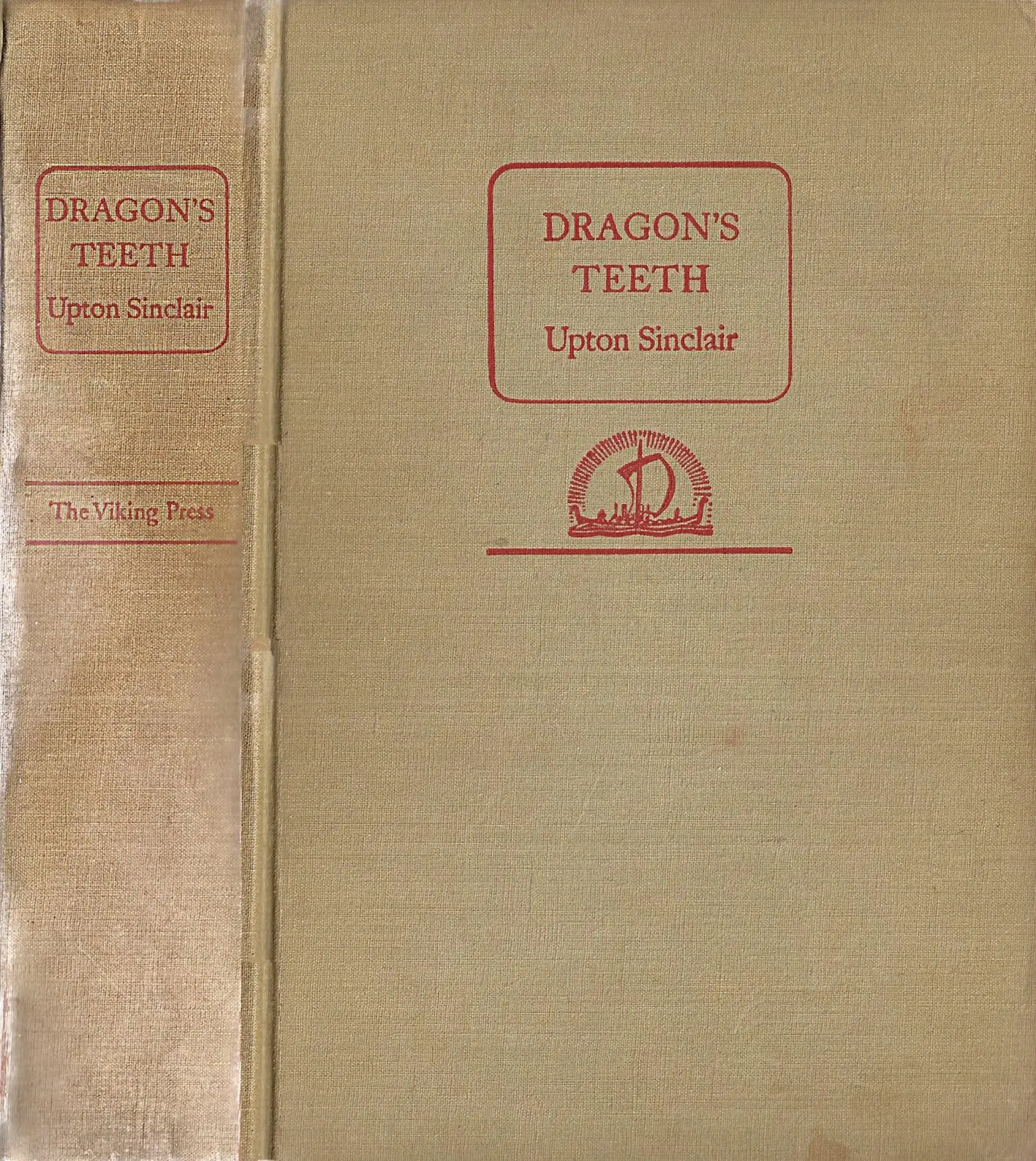
- Название:o 3b3e7475144cf77c
- Автор:
- Жанр:
- Год:неизвестен
- ISBN:нет данных
- Рейтинг книги:4 / 5. Голосов: 1
-
Избранное:Добавить в избранное
- Отзывы:
-
Ваша оценка:
o 3b3e7475144cf77c: краткое содержание, описание и аннотация
Предлагаем к чтению аннотацию, описание, краткое содержание или предисловие (зависит от того, что написал сам автор книги «o 3b3e7475144cf77c»). Если вы не нашли необходимую информацию о книге — напишите в комментариях, мы постараемся отыскать её.
o 3b3e7475144cf77c — читать онлайн бесплатно полную книгу (весь текст) целиком
Ниже представлен текст книги, разбитый по страницам. Система сохранения места последней прочитанной страницы, позволяет с удобством читать онлайн бесплатно книгу «o 3b3e7475144cf77c», без необходимости каждый раз заново искать на чём Вы остановились. Поставьте закладку, и сможете в любой момент перейти на страницу, на которой закончили чтение.
Интервал:
Закладка:
with bourgeois ladies, and knew their minds, and just when they were engaged in
manipulating him, and what for. He tried to play fair about it, and not give too much of Irma's
money to the refugees, and not so much of his own that he would be caught without funds.
This meant that he, too, had to do a lot of dodging and making of excuses to the unfortunates;
and then he would feel ashamed of himself, and more sick at heart than ever, because the
world wasn't what he wanted it to be, norwas he the noble and generous soul he would have
preferred to believe himself.
III
In spite of the best efforts in the world, Lanny found it impossible to keep out of arguments
with the people he met. Political and economic affairs kept forcing themselves upon him.
People who came to the house wanted to talk about what was happening in Germany, and to
know what he thought—or perhaps they already knew, and were moved to challenge him.
Nobody had been better trained in drawing-room manners than Beauty Budd's son, but in
these times even French urbanity would fail; people couldn't listen to ideas which they
considered outrageous without giving some signs of disapproval. Gone were the old days when
it was a gossip tidbit that Mr. Irma Barnes was a Pink and that his wife was upset about it;
now it was a serious matter, and quite insufferable.
"I thought you said you were not a Communist," remarked Madame de Cloisson, the
banker's wife, with acid in her tone.
"I am not, Madame. I am only defending those fundamental liberties which have been the
glory of the French Republic."
"Liberties which the Communists repudiate, I am told!"
"Even so, Madame, we do not wish to make ourselves like them, or to surrender what we
hold dear."
"That sounds very well, but it means that you are doing exactly what they would wish to have
done."
That was all, but it was enough. Madame de Cloisson was a grande dame, and her influence
might mean success or failure to an American woman with social ambitions. Irma didn't hear
this passage at arms, but some kind friend was at pains to tell her about it, and she knew that
it might cancel the efforts she had been making during the past year. But still she didn't say
anything; she wanted to be fair, and she knew that Lanny had been fair—he had told her about
his eccentricities before he asked for her, and she had taken him on his own terms. It was
her hard luck that she hadn't realized what it would mean to have a husband dyed a shade
of Pink so deep thatthe bourgeois mind couldn't tell it from scarlet.
IV
The new Reichstag was summoned promptly. It met in Potsdam, home of the old glories of
Prussia, and Hitler applied his genius to the invention of ceremonies to express his patriotic
intentions and to arouse the hopes of the German Volk. All the land burst out with flags—the
new Hakenkreuz flag, which the Cabinet had decreed should replace that of the dying
Republic. Once more the beacons blazed on the hilltops, and there were torchlight parades of
all the Nazi organizations, and of students and children. Hitler laid a wreath on the tomb of his
dead comrades. Hindenburg opened the Reichstag, and the ceremonies were broadcast to all the
schools. The "Bohemian corporal" delivered one of his inspired addresses, in which he told his
former Field Marshal that by making him Chancellor he had "consummated the marriage
between the symbols of ancient glory and of young might."
Hitler wanted two things: to get the mastery of Germany, and to be let alone by the outside
world while he was doing it. When the Reichstag began its regular sessions, in the Kroll Opera
House in Berlin, he delivered a carefully prepared address in which he declared that it was the
Communists who had fired the Reichstag building, and that their treason was to be "blotted
out with barbaric ruthlessness." He told the rich that "capital serves business, and business the
people"; that there was to be "strongest support of private initiative and the recognition of
property." The rich could have asked no more. To the German peasants he promised "rescue," and
to the army of the unemployed "restoration to the productive process."
To enable him to carry out this program he asked for a grant of power in a trickily worded
measure which he called a "law for the lifting of want from the people and empire." The
purpose of the law was to permit the present Cabinet, and the present Cabinet alone, to
make laws and spend money without consulting the Reichstag; but it didn't say that; it
merely repealed by number those articles in the Constitution which reserved these crucial
powers to the Reichstag. The new grant was to come to an end in four years, and sooner if any
other Cabinet came into office. Nobody but Adolf was ever to be the Führer of Germany!
This device was in accord with the new Chancellor's "legality complex"; he would get the
tools of power into his hands by what the great mass of the people would accept as due process of
law. His speech in support of the measure was shrewdly contrived to meet the prejudices of all
the different parties, except the Communists, who had been barred from their seats, and the
Socialists, who were soon to share that fate. A mob of armed Nazis stood outside the building,
shouting their demands that the act be passed, and it carried by a vote of 441 to 94, the
dissenters being Socialists. Then Goring, President of the Reichstag, declared the session
adjourned, and so a great people lost their liberties while rejoicing over gaining them.
V
During this period there were excitements in the United States as well as in Germany. Crises
and failures became epidemic; in one state after another it was necessary for the governor to
decree a closing of all the banks. Robbie Budd wrote that it was because the people of the
country couldn't contemplate the prospect of having their affairs managed by a Democrat.
When the new President was inaugurated—which fell upon the day before the Hitler elections
— his first action was to order the closing of all the banks in the United States—which to
Robbie was about the same thing as the ending of the world. His letter on the subject was so
pessimistic that his son was moved to send him a cablegram: "Cheer up you will still eat."
Really it wasn't as bad as everybody had expected. People took it as a joke; the richest man in
the country might happen to have only a few dimes in his pocket, and that was all he had,
and his friends thought it was funny, and he had to laugh, too. But everybody trusted him, and
took his checks, so he could have whatever he wanted, the same as before. Robbie didn't miss a
meal, nor did any other Budd. Meanwhile they listened to a magnificent radio voice telling
them with calm confidence that the new government was going to act, and act quickly, and that
all the problems of the country were going to be solved. The New Deal was getting under way.
The first step was to join Britain and the other nations off the gold standard. To Robbie it
meant inflation, and that his country was going to see what Germany had seen. The next thing
was to sort out the banks, and decide which were sound and in position to open with
government backing. The effect of that was to move Wall Street to Washington; the
government became the center of power, and the bankers came hurrying with their lawyers
and their brief-cases. A harum-scarum sort of affair, in which all sorts of blunders were made;
Читать дальшеИнтервал:
Закладка:
Похожие книги на «o 3b3e7475144cf77c»
Представляем Вашему вниманию похожие книги на «o 3b3e7475144cf77c» списком для выбора. Мы отобрали схожую по названию и смыслу литературу в надежде предоставить читателям больше вариантов отыскать новые, интересные, ещё непрочитанные произведения.



Обсуждение, отзывы о книге «o 3b3e7475144cf77c» и просто собственные мнения читателей. Оставьте ваши комментарии, напишите, что Вы думаете о произведении, его смысле или главных героях. Укажите что конкретно понравилось, а что нет, и почему Вы так считаете.