Пользователь - o 3b3e7475144cf77c
Здесь есть возможность читать онлайн «Пользователь - o 3b3e7475144cf77c» весь текст электронной книги совершенно бесплатно (целиком полную версию без сокращений). В некоторых случаях можно слушать аудио, скачать через торрент в формате fb2 и присутствует краткое содержание. Жанр: Старинная литература, на русском языке. Описание произведения, (предисловие) а так же отзывы посетителей доступны на портале библиотеки ЛибКат.
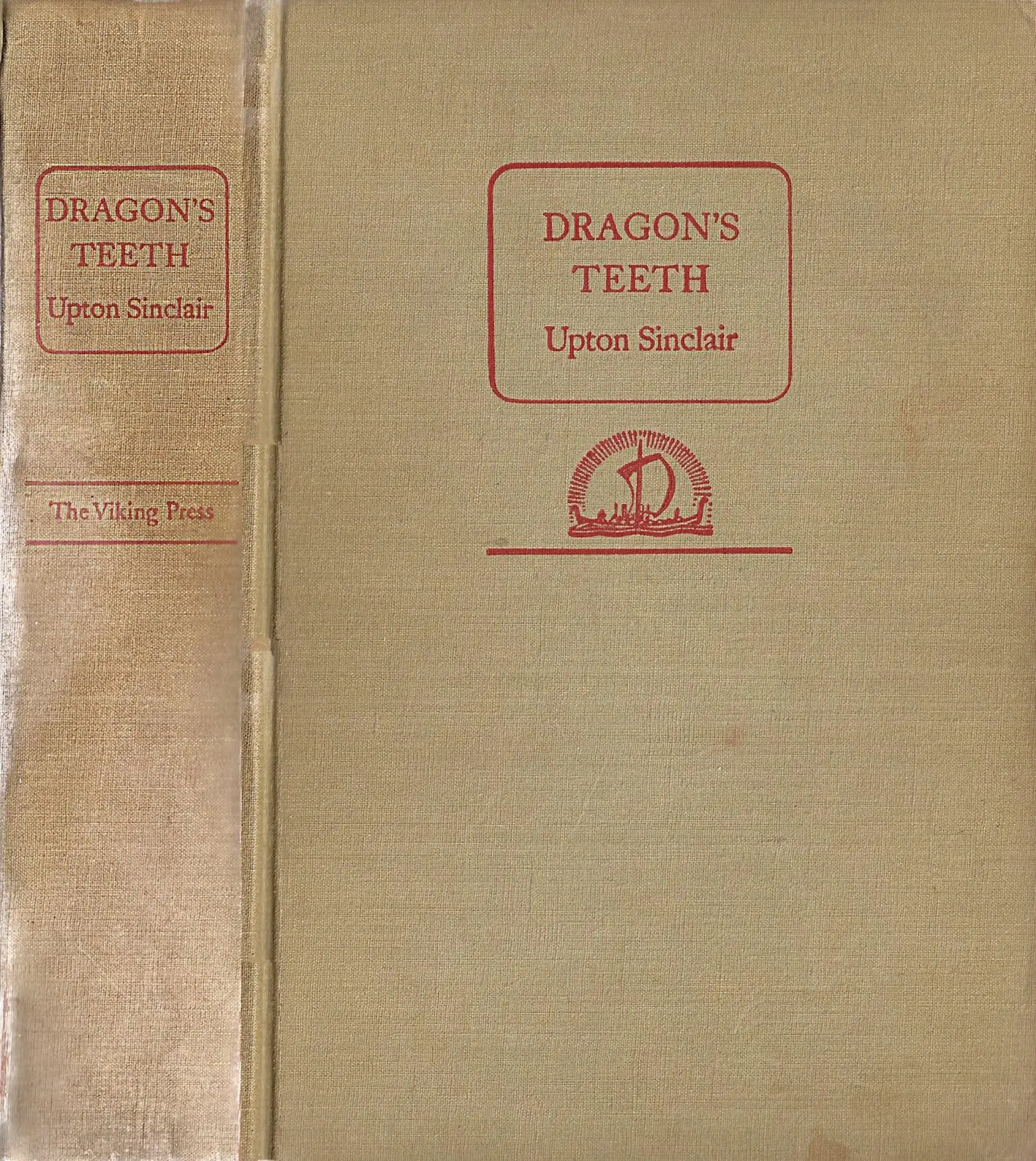
- Название:o 3b3e7475144cf77c
- Автор:
- Жанр:
- Год:неизвестен
- ISBN:нет данных
- Рейтинг книги:4 / 5. Голосов: 1
-
Избранное:Добавить в избранное
- Отзывы:
-
Ваша оценка:
o 3b3e7475144cf77c: краткое содержание, описание и аннотация
Предлагаем к чтению аннотацию, описание, краткое содержание или предисловие (зависит от того, что написал сам автор книги «o 3b3e7475144cf77c»). Если вы не нашли необходимую информацию о книге — напишите в комментариях, мы постараемся отыскать её.
o 3b3e7475144cf77c — читать онлайн бесплатно полную книгу (весь текст) целиком
Ниже представлен текст книги, разбитый по страницам. Система сохранения места последней прочитанной страницы, позволяет с удобством читать онлайн бесплатно книгу «o 3b3e7475144cf77c», без необходимости каждый раз заново искать на чём Вы остановились. Поставьте закладку, и сможете в любой момент перейти на страницу, на которой закончили чтение.
Интервал:
Закладка:
everyday life. Men who preached that matter and force were the bases of life, the sole
reality, were tempted to apply this dogma in their own lives; when they got a little power
they thought about keeping it, and forgot their solidarity with the humble toilers. People had
to believe in moral force, they had to let love count in the world, they had to be willing to
make sacrifices of their own comfort, their own jobs and salaries, yes, even their lives, if need
be. It was lack of that living spirit of brotherhood and solidarity which had made it possible for
Otto Braun, Social-Democratic Premier of the Prussian state, and Karl Severing, Minister of
the Interior, to bow to the threats of monocled aristocrats, and slink off to their villas without
making the least effort to rouse the people to defend their republic and the liberties it
guaranteed them.
Lanny thought: "Here, at last, is a German who understands what freedom means!"
VI
On a Sunday, the last day of July, more than thirty-seven million citizens of the German
Republic, both men and women, went to the polls and registered their choice for deputies to
represent them in the Reichstag. As compared with the elections of two years previ ously, the
Socialists lost some six hundred thousand votes, the Communists gained as many, while the
Nazis increased their vote from six and a half million to fourteen million. They elected two
hundred and thirty deputies out of a total of six hundred and eight-outnumbering the
Socialists and Communists, even if combined, which they wouldn't. So from then on it became
impossible for anyone to govern Germany without Adolf Hitler's consent.
There began a long series of intrigues and pulling of wires behind the scenes. Johannes
would report events to Lanny, and also to Lanny's father, who had come over for a
conference with his associate and went for a short cruise on the Bessie Budd. The politicians
of the right, who had polled less than five per cent of the vote, nevertheless hung on to power,
trying to persuade Hitler to come into their cabinet, so that they might flatter him and smooth
him down as had been done with MacDonald in England. They would offer him this post and
that; they would try to win his followers away from him—and Adi would summon the
waverers to his presence and scream at them hysterically. When he couldn't get his way he
would threaten suicide, and his followers never knew whether he meant it or not.
A great event in Berlin life when the haughty old Field Marshal consented to receive the
"Bohemian corporal." Hitler was driven to the Wilhelmstrasse, with crowds cheering him on
the way. He had lunch with von Papen, the Chancellor whose post he was demanding, and
when he was escorted into the presence of Hindenburg he was so nervous that he stumbled
over a rug; he started one of his orations, just like Gladstone before Queen Victoria, and had to
be stopped by his old commander. Hindenburg told him that he would not turn over the
chancellorship to a man whose followers practiced terrorism and systematic violations of the
law; he thought the vice-chancellorship was enough for such a man. But Hitler refused it,
demanding full power. The aged Junker stormed, but the ex-corporal had been brought up on
that, and all he would reply was: "Opposition to the last ditch." Said Hindenburg: "Ich will
meine Ruhe haben!"
There began a new wave of terrorism; attacks upon Reds of all shades by the Nazi
Stormtroopers in and out of uniform. Irma heard about it and began begging Lanny to cease
his visits among these people; she tried to enlist Robbie's help, and when that failed she
wanted to leave Berlin. What was this obscure tropism which drove her husband to the
companionship of persons who at the least wanted to get his money from him, and frequently
were conspiring to involve him in dangerous intrigues? What had they ever done for him?
What could he possibly owe them?
Lanny insisted that he had to hear all sides. He invited Emil Meissner to lunch—not in the
Robin home, for Emil wouldn't come there. Kurt's oldest brother was now a colonel, and Lanny
wanted to know what a Prussian officer thought about the political dead-lock. Emil said it was
deplorable, and agreed with Lanny that the Nazis were wholly unfitted to govern Germany.
He said that if von Papen had been a really strong man he would never have permitted that
election to be held; if the Field Marshal had been the man of the old days he would have taken
the reins in his hands and governed the country until the economic crisis had passed and the
people could settle into a normal state of mind.
"But wouldn't that mean the end of the Republic?" asked Lanny.
"Republics come and go, but nations endure," said Oberst Meissner.
VII
Heinrich Jung called up, bursting with pride over the triumph of his party. He offered to tell
Lanny the inside story, and Lanny said: "But I am consorting with your enemies." The other
laughed and replied: "Then you can tell me the inside story!" He seemed to take the view that
Lanny, an American, was above the battle. Was it that a young Nazi craved the admiration of a
foreigner? Was there in his secret heart some pleasure in free discussion, the ex pression of
unbiased opinion which he did not get from his party press? Or was it that Lanny was so rich,
and looked like a figure out of a Hollywood movie?
The Jung family had been increased again. "More Junkers," said Lanny, with what seemed a
pun to him. Heinrich's salary had been increased and he had moved into a larger home. He
had invited Hugo Behr, and the three of them sat for a couple of hours sipping light beer and
settling the destiny of Germany and its neighbors. Lanny was interested to observe that there
were disagreements among Nazi intellectuals, as elsewhere; the two names of Hitler's party
covered widely different and inconsistent points of view. Heinrich was the National and Hugo
was the Socialist, and while they agreed in workingclass consciousness and the program of
socialization; whereas Heinrich, son of one of Graf Stubendorf's employees, had the mentality of
a Prussian state servant to whom Ordnung und Zucht were the breath of being.
Lanny thought there was drama in this, and that it might pay an English playwright to
come to Berlin and study what was going on. He had suggested the idea to Rick, who hadn't
thought the Nazi movement important enough; but maybe the recent vote would change his
mind! Anyhow, Lanny was interested to listen to two young zealots, setting out to make the
world over in the image of their inspired leader; it pleased him to take a mental crow bar and
insert it in the crack between their minds and make it wider and deeper. Just how deep
would it go before they became aware of it themselves?
Lanny couldn't tell them what he knew. He couldn't say to Hugo: "Your Führer is in the
thick of negotiations with Thyssen, and Krupp von Bohlen, and Karl von Siemens, and others
of the greediest industrialists of your country. He is making fresh promises of conservatism
and legality. He will do anything to get power, and anything to keep it. You and your friends
are just so many pawns that he moves here and there and will sacrifice when his game requires
it." No, for they would ask: "How do you know this?" And he couldn't reply: "Fritz Thyssen
told my father yesterday." They would assume that he had got the stories from Johannes
Robin, a Jew, which would mean to them two things: first, that the stories were lies, and
Читать дальшеИнтервал:
Закладка:
Похожие книги на «o 3b3e7475144cf77c»
Представляем Вашему вниманию похожие книги на «o 3b3e7475144cf77c» списком для выбора. Мы отобрали схожую по названию и смыслу литературу в надежде предоставить читателям больше вариантов отыскать новые, интересные, ещё непрочитанные произведения.



Обсуждение, отзывы о книге «o 3b3e7475144cf77c» и просто собственные мнения читателей. Оставьте ваши комментарии, напишите, что Вы думаете о произведении, его смысле или главных героях. Укажите что конкретно понравилось, а что нет, и почему Вы так считаете.