C. Box - Endangered
Здесь есть возможность читать онлайн «C. Box - Endangered» весь текст электронной книги совершенно бесплатно (целиком полную версию без сокращений). В некоторых случаях можно слушать аудио, скачать через торрент в формате fb2 и присутствует краткое содержание. Год выпуска: 2015, Издательство: Putnam Adult, Жанр: Старинная литература, на английском языке. Описание произведения, (предисловие) а так же отзывы посетителей доступны на портале библиотеки ЛибКат.
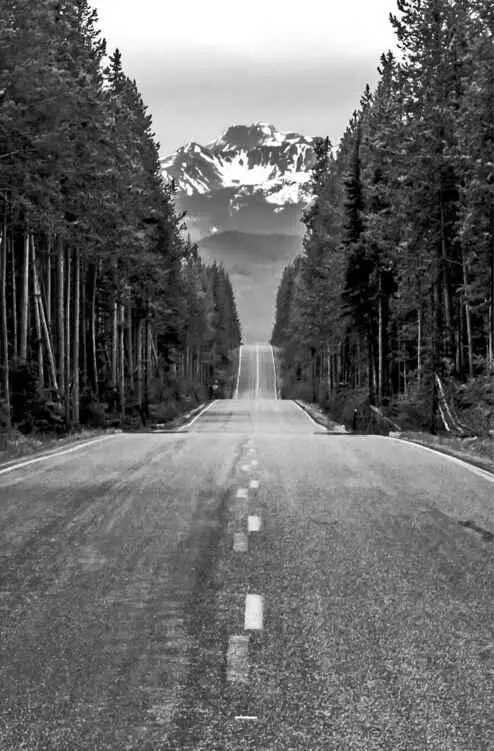
- Название:Endangered
- Автор:
- Издательство:Putnam Adult
- Жанр:
- Год:2015
- ISBN:нет данных
- Рейтинг книги:3 / 5. Голосов: 1
-
Избранное:Добавить в избранное
- Отзывы:
-
Ваша оценка:
Endangered: краткое содержание, описание и аннотация
Предлагаем к чтению аннотацию, описание, краткое содержание или предисловие (зависит от того, что написал сам автор книги «Endangered»). Если вы не нашли необходимую информацию о книге — напишите в комментариях, мы постараемся отыскать её.
She was gone. Joe Pickett had good reason to dislike Dallas Cates, even if he was a rodeo champion, and now he has even more—Joe’s eighteen-year-old ward, April, has run off with him.
And then comes even worse news: The body of a girl has been found in a ditch along the highway—alive, but just barely, the victim of blunt force trauma. It is April, and the doctors aren’t sure if she’ll recover. Cates denies having anything to do with it—says she ran away from him, too—and there’s evidence that points to another man. But Joe knows in his gut who’s responsible. What he doesn’t know is the kind of danger he’s about to encounter. Cates is bad enough, but Cates’s family is like none Joe has ever met before.
Joe’s going to find out the truth, even if it kills him. But this time, it just might.
Review
'I love Joe Pickett' Michael Connelly. 'Solid-gold A-list must-read' Lee Child. 'Heart-stoppingly good' Daily Mail.
Endangered — читать онлайн бесплатно полную книгу (весь текст) целиком
Ниже представлен текст книги, разбитый по страницам. Система сохранения места последней прочитанной страницы, позволяет с удобством читать онлайн бесплатно книгу «Endangered», без необходимости каждый раз заново искать на чём Вы остановились. Поставьте закладку, и сможете в любой момент перейти на страницу, на которой закончили чтение.
Интервал:
Закладка:
“Yup.”
“He’s a crap-weasel. I’ll go over his head. Maybe by the time you get here, we’ll know more.”
“I appreciate that,” Joe said.
“I’m fading fast,” Rulon said. “You’re a good man, Joe. Good night.”
“Good—”
Rulon had terminated the call before Joe said, “Bye.”
—
IT WAS DUSK when Joe cruised through the rows of cars in the parking lot of the Holiday Inn. The lot was nearly full, which used to be unusual in March because it wasn’t yet tourist season. Things had changed, though, because the lot was filled with muddy oil service trucks on their way to—or from—the oil boom in North Dakota. Saddlestring was a logical halfway point between Denver and the Bakken formation, where the oil had been discovered.
It didn’t take long to find the white U.S. government pickup used by Annie Hatch and Revis Wentworth. For one thing, it was one of the few vehicles that had been recently run through a car wash. That in itself, Joe found interesting.
Since Wentworth was headquartered in Denver, he stayed at the hotel while he was in the area. Hatch lived in a rental in town, next door to her yoga studio.
Joe parked his pickup on the side of the hotel so it couldn’t be seen from any of the south-facing guest-room windows, and he carried his evidence kit through the parking lot.
When he found the white truck, he ducked down and opened his valise. Despite the fact that the outside of the pickup was clean, he ran his hand under the inside of the rear wheel wells and found a coating of dried mud. If analysis later proved that the soil was picked up in the vicinity of Lek 64, Joe knew, it proved nothing. Wentworth and Hatch had been in that area several times, including the night Joe discovered the crime. But if he could find mud that was embedded with feathers or sage grouse blood, well, even that was a reach .
Joe did it anyway.
When the evidence envelopes were filled with flakes of mud and labeled, he carefully photographed the tread on all four tires. If the tracks he’d photographed in the middle of Lek 64 matched up with the tread of the government pickup, he might have something. The allegation could be corroborated by Eldon Cates.
Wentworth and Hatch could claim that of course they’d left tracks when they got lost that night in the snow, but the time stamp on Joe’s shots would shoot that down.
It was circumstantial, but it was something, Joe thought.
And what about the shotgun shells? If he could find a half-empty box of 12-gauge shells in Wentworth’s room or Hatch’s home that were the same brand and shot quantity of the spent shells he’d found . . .
Then he smacked his forehead with the heel of his hand, nearly knocking his hat off. The realization hit him like a mule kick.
Hatch and Wentworth had been very concerned about the evidence Joe had gathered at Lek 64. Joe’d assumed they were concerned that he’d take too long, or that the state lab would somehow botch the analysis.
Given the circumstances, Joe had willingly handed over the box of evidence to them. He’d retained nothing but the photographs that were preserved on the memory card of his camera.
He thought:
What if they’d tampered with the evidence before sending it to Denver to their federal lab? Maybe changing out the photos he’d copied to a CD, or replacing or removing the spent shells?
What if they hadn’t even bothered to send it in?
If either thing had happened, Joe knew, he had nothing to tie the government vehicle to Lek 64 the night the sage grouse were wiped out.
—
JOE SHOOK HIS HEAD as he returned to his pickup. Before ducking around the side of the building, he looked up to see if he had any observers in the four-floor building.
At the second window on the third floor, Revis Wentworth stepped back. A moment later, the curtain was pulled shut.
Joe had been caught, he knew.
So how would he play it now?
—
HE PULLED HIMSELF inside his vehicle and started it up while punching the speed dial on his phone to his home number.
When Marybeth answered, he asked, “How long before dinner?”
“Why?” she asked, suspicious.
“I might have a break in the sage grouse case, and I have to act fast. I don’t want the suspects talking to each other before I get to them.”
Marybeth sighed. It was a familiar conversation to both of them. “We eat at seven,” she said. “You have an hour.”
“That should be enough,” he said, wheeling out of the parking lot.
—
WHILE JOE DROVE DOWN the streets of the subdivision Annie Hatch lived in, he mulled things over.
If his suspicions were correct, it meant two federal employees charged with preserving sage grouse and overseeing their protection had wiped out an entire flock.
It made no sense.
He again recalled what Lucy had observed out the front window of his house when Hatch and Wentworth had come to talk to him.
Maybe . . .
—
ANNIE HATCH lived in a small but well-appointed single-family home on Third Street. Next door was her Bighorn Valley Yoga Studio. A Prius in the driveway had bumper stickers that read CERTIFIED YOGA INSTRUCTOR and MY OTHER CAR IS A YOGA MAT. So she was home.
As he approached her door, he heard a phone buzzing from inside. He suspected it was Wentworth calling her to tell her what he’d seen in the parking lot. Joe knocked sharply, hoping she’d choose to answer her door before picking up her phone.
The phone continued to buzz and he heard no footfalls from inside. He knocked again, then leaned over the side of the porch so he could see into her living room from the nearby window. The television was on and a cat was curled up on top of a couch, staring at him. But no Annie.
For a moment, he thought the worst. Would an unanswered phone constitute enough probable cause to enter her home? He knew it wouldn’t, but he twisted the screen door handle anyway. It wasn’t locked. That wasn’t unusual anywhere in Saddlestring.
He knocked again while he tried the doorknob. It was unlocked as well.
Joe glanced right and left down the street. It was deserted except for parked cars and trucks. No doubt the cool weather had kept the kids inside. He cracked the door open and leaned his head into the house.
“Annie? It’s Joe Pickett.”
No response. He looked around. There was a crumpled afghan on the couch in front of the television. It looked as though she’d thrown it aside moments before. He could smell popcorn from the direction of the kitchen.
“Annie?”
Her cell phone danced unanswered across a breakfast bar within view. Joe entered and snatched the phone up.
The display read: REVIS.
He quickly put it down and backed out toward the door. The cat watched him the whole time with dead button eyes and never flinched.
He was stepping out onto the porch when Annie Hatch said, “Joe, what are you doing in my house?” She was coming from the yoga studio, carrying a mop and bucket. And she was angry.
After being startled, he recovered and said, “I think you know why I’m here.”
—
BUT SHE DIDN’T. Joe could tell from her expression and the way she lowered the bucket and crossed her arms over her breasts without taking her eyes off him that she was harboring no guilt about anything. She was just miffed she’d caught him coming out of her house.
“Just tell me what you were doing in there,” she said.
“I heard the phone ringing inside, and when you didn’t answer it, I got worried about your well-being,” he said.
“That’s nice, I guess,” she said. “Still, you shouldn’t enter someone’s house.”
“You’re right,” Joe said. “I shouldn’t.”
“Did you answer my phone?” she asked, curiosity working its way through her anger.
Читать дальшеИнтервал:
Закладка:
Похожие книги на «Endangered»
Представляем Вашему вниманию похожие книги на «Endangered» списком для выбора. Мы отобрали схожую по названию и смыслу литературу в надежде предоставить читателям больше вариантов отыскать новые, интересные, ещё непрочитанные произведения.










Обсуждение, отзывы о книге «Endangered» и просто собственные мнения читателей. Оставьте ваши комментарии, напишите, что Вы думаете о произведении, его смысле или главных героях. Укажите что конкретно понравилось, а что нет, и почему Вы так считаете.