Philippa Gregory - Wideacre
Здесь есть возможность читать онлайн «Philippa Gregory - Wideacre» — ознакомительный отрывок электронной книги совершенно бесплатно, а после прочтения отрывка купить полную версию. В некоторых случаях можно слушать аудио, скачать через торрент в формате fb2 и присутствует краткое содержание. Жанр: Старинная литература, на английском языке. Описание произведения, (предисловие) а так же отзывы посетителей доступны на портале библиотеки ЛибКат.

- Название:Wideacre
- Автор:
- Жанр:
- Год:неизвестен
- ISBN:нет данных
- Рейтинг книги:3 / 5. Голосов: 1
-
Избранное:Добавить в избранное
- Отзывы:
-
Ваша оценка:
Wideacre: краткое содержание, описание и аннотация
Предлагаем к чтению аннотацию, описание, краткое содержание или предисловие (зависит от того, что написал сам автор книги «Wideacre»). Если вы не нашли необходимую информацию о книге — напишите в комментариях, мы постараемся отыскать её.
From Publishers Weekly
Gregory's full-blown first novel is a marvelously assured period piece, an English gothic with narrative verve. Beatrice Lacey loves nothing more than the family estate, Wideacrenot her bluff, hearty father, her weak brother, Harry, or her mother, who can't quite believe mounting evidence that damns her passionate daughter. Foiled in her hunger to own the estate by the 18th century laws of entail, Beatrice plots her father's death, knowing she can twist Harry in any direction she chooses, for her brother harbors a dark, perverted secret. Their incestuous tangle is not broken even by Harry's marriage. And while a bounteous harvest multiplies, no one gainsays the young squire and his sister, the true master of Wideacre. Beatrice marries also, managing to hide the paternity of two children sired by Harry until her increasing greed squeezes the land and its people dry, and the seeds of destruction she has sown come to their awful fruition. Gregory effortlessly breathes color and life into a tale of obsession built around a ruthless, fascinating woman.
Wideacre — читать онлайн ознакомительный отрывок
Ниже представлен текст книги, разбитый по страницам. Система сохранения места последней прочитанной страницы, позволяет с удобством читать онлайн бесплатно книгу «Wideacre», без необходимости каждый раз заново искать на чём Вы остановились. Поставьте закладку, и сможете в любой момент перейти на страницу, на которой закончили чтение.
Интервал:
Закладка:
They thought I had turned against them. But that was only partly true. I had to think of other things, of the claim of Richard, and of my desperate need to establish the entail and Richard’s and Julia’s partnership in the breathing space I had won by John’s absence using John’s fortune. Even so, I did not enclose the common until spring, so they had a winter’s supply of firewood, which they gathered for free, and peat, which they cut for nothing, before I had the fences made that would straddle the footpaths, and ban the whole village from the land they had thought was their own to use.
All winter the fences stood at the back of the stables and I delayed ordering them set in place.
‘We really should get on with enclosing the common,’ Harry would say to me, leaning over the map. ‘Mr Llewellyn’s loans are costing us a good deal. We shall be planting wheat this spring, and there will be much work to do to make the ground ready.’
‘I know,’ I said, glancing up from writing letters at my desk. ‘I have it in mind, Harry. I have the fences ready and I have told the roundsman that I shall need at least twenty men for the work. But I wish to wait until the snow is gone. The people are used to getting their firewood for free, and also snaring rabbits there. There may be trouble when the fences first go up. It is bound to be easier for us if we do it when the weather is milder.’
‘Very well, Beatrice,’ Harry said. ‘You know best how it should be done. But really, the people should understand that they have been living in the old ways for too long. I don’t know another estate in the county that held to the traditional ways as long as we did. Free firewood, free snaring, free grazing, free gleaning; we have been robbing ourselves for all these years, Beatrice. You would think they would be grateful.’
‘Odd, isn’t it?’ I said drily. ‘But they are not.’
Indeed they were not. As the winter went on I heard no more appeals from the village women. When I trotted my gig through the village there were no smiling faces or deep curtsys. There was no open rudeness; I would have dismissed anyone from the land if I had seen so much as a flicker of overt insolence. But I was not loved as I had been. And I missed it. The men would doff their caps or pull a forelock and the women make their little bob, but they did not call out ‘Good day’ to me, and the children were not held up to see pretty Miss Beatrice and her fine horse. It was just another price that had to be paid.
They disliked Harry too, of course. But in the fickle way of ignorant people they did not blame him as they blamed me. They knew he had always been crazy for change, but they had trusted me to hold out against him. Now I was farming for profit they blamed me far worse than they did Harry. They even blamed me for influencing Harry, although if they had consulted their own conveniently short memories they would have known that Harry had always been a fool on the land and I was not responsible for that.
The weather matched the angry desolate mood of Wideacre and the winter dragged on with snowstorms and wet freezing fogs, then high winds and storms of rain all through lambing. We lost more lambs that year than we had done for seasons. Partly it was the weather but also I think it was because the men would not stay out all hours to earn a smile from me and a slap on their shoulders at the end of a long cold evening. While I was there watching over them they did their job helping the sheep in difficulties, checking the nibbled-off cord, ensuring the lambs were accepted by their mothers. But when I was not there I knew that they were away down the hill to Acre with a spit on the ground at the mention of the flock.
So we stood to make less of a profit on the sheep that year than I had calculated. And the prospect of losing that money made me firmer to hold to the plans I had, whatever it cost me in smiles and goodwill.
We had to keep more beasts indoors and there was not enough hay or winter feed. Faced with the choice of killing good stock or buying in feed, I chose to buy. But the hay prices were outrageous and there was no way I could get the money back. We would be lucky to break even on the beasts this year.
I spent one cold dark afternoon after another at my desk. And when Stride brought in the candles in the early twilight my head was aching. We did not seem to be making enough money. And Mr Llewellyn’s loans were costing more than I had thought they would. The interest rates were high but the profits were rock-bottom and I was actually paying out more than came in. At this rate I would not be able to buy top quality seedcorn. I would have to borrow to buy seed.
I rested my head in my hands and I knew real fear. Not fear like when you jump too high a gate, hunting, nor even my steady, constant fear of violence, of men coming for me. But business fear. The black figures on white were so uncompromising. And even the feel of the heavy cashbox under the desk did not comfort me. It looked like a lot of money. But I needed more. Wideacre needed more. And I was afraid of the clever London business men. I was afraid to borrow again. But I would have to do so.
Harry was shielded by me from the worry of business. I did not want to frighten him off the plan to change the entail. And I was too proud to admit I was afraid. But Harry could not escape the hatred of the village that grew and grew all the cold winter.
Of the three of us only Celia, the newcomer, seemed to keep their respect. In their prejudiced ignorant way they did not blame her for the empty soup pots and the thin gruel. Like fools they managed not to see Celia’s fine woollen cloaks and fashionable bonnets, and saw only that her face underneath the silk trimming was pale and anxious, and that her purse was always open to tide a family over especial difficulties, or to buy a child a blanket for the cold nights. As the weather worsened in January and the ground froze hard, Celia had the carriage out every day to send steaming bowls of stew from the Wideacre kitchens down to families in the village who otherwise would have eaten no meat that week. And I noted, sourly, that they blessed her for it.
She came to know Acre village, my village, and she started to know the people, my people. She started to learn the detail of the kinship and friendship ties. Who was married to whose sister. Which man drank, which father was too rough with his children. Which women were pregnant. And she was the first to know when Daisy Sower’s baby died.
‘Beatrice, we must do something,’ Celia said, walking without so much as a knock into my office. She had come into the house straight from the stables, by the west-wing door, still wearing her driving cape and dress and as she moved to the fire she stripped off her black leather gloves. I was suddenly struck how much she had changed since Mama’s death. Her pace was faster, her voice clearer, her whole bearing more purposeful. Now she stood with her back to my fire, warming herself at my hearth and preparing herself to lecture me about my people.
‘Do what?’ I said sharply.
‘Something about the hardship in Acre,’ she said passionately. ‘It cannot be right, Beatrice. There are families there in want. Now poor Daisy Sower’s little baby has died and I am sure that it was because she never had enough milk for it. There was so little food in the house I am certain that she was feeding her husband and the other children first and only then eating. Her baby just got thinner and thinner and now it has died, Beatrice. It is such a wicked waste. It was such a lovely baby!’ Celia’s voice quavered on a sob, and she turned to the fireplace and brushed her hand across her eyes.
‘Surely we can employ more people on the estate?’ she said. ‘Or at the very least we could give some of the grain to the village. Wideacre seems so wealthy, I do not see how there could be hardship in Acre.’
Читать дальшеИнтервал:
Закладка:
Похожие книги на «Wideacre»
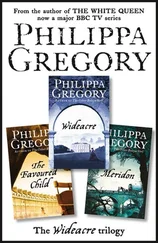
Представляем Вашему вниманию похожие книги на «Wideacre» списком для выбора. Мы отобрали схожую по названию и смыслу литературу в надежде предоставить читателям больше вариантов отыскать новые, интересные, ещё непрочитанные произведения.




Обсуждение, отзывы о книге «Wideacre» и просто собственные мнения читателей. Оставьте ваши комментарии, напишите, что Вы думаете о произведении, его смысле или главных героях. Укажите что конкретно понравилось, а что нет, и почему Вы так считаете.