Jowhor Ile - And After Many Days
Здесь есть возможность читать онлайн «Jowhor Ile - And After Many Days» весь текст электронной книги совершенно бесплатно (целиком полную версию без сокращений). В некоторых случаях можно слушать аудио, скачать через торрент в формате fb2 и присутствует краткое содержание. Год выпуска: 2016, Издательство: Tim Duggan Books, Жанр: Современная проза, на английском языке. Описание произведения, (предисловие) а так же отзывы посетителей доступны на портале библиотеки ЛибКат.
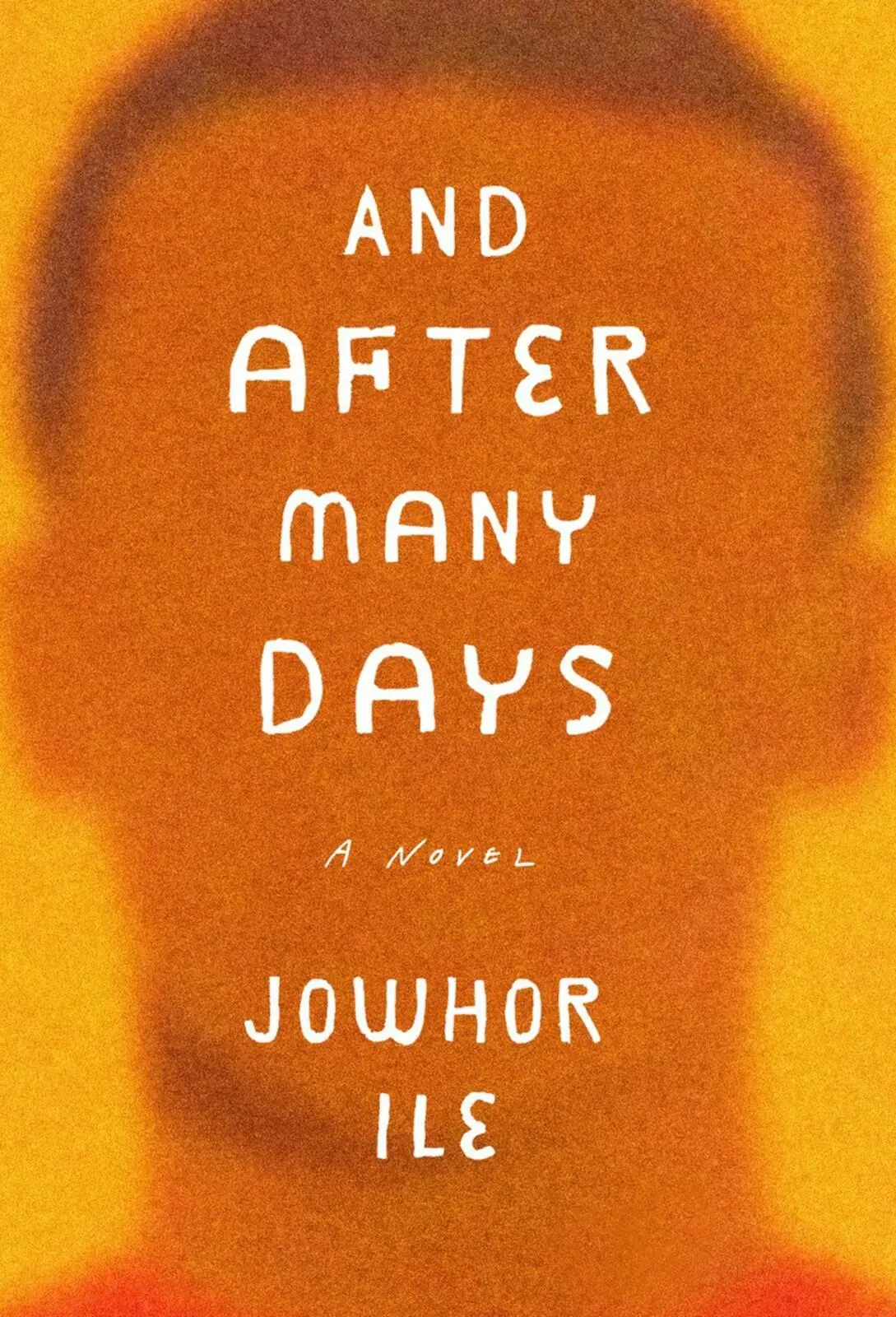
- Название:And After Many Days
- Автор:
- Издательство:Tim Duggan Books
- Жанр:
- Год:2016
- ISBN:нет данных
- Рейтинг книги:3 / 5. Голосов: 1
-
Избранное:Добавить в избранное
- Отзывы:
-
Ваша оценка:
And After Many Days: краткое содержание, описание и аннотация
Предлагаем к чтению аннотацию, описание, краткое содержание или предисловие (зависит от того, что написал сам автор книги «And After Many Days»). Если вы не нашли необходимую информацию о книге — напишите в комментариях, мы постараемся отыскать её.
In a tale that moves seamlessly back and forth through time, Ajie relives a trip to the family's ancestral village where, together, he and his family listen to the myths of how their people settled there, while the villagers argue over the mysterious Company, who found oil on their land and will do anything to guarantee support. As the story builds towards its stunning conclusion, it becomes clear that only once past and present come to a crossroads will Ajie and his family finally find the answers they have been searching for.
And After Many Days
And After Many Days — читать онлайн бесплатно полную книгу (весь текст) целиком
Ниже представлен текст книги, разбитый по страницам. Система сохранения места последней прочитанной страницы, позволяет с удобством читать онлайн бесплатно книгу «And After Many Days», без необходимости каждый раз заново искать на чём Вы остановились. Поставьте закладку, и сможете в любой момент перейти на страницу, на которой закончили чтение.
Интервал:
Закладка:
—
It was already dark when they got back to Ogibah. The air was thick and muggy and filled with the smell of roasted meat. While approaching from Uhwo, Ogibah was drenched in a shifting half-light that gave it the feel of an abandoned village. A place ruined, sacked, and set ablaze by an army from far away, carting away treasures, leaving behind the dead and the dying, and some livestock to roam the empty streets. Ajie heard the sound of pounding as they neared Nwube’s house. There were a few bright stars and a quarter moon in the sky. Palm trees in the far distance stood away from each other, and beyond, beside Base Camp, the rushing red flames of flaring gas licked the sky.
Bibi was downstairs by the tank with her friends. “Ma and Bendic have been looking for the two of you. Where did you go?” she asked, sounding ominous. “They are upstairs, you better go and see them now.” Her friends had stopped talking, waiting for Bibi to finish, and she fully occupied this space they had given her. The girls seemed impressed both by her command of English and by the authority in her voice. Paul and Ajie walked past without much of a response.
Upstairs, Ma looked at them and said, “Ah, you are back. Where have you been?” Then she looked away from them and continued talking to Bendic. When she glanced back and saw they were still standing there, she said, “Your food is on the kitchen table,” and as they left the parlor, her eyes followed them. “Ajie, have you had a bath today?”
“Yes,” Ajie replied, angry that Ma had singled him out to ask that question. They went to the kitchen, brought their food down, and sat on the dwarf kitchen stools to eat. They had not thought much of the smell of burned meat in the air when they first neared the village. They had not remembered or thought of the ten cows Ossai had talked about in the morning. Twenty cows that were brought in two trucks, a gift from Company to all of Ogibah as a gesture of goodwill for the festival. This gesture that had caused such ruction that morning. “We do not want their disgusting gift! They can’t buy us from ourselves.” “But why should we reject a gift during our festival?”
Morgan threw Nwokwe on the ground, and Nwokwe’s son ran in for a machete and had to be restrained, and the warning cry, “ Otchu! Otchu! Murder! Murder!” ripped the air.
Paul and Ajie did not know the details of how and why the uproar was calmed, how it came to be that the cows were killed and shared among all the families in the village. If any portion was set aside for Bendic, it did not get into his house; it did not boil in Ma’s pot.
Paul and Ajie finished their food and went to their room and then fell asleep almost immediately, until Ossai came to wake them up when it was time for Ntitroegberi.
—
The path to Nkaa’s house was narrow and crowded by trees. Paul carried a flashlight so they could see where they were stepping. They walked in single file — Paul in front with the flashlight, Ajie in the middle, and Ossai behind. Nkaa was now the oldest man from their Onubobdo, so it was his duty to do the narration that night. For Paul and Ajie, this would be their first time to hear him tell the stories. They had always enjoyed how Okposi told the story of their ancestors’ arrival at Ogba land — although the story was the same, each time it sounded different from Okposi’s mouth — but he had recently died under the knife of a surgeon while having his appendix removed at the General Hospital in Omoku.
By the time Paul, Ajie, and Ossai arrived in Nkaa’s front room, there was hardly any space left for them to sit. There was some shuffling about before Ajie and Ossai found a place on the floor to crouch, and Paul stood leaning on the wall beside them. The boy sitting in front of Ajie smelled of palm-kernel oil. He soon fell asleep and his head began to tilt slowly backward, and each time, just when Ajie thought to slap him awake, the boy caught himself with a quick jerk of his lolling head and then looked around, ready to refute anyone who accused him of dozing off.
There was a stir when Nkaa walked into the room. There was hardly enough passage for him to get to his seat, and the movement of people making space for him upset the sitting arrangement on the floor. This worked in some people’s favor; Ajie tapped Paul on the leg and motioned for him to sit on the floor beside him. Nkaa cleared his throat and immediately began a call-and-response song. Ajie saw Bibi come in with two of her friends. She looked around, her eyes searching, and then she walked toward the left of the room, where some of her friends who’d arrived earlier had kept a place for her on a bench.
III
CHAPTER EIGHT
The school gate was made of wrought iron, freshly painted green. New block work was in progress to replace the barbed wired fencing. Students in checked red uniforms dotted the side roads and parking lot. Ma sat alone in the back of the car as it approached the barrier. Marcus wound down the window to talk to the security man at the gate; he was dressed in a navy blue polyester uniform and held a stick in his hand. The man looked into the car, nodded at Ma, and then waved them on.
Visiting-day regulations required that students remain in their dorms, carrying on as normal, until their parents arrived, at which point a staff member on duty at the gate would send for them. But it was nearly noon, and prefects ignored their duty, rules slackened, and loitering became the order of the day. Those who were hopeful their parents would visit sneaked about, scanning the gate for cars that looked like their parents’. Some attached themselves to friends whose parents had already arrived, heading down together to be introduced — as seatmates, bunk mates, dorm mates, new best friends — eager for a taste of some home cooking.
Paul sat with his friends on a windowsill in the senior classroom block, with a clear view of the gate. When he saw the Peugeot 504 come through the gate, he didn’t check to confirm the plate number: He knew too well that blue metallic sheen of the chassis, the particular glint of the windshield, and on which corners of it the insurance stickers were stamped. He snapped his fingers at a passing junior boy whom he ordered to go fetch Ajie at once. “If you divert, you are dead.”
“Yes, Senior.” The junior boy scampered off.
Paul and Ajie soon joined Ma where the car was parked beneath a whistling pine tree by the science laboratories.
“Look at the two of you!” Ma gasped in horror. “You are all necks.” She drew Paul close, feeling his body to see how much weight he had lost.
“Ma, stop.” Paul laughed, trying to pull away.
“You are all bones,” she declared. “Ajie, are you skipping meals? Or is it that they are not serving proper food in that dining hall?” She turned around. “Marcus, come and look at my children o!” Paul and Ajie greeted Marcus.
“Madam, it’s growth,” Marcus said playfully. “They are stretching out, that’s why they are thin.”
“This stretching is too much,” Ma said, searching her children’s faces and bodies with her eyes. “Let this school not kill my children for me, please.”
They threw open all four doors of the car to allow for a good supply of breeze. It was the second week in February, and here in the hilly lands of the east, the receding harmattan season had left the air dry and balmy. The soil was a stony red. The generator house stood at a remove from them, and behind it was a stretch of field that was stopped by the barbed wire fence. From where they sat, they could see the Enugu — Port Harcourt Expressway and the vast cashew plantation that stretched far and wide on the other side of the road.
Читать дальшеИнтервал:
Закладка:
Похожие книги на «And After Many Days»
Представляем Вашему вниманию похожие книги на «And After Many Days» списком для выбора. Мы отобрали схожую по названию и смыслу литературу в надежде предоставить читателям больше вариантов отыскать новые, интересные, ещё непрочитанные произведения.








Обсуждение, отзывы о книге «And After Many Days» и просто собственные мнения читателей. Оставьте ваши комментарии, напишите, что Вы думаете о произведении, его смысле или главных героях. Укажите что конкретно понравилось, а что нет, и почему Вы так считаете.