Charlotte Rogan - Now and Again
Здесь есть возможность читать онлайн «Charlotte Rogan - Now and Again» весь текст электронной книги совершенно бесплатно (целиком полную версию без сокращений). В некоторых случаях можно слушать аудио, скачать через торрент в формате fb2 и присутствует краткое содержание. Год выпуска: 2016, Издательство: Little, Brown and Company, Жанр: Современная проза, на английском языке. Описание произведения, (предисловие) а так же отзывы посетителей доступны на портале библиотеки ЛибКат.
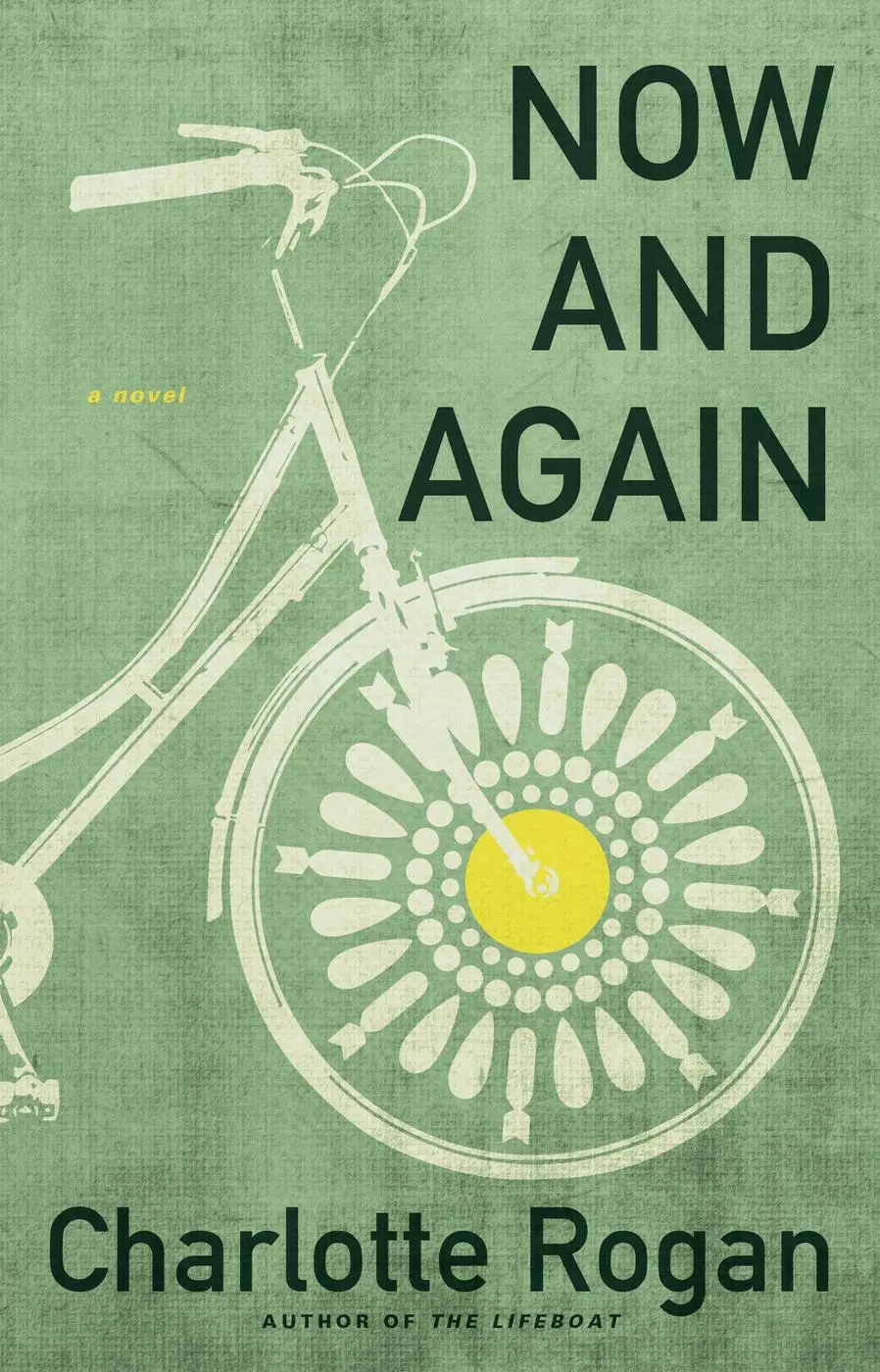
- Название:Now and Again
- Автор:
- Издательство:Little, Brown and Company
- Жанр:
- Год:2016
- ISBN:нет данных
- Рейтинг книги:4 / 5. Голосов: 1
-
Избранное:Добавить в избранное
- Отзывы:
-
Ваша оценка:
Now and Again: краткое содержание, описание и аннотация
Предлагаем к чтению аннотацию, описание, краткое содержание или предисловие (зависит от того, что написал сам автор книги «Now and Again»). Если вы не нашли необходимую информацию о книге — напишите в комментариях, мы постараемся отыскать её.
For Maggie Rayburn-wife, mother, and secretary at a munitions plant-life is pleasant, predictable, and, she assumes, secure. When she finds proof of a high-level cover-up on her boss's desk, she impulsively takes it, an act that turns her world, and her worldview, upside down. Propelled by a desire to do good-and also by a newfound taste for excitement-Maggie starts to see injustice everywhere. Soon her bottom drawer is filled with what she calls "evidence," her small town has turned against her, and she must decide how far she will go for the truth. For Penn Sinclair-Army Captain, Ivy League graduate, and reluctant heir to his family's fortune-a hasty decision has disastrous results. Home from Iraq and eager to atone, he reunites with three survivors to expose the truth about the war. They launch a website that soon has people talking, but the more they expose, the cloudier their mission becomes.
Now and Again
Now and Again — читать онлайн бесплатно полную книгу (весь текст) целиком
Ниже представлен текст книги, разбитый по страницам. Система сохранения места последней прочитанной страницы, позволяет с удобством читать онлайн бесплатно книгу «Now and Again», без необходимости каждый раз заново искать на чём Вы остановились. Поставьте закладку, и сможете в любой момент перейти на страницу, на которой закончили чтение.
Интервал:
Закладка:
“Why?” asked Will. “That’s something I’ve always wanted to see.”
They sat for a while peering out at the rain, which seemed to be moving in a line across the fields, battering one strip of wheat before moving on to the next. When the windshield fogged up, Will swiped at it with his sleeve. “Did I ever tell you I was shot?” he asked.
“No!” exclaimed Tula. “You didn’t.”
“It was just a BB, but still. That soldier today had a big ol’ hole in his leg.” Will’s eyes were gleaming as he rattled on about the soldier, about how he knew everything there was to know about radar and military electronics.
Fifteen minutes later, the spongy sky squeezed out the last drops of rain and the sun came out. When they were back on the road, Tula put her right hand on the seat beside her, but then thought better of it and returned it to the steering wheel. In any case, Will was staring out the window and didn’t seem to notice. Just before they turned off at the Red Bud exit, Will told Tula he was ready for something. “I just don’t know what it is,” he said.
“I’m ready for something too,” said Tula. She thought Will was talking about kissing her or asking her on a real date. Maybe he was even talking about sex. Dolly had told her that even the nicest boys were always thinking about it, but when she dropped him off at his house, he waved good-bye quickly and didn’t ask her to come in as she had expected him to.
“Thanks,” said Will. “That was really interesting.”
“Men,” said Tula out loud, trying to sound both dismissive and admiring the way Dolly had sounded, trying to roll her eyes and smile at the same time. But Will was already running up the muddy driveway to the house.
5.5 Maggie
Stop buying me presents,” said Tomás a few days after Maggie had come to the same conclusion herself, but it was an example of his devious nature that he added, “I don’t want to make your husband jealous.”
“Don’t be silly,” said Maggie. “Lyle isn’t jealous.”
“Or your son.”
“My son isn’t jealous either.” She regretted telling Tomás about Lyle and Will, but there was nothing she could do about it now.
The schoolroom was sunny in the afternoons, and a tree outside the window was filled with chattering birds. “What kind of birds are they?” asked Tomás.
Maggie didn’t know, but instead of saying she would find out and tell him later, she said, “They’re starlings,” even though she wasn’t sure they were.
“I wonder what starlings do with the members of the flock they don’t like. To the outcasts. I bet they chase them out of the tree. I bet they peck them to death.”
“You’re not here because people don’t like you, Tomás.”
Tomás looked at her in surprise, and then he smiled sadly. “Sure I am. That’s exactly why I’m here.”
Another time Tomás said, “The biggest thing I can give you is my trust. What more do you want from me?”
Maggie didn’t want anything, but she suspected Tomás did. He was staring at her in a way that reminded her of a dog that knew she carried a biscuit hidden in her pocket. It was getting harder and harder to think of him as fully human, which was what Valerie had been telling her all along. She knew it wasn’t Tomás’s fault. She knew the prison system cast them in roles and the roles came with feelings already attached to them, feelings that allowed people to believe that prisoners were getting what they deserved, but she couldn’t help experiencing a tiny bit of revulsion, a tiny sense that Tomás could be more respectable if he wanted to be, a little less fawning and servile. A little bit more like George, she couldn’t help thinking — if only Tomás were dashing!
“Stand up straight!” she commanded the next time he came slinking into the schoolroom with that expectant hangdog look. It crossed her mind not to give him the slice of cake she carried in her purse. She would hand it over to the old man weeping and wringing his hands at the next table just to teach Tomás a lesson.
But what would she be teaching him? That he had no power in his relationship with her? That anyone who wanted to could give him a command and he would have to follow it? It was something he knew all too well. It was the reason for his servile demeanor in the first place. She took out the cake wrapped in the crumpled wedge of foil and said as cheerfully as she could, “Look what I brought you, Tomás. A nice piece of cake for your dessert.”
5.6 Dolly
Dolly had spent the past two years avoiding news about the war, but now that Danny was coming home, people she knew kept calling her up with the latest reports: They were winning the war, they were losing it, they were winning, but at a terrible cost. They were fighting for freedom, or maybe they were fighting for oil — in either case, they were touching hearts and minds. They were winning the peace unless they were losing it. No one was really sure.
She decided the coming-home party would include both the baseball game and the patriotic theme. After all, the Fourth of July was coming up — what had made her think she had to choose one over the other? Once that was settled, everything started to fall into place. She had met Danny at a Fourth of July celebration four years before, and the patriotic theme not only honored his service to his country, but was also a reminder of their history as a couple. She bought a tablecloth patterned like an American flag and tied red and blue ribbons around white candles for the tables and bought boxes of sparklers for the guests and researched brisket recipes and stockpiled cases of beer.
Danny’s arrival had been delayed by several weeks so the returning troops could get medical care and finish up their discharge paperwork.
“What medical care?” Dolly asked when Danny told her about it. “I thought you were okay. You’re okay, aren’t you?”
“It’s nothing, baby. Just protocol. Mostly we sit around and wait.”
“It’ll all be over soon,” said Dolly, and Danny replied, “I know it, babe. I know it will.”
But it wasn’t over, or if it was, something else was beginning. Danny didn’t notice the pretty apartment Dolly had worked so hard on; he noticed the smudges on the windows. He noticed a chip in the new floor tile.
“You should get that tile guy back and make him fix it,” said Danny, who was speaking in a loud voice and clenching his fists. “Get him back here, and I’ll talk to him myself.”
Dolly had no one to confide in, no one to tell her, You’re worried about nothing! No one to say, They all come home a little agitated and they all get better — all it takes is a little time. No one, that is, except for her sister, who was burdened with troubles of her own, and her friends, who, if she said anything negative, would look at Danny skeptically from then on. And she couldn’t call her mother. Her mother would say, You didn’t take my advice about your career, and you didn’t take my advice about that peach prom dress, so why would I give you any advice now? And then she would give it anyway, and it would entirely miss the point. The person Dolly wanted to confide in was Danny, but Danny was creeping around at night with a cleaning bucket when he thought she was asleep. Or he was chipping out the broken tile and ruining the floor, or he was lying awake and twitching, or he was dozing restlessly and calling out unintelligible things in his sleep.
Danny almost didn’t come to the party, which Dolly had scheduled for the second Saturday he was home. “I don’t really want to see anybody,” he said. “I won’t know what to say to them.”
“You don’t have to say anything,” said Dolly.
“Then they’ll just talk about me behind my back.”
Читать дальшеИнтервал:
Закладка:
Похожие книги на «Now and Again»
Представляем Вашему вниманию похожие книги на «Now and Again» списком для выбора. Мы отобрали схожую по названию и смыслу литературу в надежде предоставить читателям больше вариантов отыскать новые, интересные, ещё непрочитанные произведения.







Обсуждение, отзывы о книге «Now and Again» и просто собственные мнения читателей. Оставьте ваши комментарии, напишите, что Вы думаете о произведении, его смысле или главных героях. Укажите что конкретно понравилось, а что нет, и почему Вы так считаете.