Emma Cline - The Girls
Здесь есть возможность читать онлайн «Emma Cline - The Girls» весь текст электронной книги совершенно бесплатно (целиком полную версию без сокращений). В некоторых случаях можно слушать аудио, скачать через торрент в формате fb2 и присутствует краткое содержание. Год выпуска: 2016, Издательство: Random House, Жанр: Современная проза, на английском языке. Описание произведения, (предисловие) а так же отзывы посетителей доступны на портале библиотеки ЛибКат.
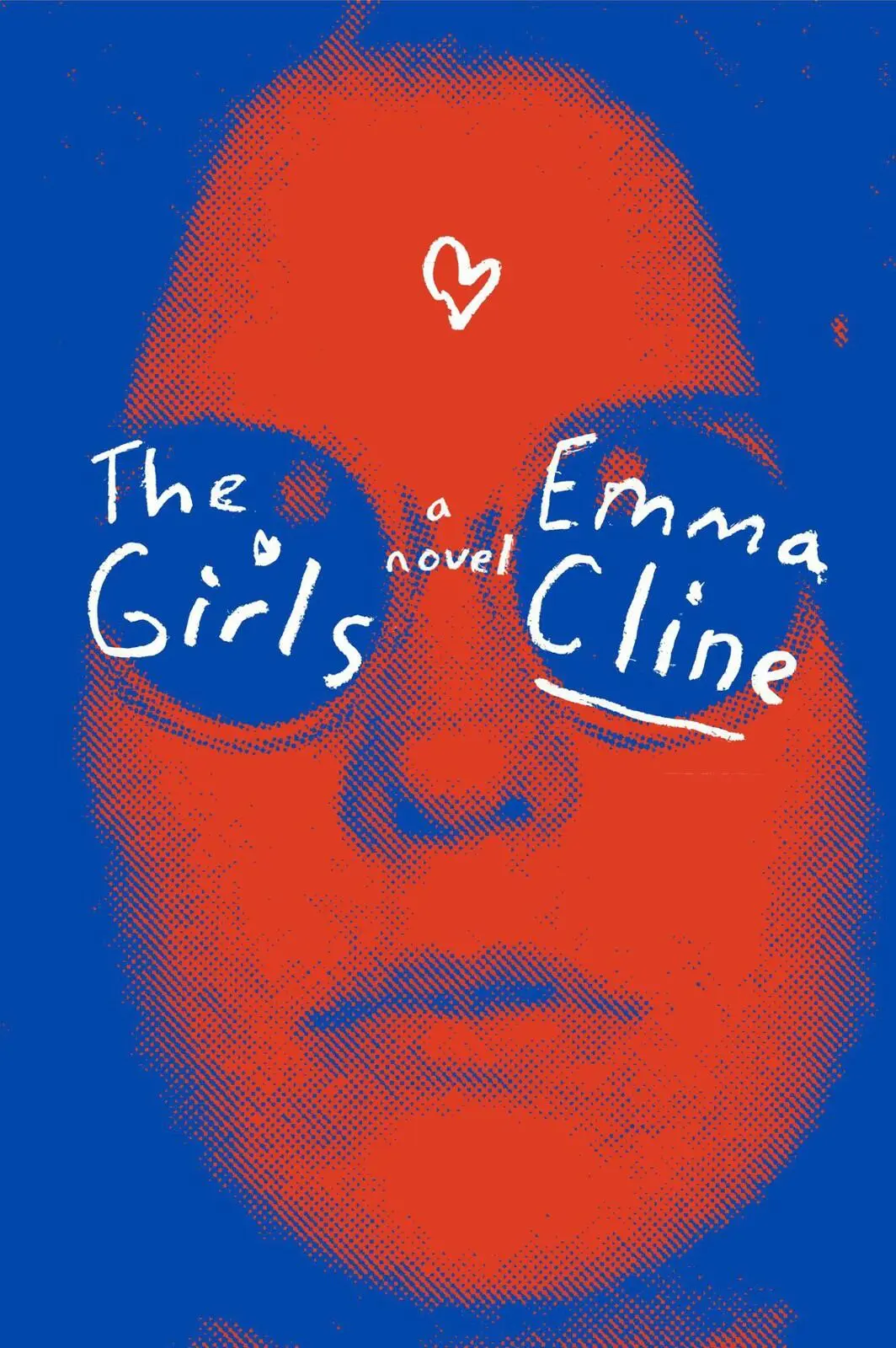
- Название:The Girls
- Автор:
- Издательство:Random House
- Жанр:
- Год:2016
- ISBN:нет данных
- Рейтинг книги:5 / 5. Голосов: 1
-
Избранное:Добавить в избранное
- Отзывы:
-
Ваша оценка:
The Girls: краткое содержание, описание и аннотация
Предлагаем к чтению аннотацию, описание, краткое содержание или предисловие (зависит от того, что написал сам автор книги «The Girls»). Если вы не нашли необходимую информацию о книге — напишите в комментариях, мы постараемся отыскать её.
Northern California, during the violent end of the 1960s. At the start of summer, a lonely and thoughtful teenager, Evie Boyd, sees a group of girls in the park, and is immediately caught by their freedom, their careless dress, their dangerous aura of abandon. Soon, Evie is in thrall to Suzanne, a mesmerizing older girl, and is drawn into the circle of a soon-to-be infamous cult and the man who is its charismatic leader. Hidden in the hills, their sprawling ranch is eerie and run down, but to Evie, it is exotic, thrilling, charged — a place where she feels desperate to be accepted. As she spends more time away from her mother and the rhythms of her daily life, and as her obsession with Suzanne intensifies, Evie does not realize she is coming closer and closer to unthinkable violence, and to that moment in a girl’s life when everything can go horribly wrong.
Emma Cline’s remarkable debut novel is gorgeously written and spellbinding, with razor-sharp precision and startling psychological insight. The Girls is a brilliant work of fiction — and an indelible portrait of girls, and of the women they become.
The Girls — читать онлайн бесплатно полную книгу (весь текст) целиком
Ниже представлен текст книги, разбитый по страницам. Система сохранения места последней прочитанной страницы, позволяет с удобством читать онлайн бесплатно книгу «The Girls», без необходимости каждый раз заново искать на чём Вы остановились. Поставьте закладку, и сможете в любой момент перейти на страницу, на которой закончили чтение.
Интервал:
Закладка:
I could feel Frank watching me.
“Yeah,” I said, “sure.”
“Nice to see you two having a good talk,” my mother added shyly.
I made a face, collecting my mug and crackers, but my mother didn’t notice: she had already bent to kiss Frank. Her robe falling open so I saw a triangle of shadowy, sun-spotted chest and had to look away.
—
The town was celebrating 110 years, after all, not 100, the awkward number setting the tone for the meager affair. To even call it a carnival seemed overly generous, though most of the town was there. There had been a box social in the park and a play about the town’s founding in the high school amphitheater, the student council members sweating in theater department costumes. They’d closed the road to street traffic, so I found myself in a bobbing press of people, pushing and grabbing at the promise of leisure and fun. Husbands whose faces were tight with aggrieved duty, flanked by kids and wives who needed stuffed animals. Who needed pale, sour lemonade and hot dogs and grilled corn. All the proof of a good time. The river was already clotted with litter, the slow drift of popcorn bags and beer cans and paper fans.
My mother had been impressed by Frank’s miraculous ability to get me to leave the house. Just as Frank wanted her to be. So she could imagine the neat way he’d slot into a father shape. I was having exactly as much fun as I’d expected to have. I ate a snow cone, the paper cup weakening until the syrup leaked out over my hands. I threw the rest away, but my hands scudded with the residue, even after I wiped them on my shorts.
I moved among the crowd, in and out of shade. I saw kids I knew, but they were the background fill from school, no one I had ever spent concentrated time with. Still, I incanted their first and last names helplessly in my head. Norm Morovich. Jim Schumacher. Farm kids, mostly, whose boots smelled of rot. Their soft-spoken answers in class, speaking only when specifically called upon, the humble ring of dirt I saw in the upturned cowboy hats on their desks. They were polite and virtuous, the trace of milk cows and clover fields and little sisters on them. Nothing at all like the ranch population, who would pity boys who still respected their father’s authority or wiped their boots before entering their mother’s kitchen. I wondered what Suzanne was doing — swimming in the creek, maybe, or lying around with Donna or Helen or maybe even Mitch, a thought that made me bite my lip, working a ruff of dry skin with my teeth.
—
I’d have to stay at the carnival only a little while longer and then I could go back home, Frank and my mother satisfied with my healthy dose of sociable activity. I tried to make my way toward the park, but it was packed — the parade had started, the pickup beds heavy with crepe-paper models of town hall. Bank employees and girls in Indian costumes waving from floats, the noise of the marching band violent and oppressive. I weaved out of the crowd, scuttling along the periphery. Sticking to the quieter side streets. The sound of the marching band grew louder, the parade winding down East Washington. The laughter I heard, pointed and performative, cut through my focus: I knew, before I looked up, that it was aimed at me.
It was Connie, Connie and May, a netted bag stretching from Connie’s wrist. I could make out a can of orange soda and other groceries straining inside, the line of a swimsuit under Connie’s shirt. Encoded within was their whole simple day — the boredom of the heat, the orange soda going flat. The bathing suits drying on the porch.
My first feeling was relief, like the familiarity of turning into my own driveway. Then came an uneasiness, the clicking together of the facts. Connie was mad at me. We were not friends anymore. I watched Connie move past her initial surprise. May’s bloodhound eyes squinted, eager for drama. Her braces thickening her mouth. Connie and May exchanged a few whispered words, then Connie edged forward.
“Hey,” she said cautiously. “What’s going on?”
I had expected anger, derision, but Connie was acting normal, even a little glad to see me. We hadn’t spoken in almost a month. I looked at May’s face for a clue, but it was insistently blank.
“Nothing much,” I said. I should have been fortified by the last few weeks, the existence of the ranch lessening the stakes of our familiar dramas, and yet how quickly the old loyalties return, the pack animal push. I wanted them to like me.
“Us either,” Connie said.
My sudden gratitude for Frank — it was good that I had come, good to be around people like Connie who were not complicated or confusing like Suzanne, but just a friend, someone I’d known beyond daily changes. How she and I had watched television until we got blinky headaches and popped pimples on each other’s backs in the harsh light of the bathroom.
“Lame, huh?” I said, gesturing in the direction of the parade. “A hundred and ten years.”
“There’s a bunch of freaky people around.” May sniffed, and I wondered if she was somehow implicating me. “By the river. They stunk.”
“Yeah,” Connie said, kinder. “The play was really stupid, too. Susan Thayer’s dress was pretty much see-through. Everyone saw her underwear.”
They shot each other a look. I was jealous of their shared memory, how they must have sat together in the audience, bored and restless in the sun.
“We might go swimming,” Connie said. This statement seemed vaguely hilarious to both of them, and I joined in, tentative. Like I understood the joke.
“Um.” Connie seemed to silently confirm something with May. “Do you want to come with us?”
I should have known that it wouldn’t end well. That it was happening too easily, that my defection wouldn’t be tolerated. “To swim?”
May stepped up, nodding. “Yeah, at the Meadow Club. My mom can drive us. You wanna come?”
The thought that I might go with them was such a ludicrous anachronism, as if an alternate universe were unfolding where Connie and I were still friends and May Lopes was inviting us to the Meadow Club to swim. You could get milkshakes there and grilled cheese sandwiches with lacy frills of burnt cheese. Simple tastes, food for children, everything paid for by signing your parent’s name. I allowed myself to feel flattered, remembering an easy familiarity with Connie. Her house so known to me that I didn’t even think about where each bowl went in the cabinet, each plastic cup, their rims eaten by the dishwasher. How nice that seemed, how uncomplicated, the cogent march of our friendship.
That was the moment May stepped toward me, pitching the can of orange soda forward: the soda inside hit my face at an angle, so it didn’t douse me so much as dribble. Oh, I thought, my stomach dropping. Oh, of course. The parking lot tilted. The soda was tepid and I could smell the chemicals, the unsavory drip on the asphalt. May dropped the mostly empty can. It rolled a ways and then stopped. Her face was as shiny as a quarter, and she looked spooked by her own audacity. Connie was more uncertain, her face a flickering bulb, coming to full-watt attention when May rattled her bag like a warning bell.
The liquid had barely grazed me. It could have been worse, a real soaking instead of this meager attempt, but somehow I longed for the soaking. I wanted the event to be as big and ruthless as the way my humiliation felt.
“Have a fun summer,” May trilled, linking arms with Connie.
And then they were walking away, their bags jostling and their sandals loud on the sidewalk. Connie turned to glance back at me, but I saw May tug her, hard. The bleed of surf music carried across the road from an open car window — I thought I saw Peter’s friend Henry at the wheel, but maybe that was my imagination. Projecting a larger net of conspiracy onto my childish humiliation, as if that were an improvement.
Читать дальшеИнтервал:
Закладка:
Похожие книги на «The Girls»
Представляем Вашему вниманию похожие книги на «The Girls» списком для выбора. Мы отобрали схожую по названию и смыслу литературу в надежде предоставить читателям больше вариантов отыскать новые, интересные, ещё непрочитанные произведения.









Обсуждение, отзывы о книге «The Girls» и просто собственные мнения читателей. Оставьте ваши комментарии, напишите, что Вы думаете о произведении, его смысле или главных героях. Укажите что конкретно понравилось, а что нет, и почему Вы так считаете.