Elin Hilderbrand - The Castaways
Здесь есть возможность читать онлайн «Elin Hilderbrand - The Castaways» весь текст электронной книги совершенно бесплатно (целиком полную версию без сокращений). В некоторых случаях можно слушать аудио, скачать через торрент в формате fb2 и присутствует краткое содержание. Жанр: Современная проза, на английском языке. Описание произведения, (предисловие) а так же отзывы посетителей доступны на портале библиотеки ЛибКат.
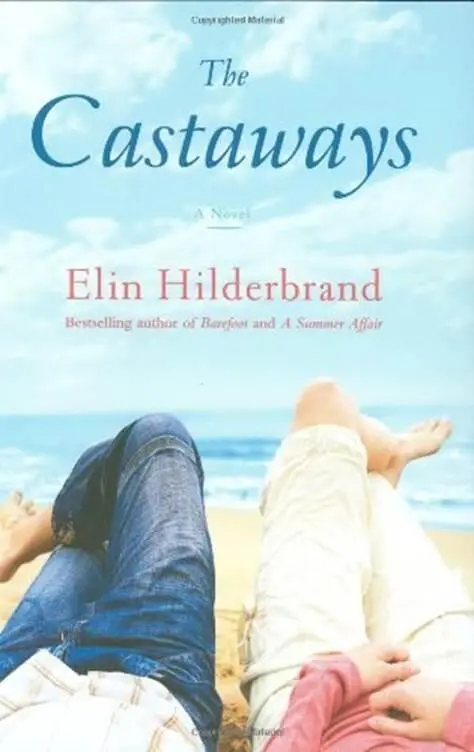
- Название:The Castaways
- Автор:
- Жанр:
- Год:неизвестен
- ISBN:нет данных
- Рейтинг книги:4 / 5. Голосов: 1
-
Избранное:Добавить в избранное
- Отзывы:
-
Ваша оценка:
The Castaways: краткое содержание, описание и аннотация
Предлагаем к чтению аннотацию, описание, краткое содержание или предисловие (зависит от того, что написал сам автор книги «The Castaways»). Если вы не нашли необходимую информацию о книге — напишите в комментариях, мы постараемся отыскать её.
Once again, Hilderbrand masterfully weaves an intense tale of love and loyalty set against the backdrop of endless summer island life.
The Castaways — читать онлайн бесплатно полную книгу (весь текст) целиком
Ниже представлен текст книги, разбитый по страницам. Система сохранения места последней прочитанной страницы, позволяет с удобством читать онлайн бесплатно книгу «The Castaways», без необходимости каждый раз заново искать на чём Вы остановились. Поставьте закладку, и сможете в любой момент перейти на страницу, на которой закончили чтение.
Интервал:
Закладка:
So, really, really really, it had started then, with Tess’s renegade decision to throw caution to the wind and drink wine at lunch with Addison. Addison ordered the most expensive bottle on the menu, a Mersault he positively adored but that one could rarely find on a wine list. Ordering this wine and then praising Sandrine for the fine selections on her list incurred even more favor with this woman than speaking French had. She loved Addison and Tess! She brought them the wine, she poured it lavishly. Then she whisked away their menus and said to Addison, “Allow me.”
A succession of marvels came out of the kitchen-duck confit on a gaufrette, endive stuffed with aged chèvre and a balsamic fig, a platter of petits croque-monsieurs, an asparagus salad topped with a quivering poached egg. Tiny ramekins of the most decadent onion soup gratinée Addison had ever tasted. Sandrine, Quebecoise goddess, treated Addison and Tess not like husband and wife but like lovers. She set plates down, she gave a sly smile or a wink, she disappeared.
Tess, defying all precedent, was an accomplished student of such debauchery. She not only drank the wine, she savored it the way it was meant to be savored-mouthful by mouthful, over the tongue, eyes fluttering. (Addison could not help drawing a comparison. Phoebe drank wine the way she took pills: she threw it back with purpose rather than joy, then waited for the numbness to take effect.) Tess ate her food in tiny, delicate tastes. She had a child’s hands; he had always been aware of this, but what he hadn’t realized was how deft her hands were. Addison fumbled with his food (he was nervous, despite the loosening effect of the Mersault), but Tess cut little bites and popped them into her mouth quickly and neatly.
During all this time-the wine being savored (Addison bravely ordered a second bottle), the courses devoured, Sandrine appearing, then disappearing-Tess was talking. She talked about the problems she’d had getting pregnant-the two miscarriages, the baby lost at twenty-one weeks. Then she talked about the twins. She loved the twins too much, maybe, and this was what had caused her problems with Greg.
Again Addison held his breath. Were they going to talk about it? Sandrine popped the cork on the second bottle of Mersault and Tess reached for her glass and drank. And then she started to talk about It, that Sunday Night, April Peck, What April Said, What Greg Said, Holes in April’s Story, Holes in Greg’s Story. How Tess Knew Greg Was Lying. How She Begged Him to Tell the Truth, How He Stupidly Stuck by the Asinine Lies He Concocted.
Addison nodded; he tried to mirror Tess’s own listening techniques. He did not defend Greg’s side of the story. Instead, it felt like he had been looking through the wrong end of a kaleidoscope. Only now, when hearing the story from Tess, did it all make sense.
“We’ve been married eleven and a half years,” Tess said. “Andrea tells me not to let one measly night ruin so many years of hard work and devotion. But what Andrea doesn’t understand is that the ‘one measly night’ was representative of so many underlying problems in our marriage. The fact that I can’t get the truth. Greg won’t come clean! What Andrea doesn’t understand is that the hard work and devotion have been one-sided. Me giving to him.” She carefully constructed a masterpiece bite out of farmhouse bread, Roquefort, apricot preserves, and a candied pecan. Sandrine had just dropped off a cheese plate worthy of Auguste Renoir. Tess eyed the morsel thoughtfully, then looked at Addison. She had tears in her eyes.
Oh no! he thought. She was going to cry!
“I want to leave him,” she said.
“And go where?” Addison said.
Tears dripped down her face. “I don’t know,” she said. “Paris?”
It had started there. They did not need the petites tartes Tatin with Calvados ice cream that Sandrine sent out, nor did they need the chocolate truffles or the slender flutes of rose champagne. (“Billecart-Salmon,” Sandrine said. “Un cadeau.” A gift.) But they enjoyed them anyway.
Addison paid the bill with five one-hundred-dollar bills, which made Tess gasp even louder than she had at the gym when she thought he was in cardiac arrest. He whisked her out of there, stopping only to kiss Sandrine on both cheeks and say, “Le déjeuner de ma vie.”
He and Tess were holding hands as they left the restaurant. Nous Deux. We Two. That morning at eight o’clock, Tess MacAvoy had been Phoebe’s friend and, more saliently for Addison, Greg’s wife. She had been a secondary or tertiary theme in the symphony of Addison’s life; she had been a figure in the background.
Now, however, she was his.
They stood under the awning at the back door of the café, facing a small parking area where there was only one car, an ancient silver Peugeot-most likely Sandrine’s. Addison bent down and kissed Tess-and yes, it did occur to him that he’d consumed an entire bottle of wine, followed by a glass of champagne. He was drunk and so was she. The kiss could fail. It could be like kissing his little sister. But their lips connected and there was a spark, an electric charge, a surge of attraction. The kiss was the right thing. He kissed her again. And again. And again, and then they were kissing in the back parking lot of Nous Deux. Tess’s arms locked around him. He pulled her in. She was his now. Did she know this?
So that there was no mistaking what all this meant, he said, “I may have just fallen in love with you. Okay?”
And she said, “Okay.”
Addison was crying now. Of course he was crying. The silly, sad tears of a little boy, though he had no recollection of feeling like this as a child. This feeling was adult. There were so many things he could never bring himself to do again: he would never go to Stowe, he would never order that bottle of Mersault, he would never eat a croque-monsieur. He would never kiss anyone for the first time.
He had Tess’s iPhone, pilfered from the Coast Guard’s bag of her personal effects. He felt guilty for stealing it. But then, guess what? The Chief called to inform him that he was the executor of the MacAvoy wills.
“What?” Addison said. And because his memories of Tess started this past December, it took a while to come back to him.
He had agreed to serve as executor. Back in 2000, when Greg and Tess bought their house on Blueberry Lane. Addison was their Realtor, he was at the closing with their attorney, Barry Karsten, a big, affable fellow of Danish descent. When the papers were all signed, Barry suggested that Greg and Tess make wills. He could write them up.
“Right now?” Greg said.
“All you need to figure out is who you’d like to be the executor and what happens to the house if you both die at the same time.”
Tess said, “We’re trying to get pregnant.”
Barry Karsten said, “Okay! We’ll account for that.”
Addison had barely been listening, but he had been at the right place at the right time (or, as he’d thought of it then, the wrong place at the wrong time). Greg asked him to serve as executor. Since Greg and Tess had both taken the day off from teaching to attend the closing, Barry ended up printing out a boilerplate will for each of them. They all signed.
“And you mean to say that Greg and Tess never signed another will?” Addison said.
The Chief muttered something, throwing in the words “god-damn careless,” but under the terms of the existing wills, the twins got everything anyway. No guardians had been named for the children, and this was the thing that the Chief didn’t understand. It was an egregious oversight. But the last thing Tess and Greg had planned on was… dying.
So, put honestly, Addison knew he was the executor of Greg’s and Tess’s wills, but, like being the permanent treasurer for the Class of 1977 at Lawrenceville, he’d forgotten, because he never expected the job to have any responsibilities.
Читать дальшеИнтервал:
Закладка:
Похожие книги на «The Castaways»
Представляем Вашему вниманию похожие книги на «The Castaways» списком для выбора. Мы отобрали схожую по названию и смыслу литературу в надежде предоставить читателям больше вариантов отыскать новые, интересные, ещё непрочитанные произведения.








Обсуждение, отзывы о книге «The Castaways» и просто собственные мнения читателей. Оставьте ваши комментарии, напишите, что Вы думаете о произведении, его смысле или главных героях. Укажите что конкретно понравилось, а что нет, и почему Вы так считаете.