Peter Heller - The Painter
Здесь есть возможность читать онлайн «Peter Heller - The Painter» весь текст электронной книги совершенно бесплатно (целиком полную версию без сокращений). В некоторых случаях можно слушать аудио, скачать через торрент в формате fb2 и присутствует краткое содержание. Город: New York, Год выпуска: 2014, ISBN: 2014, Издательство: Alfred A. Knopf, Жанр: Современная проза, на английском языке. Описание произведения, (предисловие) а так же отзывы посетителей доступны на портале библиотеки ЛибКат.
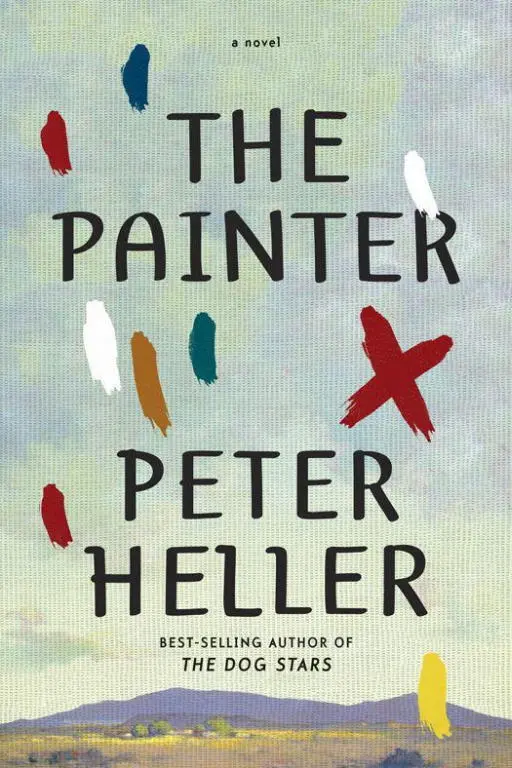
- Название:The Painter
- Автор:
- Издательство:Alfred A. Knopf
- Жанр:
- Год:2014
- Город:New York
- ISBN:978-0-385-35209-3
- Рейтинг книги:5 / 5. Голосов: 1
-
Избранное:Добавить в избранное
- Отзывы:
-
Ваша оценка:
The Painter: краткое содержание, описание и аннотация
Предлагаем к чтению аннотацию, описание, краткое содержание или предисловие (зависит от того, что написал сам автор книги «The Painter»). Если вы не нашли необходимую информацию о книге — напишите в комментариях, мы постараемся отыскать её.
, returns with an achingly beautiful, wildly suspenseful second novel about an artist trying to outrun his past.
Jim Stegner has seen his share of violence and loss. Years ago he shot a man in a bar. His marriage disintegrated. He grieved the one thing he loved. In the wake of tragedy, Jim, a well-known expressionist painter, abandoned the art scene of Santa Fe to start fresh in the valleys of rural Colorado. Now he spends his days painting and fly-fishing, trying to find a way to live with the dark impulses that sometimes overtake him. He works with a lovely model. His paintings fetch excellent prices. But one afternoon, on a dirt road, Jim comes across a man beating a small horse, and a brutal encounter rips his quiet life wide open. Fleeing Colorado, chased by men set on retribution, Jim returns to New Mexico, tormented by his own relentless conscience.
A stunning, savage novel of art and violence, love and grief,
is the story of a man who longs to transcend the shadows in his heart, a man intent on using the losses he has suffered to create a meaningful life.
The Painter — читать онлайн бесплатно полную книгу (весь текст) целиком
Ниже представлен текст книги, разбитый по страницам. Система сохранения места последней прочитанной страницы, позволяет с удобством читать онлайн бесплатно книгу «The Painter», без необходимости каждый раз заново искать на чём Вы остановились. Поставьте закладку, и сможете в любой момент перейти на страницу, на которой закончили чтение.
Интервал:
Закладка:
That week she hadn’t been home for two days, she had been suspended and she was very mad at me, me and her mom both, and I noticed Mittens was forlorn and agitated, and it occurred to me that no one had fed him. I went to the shed for a bucket of backup feed we kept in a trash can and when I came to the fence he saw it and surprised me by barely getting up from his wallow in back of the pen.
“C’mon, Mits, dinner time. C’mon.”
With great effort and grunting he finally roused himself and came to the fence head down like it took all his will, and when I lifted the bucket he looked up at me and I swear his beady black eyes looked like they were crying. There were no tears, but that’s how they looked. I dumped it and he looked up at me again and nosed the food and barely ate. I was turning back to the shed when I heard the tires on the gravel and the cruiser pulled in. It was Finn, the sheriff who had arrested me once before. He looked ashen, stricken, and he took off his hat and stood like a man who had been hit by lightning and was just coming out of it. I thought he might need help.
He really loved Alce. He was the one who had picked her up when she was caught shoplifting a few months before, and he was the one who told me that her boyfriend was distributing X and other pills to his friends, if not exactly dealing, he was worried about her. Everybody in town loved Alce. She loved to laugh with you and listen to what got you excited and then she got excited, too. She protected kids in school who got picked on. She gave away trout she caught to the old Chinese woman who lived alone down the block and couldn’t speak more than five words of English and looked forward to Alce’s fresh fish more than anything in her day or week. Alce was good to the bone.
He stood there in the yard and I asked him if he was okay and he said No, Alce is gone, and I said What do you mean gone? And he said she had been knifed to death trying to buy pot in the lot on Mission and I stood there then and couldn’t move. He put his hand on my shoulder, he tried to lead me inside but I was stone and he finally touched my beard, reached out and touched it the way a parent would and got in his car and left me in the yard. The next day I went out to feed Mittens, I wasn’t going to forget her best friend in my blind grief and he was lying out in the middle of the sunbaked pen, the part without shade where he never rested. Hey Mits, I said. Just the sight of him, her friend since she was little, was too much. I unlatched the gate and went over. He barely lifted his head off the dirt and he looked at me again, straight into my eyes, his eyes like wet black pebbles, like he was trying to speak to me, speak out of his animal muteness of something too big for his heart to bear and then he lay his head down again with a huff and he hardly moved the next day or the next, and two weeks later he died.

In Antonito there was a billboard for a railway trip along the Toltec Gorge, a painter’s rendition of a steam engine coming around a piney bend above a narrow rock canyon and it woke me up. Hey, hey, you are driving, it’s getting late, it’s dusk.
I had fished the Rio de los Pinos before. It’s the little creek that runs through the gorge. How those little streams make such a big impression. I had driven the long washboarded dirt road down off the plateau and parked at a little bridge. I had walked up into the walled canyon. I had fished with a peregrine gliding the wall just over my head, and later with the sun slanting down and backlighting the biggest hatch of mayflies I had ever seen, the light coming through a candescent mist of wings, and I caught more fish in an hour than I ever had before.
Some creeks you simply loved, and seeing the railroad sign with the craggy gorge reminded me that we can proceed in our lives just as easily from love to love as from loss to loss. A good thing to remember in the middle of the night when you’re not sure how you will get through the next three breaths.
I pulled off at the road I remembered and switchbacked down to the bridge and unrolled my sleeping bag just on the other side in some ferns. I fell into a dreamless sleep under a cloudy sky that smelled like rain. It sprinkled before dawn, barely wetting the bag. I folded the ground tarp over me and went back to sleep. Didn’t fish at daybreak. Threw my gear back in the truck and under a sky cleaned of clouds I drove to Santa Fe.
BOOK THREE
CHAPTER ONE

Once an interviewer on a radio show right on the dock in San Francisco asked me why, coming from a family of gypo loggers in Oregon, I had decided to paint. He was sitting on a stool beside me, and we were beneath a large window that looked from the Embarcadero out onto San Francisco Bay.
I used to get drunk before interviews like this, but this was eight a.m., a little too early for even me. The interviews tended to make me feel like a rabbit or a lamb caught above treeline at nightfall. Steve, who had just become my most important dealer and sort of my manager, swore he would cut me off and send my paintings back if I ever got drunk again on live radio or TV. So I was stone cold sober except for a one hitter I did openly in the green room with the window looking out to Alcatraz, and I shivered and tried not to follow the progress of a small white sailboat and a big white ferry moving obliquely toward each other on the choppy blue water—what a cool place to have a radio interview, right on the dock—and I tried to think seriously about the man’s question. He was a good interviewer, warm and really interested and he seemed to have actually read some of the coffee table book about me that I was now promoting. He must have looked carefully at the images of my work on the gallery’s website. I could tell by his questions.
But this question stopped my wildly beating heart for a moment and stiffened my bristles and raised hackles I suddenly discovered I had. Maybe I was not a rabbit after all. If I was a little stoned before, I was not stoned now. I blinked. I turned from the imminent and beautiful sea tragedy that was unfolding out the big windows and stared at the man.
“What did you ask? Why does the son of a simple logger paint?”
“Yes,” he said smiling. “Why choose to be an outsider artist with all the vagaries of a fickle art market, the stormy uncertainties of creativity? I mean it is practically asking to be poor, at least for a decade or two in the best case, isn’t it? And your family can’t have much money to help, I read that you grew up in a trailer in the woods. Why choose art when you might have a decent and rugged living as a logger like your father?”
I stared at him and thought about my father who died on a forty degree slope under five tons of Doug fir when a choke cable snapped. For some reason right then I thought about his red Jonsered chain saw which had a thirty-six inch bar. How he had set it down still running on a big stump and turned to lift a canteen filled with tap water when he died. What his buddy Egger told me as he handed me the saw.
“I sharpened it,” he said. I thought about that. All Egger could say after sketching the scene was: I sharpened the chain.
“I think a lot of our listeners would like to know,” the interviewer was saying. “It seems terribly brave. Or reckless? I mean where you came from. Your father was practically illiterate.”
That I could tell was the question of the day. Was it reckless for the son of a gypo logger to aspire to be an artist. It was the recklessness that informed this visceral, muscular, exuberant, outsider art. How he had described it in the intro. I got it. How the art world worked: it was okay to be an outsider as long as you carried your spear and wore your loincloth, stayed primitive. Didn’t get any uppity ideas. He widened his smile until it was pressing against his cheeks.
Читать дальшеИнтервал:
Закладка:
Похожие книги на «The Painter»
Представляем Вашему вниманию похожие книги на «The Painter» списком для выбора. Мы отобрали схожую по названию и смыслу литературу в надежде предоставить читателям больше вариантов отыскать новые, интересные, ещё непрочитанные произведения.




Обсуждение, отзывы о книге «The Painter» и просто собственные мнения читателей. Оставьте ваши комментарии, напишите, что Вы думаете о произведении, его смысле или главных героях. Укажите что конкретно понравилось, а что нет, и почему Вы так считаете.