Margaret Mitchell - Gone with the Wind
Здесь есть возможность читать онлайн «Margaret Mitchell - Gone with the Wind» весь текст электронной книги совершенно бесплатно (целиком полную версию без сокращений). В некоторых случаях можно слушать аудио, скачать через торрент в формате fb2 и присутствует краткое содержание. Жанр: Классическая проза, на английском языке. Описание произведения, (предисловие) а так же отзывы посетителей доступны на портале библиотеки ЛибКат.
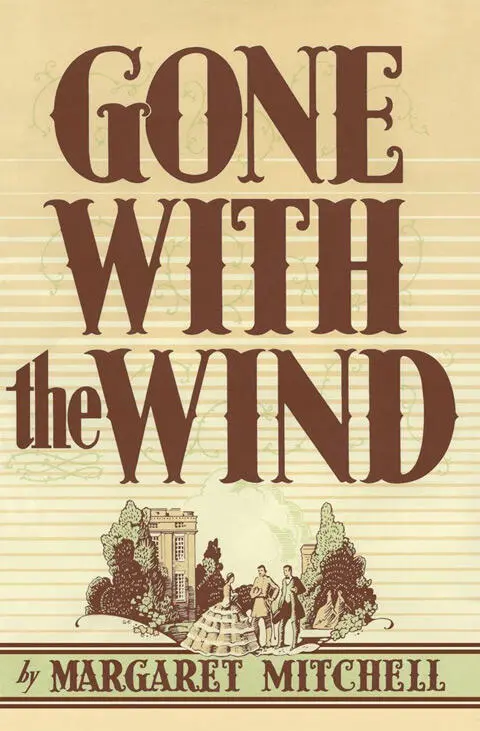
- Название:Gone with the Wind
- Автор:
- Жанр:
- Год:неизвестен
- ISBN:нет данных
- Рейтинг книги:4.17 / 5. Голосов: 6
-
Избранное:Добавить в избранное
- Отзывы:
-
Ваша оценка:
Gone with the Wind: краткое содержание, описание и аннотация
Предлагаем к чтению аннотацию, описание, краткое содержание или предисловие (зависит от того, что написал сам автор книги «Gone with the Wind»). Если вы не нашли необходимую информацию о книге — напишите в комментариях, мы постараемся отыскать её.
Gone with the Wind — читать онлайн бесплатно полную книгу (весь текст) целиком
Ниже представлен текст книги, разбитый по страницам. Система сохранения места последней прочитанной страницы, позволяет с удобством читать онлайн бесплатно книгу «Gone with the Wind», без необходимости каждый раз заново искать на чём Вы остановились. Поставьте закладку, и сможете в любой момент перейти на страницу, на которой закончили чтение.
Интервал:
Закладка:
Behind the shabby doors of the old houses, poverty and hunger lived—all the more bitter for the brave gentility with which they were borne, all the more pinching for the outward show of proud indifference to material wants. Dr. Meade could tell unlovely stories of those families who had been driven from mansions to boarding houses and from boarding houses to dingy rooms on back streets. He had too many lady patients who were suffering from “weak hearts” and “declines.” He knew, and they knew he knew, that slow starvation was the trouble. He could tell of consumption making inroads on entire families and of pellagra, once found only among poor whites, which was now appearing in Atlanta’s best families. And there were babies with thin rickety legs and mothers who could not nurse them. Once the old doctor had been wont to thank God reverently for each child he brought into the world. Now he did not think life was such a boon. It was a hard world for little babies and so many died in their first few months of life.
Bright lights and wine, fiddles and dancing, brocade and broadcloth in the showy big houses and, just around the corners, slow starvation and cold. Arrogance and callousness for the conquerors, bitter endurance and hatred for the conquered.
Chapter XXXVIII
Scarlett saw it all, lived with it by day, took it to bed with her at night, dreading always what might happen next. She knew that she and Frank were already in the Yankees’ black books, because of Tony, and disaster might descend on them at any hour. But, now of all times, she could not afford to be pushed back to her beginnings—not now with a baby coming, the mill just commencing to pay and Tara depending on her for money until the cotton came in in the fall. Oh, suppose she should lose everything! Suppose she should have to start all over again with only her puny weapons against this mad world! To have to pit her red lips and green eyes and her shrewd shallow brain against the Yankees and everything the Yankees stood for. Weary with dread, she felt that she would rather kill herself than try to make a new beginning.
In the ruin and chaos of that spring of 1866, she single mindedly turned her energies to making the mill pay. There was money in Atlanta. The wave of rebuilding was giving her the opportunity she wanted and she knew she could make money if only she could stay out of jail. But, she told herself time and again, she would have to walk easily, gingerly, be meek under insults, yielding to injustices, never giving offense to anyone, black or white, who might do her harm. She hated the impudent free negroes as much as anyone and her flesh crawled with fury every time she heard their insulting remarks and high-pitched laughter as she went by. But she never even gave them a glance of contempt. She hated the Carpetbaggers and Scallawags who were getting rich with ease while she struggled, but she said nothing in condemnation of them. No one in Atlanta could have loathed the Yankees more than she, for the very sight of a blue uniform made her sick with rage, but even in the privacy of her family she kept silent about them.
I won’t be a big-mouthed fool, she thought grimly. Let others break their hearts over the old days and the men who’ll never come back. Let others burn with fury over the Yankee rule and losing the ballot. Let others go to jail for speaking their minds and get themselves hanged for being in the Ku Klux Klan. (Oh, what a dreaded name that was, almost as terrifying to Scarlett as to the negroes.) Let other women be proud that their husbands belonged. Thank God, Frank had never been mixed up in it! Let others stew and fume and plot and plan about things they could not help. What did the past matter compared with the tense present and the dubious future? What did the ballot matter when bread, a roof and staying out of jail were the real problems? And, please God, just let me stay out of trouble until June!
Only till June! By that month Scarlett knew she would be forced to retire into Aunt Pitty’s house and remain secluded there until after her child was born. Already people were criticizing her for appearing in public when she was in such a condition. No lady ever showed herself when she was pregnant. Already Frank and Pitty were begging her not to expose herself—and them—to embarrassment and she had promised them to stop work in June.
Only till June! By June she must have the mill well enough established for her to leave it. By June she must have money enough to give her at least some little protection against misfortune. So much to do and so little time to do it! She wished for more hours of the day and counted the minutes, as she strained forward feverishly in her pursuit of money and still more money.
Because she nagged the timid Frank, the store was doing better now and he was even collecting some of the old bills. But it was the sawmill on which her hopes were pinned. Atlanta these days was like a giant plant which had been cut to the ground but now was springing up again with sturdier shoots, thicker foliage, more numerous branches. The demand for building materials was far greater than could be supplied. Prices of lumber, brick and stone soared and Scarlett kept the mill running from dawn until lantern light.
A part of every day she spent at the mill, prying into everything, doing her best to check the thievery she felt sure was going on. But most of the time she was riding about the town, making the rounds of builders, contractors and carpenters, even calling on strangers she had heard might build at future dates, cajoling them into promises of buying from her and her only.
Soon she was a familiar sight on Atlanta’s streets, sitting in her buggy beside the dignified, disapproving old darky driver, a lap robe pulled high about her, her little mittened hands clasped in her lap. Aunt Pitty had made her a pretty green mantelet which hid her figure and a green pancake hat which matched her eyes, and she always wore these becoming garments on her business calls. A faint dab of rouge on her cheeks and a fainter fragrance of cologne made her a charming picture, as long as she did not alight from the buggy and show her figure. And there was seldom any need for this, for she smiled and beckoned and the men came quickly to the buggy and frequently stood bareheaded in the rain to talk business with her.
She was not the only one who had seen the opportunities for making money out of lumber, but she did not fear her competitors. She knew with conscious pride in her own smartness that she was the equal of any of them. She was Gerald’s own daughter and the shrewd trading instinct she had inherited was now sharpened by her needs.
At first the other dealers had laughed at her, laughed with goodnatured contempt at the very idea of a woman in business. But now they did not laugh. They swore silently as they saw her ride by. The fact that she was a woman frequently worked in her favor, for she could upon occasion look so helpless and appealing that she melted hearts. With no difficulty whatever she could mutely convey the impression of a brave but timid lady, forced by brutal circumstance into a distasteful position, a helpless little lady who would probably starve if customers didn’t buy her lumber. But when ladylike airs failed to get results she was coldly businesslike and willingly undersold her competitors at a loss to herself if it would bring her a new customer. She was not above selling a poor grade of lumber for the price of good lumber if she thought she would not be detected, and she had no scruples about black-guarding the other lumber dealers. With every appearance of reluctance at disclosing the unpleasant truth, she would sigh and tell prospective customers that her competitors’ lumber was far too high in price, rotten, full of knot holes and in general of deplorably poor quality.
Читать дальшеИнтервал:
Закладка:
Похожие книги на «Gone with the Wind»
Представляем Вашему вниманию похожие книги на «Gone with the Wind» списком для выбора. Мы отобрали схожую по названию и смыслу литературу в надежде предоставить читателям больше вариантов отыскать новые, интересные, ещё непрочитанные произведения.










Обсуждение, отзывы о книге «Gone with the Wind» и просто собственные мнения читателей. Оставьте ваши комментарии, напишите, что Вы думаете о произведении, его смысле или главных героях. Укажите что конкретно понравилось, а что нет, и почему Вы так считаете.