Margaret Mitchell - Gone with the Wind
Здесь есть возможность читать онлайн «Margaret Mitchell - Gone with the Wind» весь текст электронной книги совершенно бесплатно (целиком полную версию без сокращений). В некоторых случаях можно слушать аудио, скачать через торрент в формате fb2 и присутствует краткое содержание. Жанр: Классическая проза, на английском языке. Описание произведения, (предисловие) а так же отзывы посетителей доступны на портале библиотеки ЛибКат.
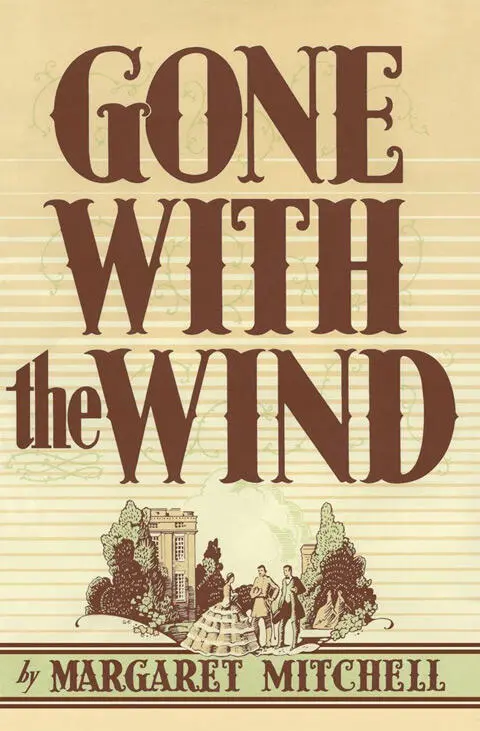
- Название:Gone with the Wind
- Автор:
- Жанр:
- Год:неизвестен
- ISBN:нет данных
- Рейтинг книги:4.17 / 5. Голосов: 6
-
Избранное:Добавить в избранное
- Отзывы:
-
Ваша оценка:
Gone with the Wind: краткое содержание, описание и аннотация
Предлагаем к чтению аннотацию, описание, краткое содержание или предисловие (зависит от того, что написал сам автор книги «Gone with the Wind»). Если вы не нашли необходимую информацию о книге — напишите в комментариях, мы постараемся отыскать её.
Gone with the Wind — читать онлайн бесплатно полную книгу (весь текст) целиком
Ниже представлен текст книги, разбитый по страницам. Система сохранения места последней прочитанной страницы, позволяет с удобством читать онлайн бесплатно книгу «Gone with the Wind», без необходимости каждый раз заново искать на чём Вы остановились. Поставьте закладку, и сможете в любой момент перейти на страницу, на которой закончили чтение.
Интервал:
Закладка:
She did not think of it consciously but in the back of her mind, whenever she was confronted by an unpleasant and difficult task, the idea lurked giving her strength: “I’ve done murder and so I can surely do this.”
She had changed more than she knew and the shell of hardness which had begun to form about her heart when she lay in the slave garden at Twelve Oaks was slowly thickening.
Now that she had a horse, Scarlett could find out for herself what had happened to their neighbors. Since she came home she had wondered despairingly a thousand times: “Are we the only folks left in the County? Has everybody else been burned out? Have they all refugeed to Macon?” With the memory of the ruins of Twelve Oaks, the MacIntosh place and the Slattery shack fresh in her mind, she almost dreaded to discover the truth. But it was better to know the worst than to wonder. She decided to ride to the Fontaines’ first, not because they were the nearest neighbors but because old Dr. Fontaine might be there. Melanie needed a doctor. She was not recovering as she should and Scarlett was frightened by her white weakness.
So on the first day when her foot had healed enough to stand a slipper, she mounted the Yankee’s horse. One foot in the shortened stirrup and the other leg crooked about the pommel in an approximation of a side saddle, she set out across the fields toward Mimosa, steeling herself to find it burned.
To her surprise and pleasure, she saw the faded yellow-stucco house standing amid the mimosa trees, looking as it had always looked. Warm happiness, happiness that almost brought tears, flooded her when the three Fontaine women came out of the house to welcome her with kisses and cries of joy.
But when the first exclamations of affectionate greeting were over and they all had trooped into the dining room to sit down, Scarlett felt a chill. The Yankees had not reached Mimosa because it was far off the main road. And so the Fontaines still had their stock and their provisions, but Mimosa was held by the same strange silence that hung over Tara, over the whole countryside. All the slaves except four women house servants had run away, frightened by the approach of the Yankees. There was not a man on the place unless Sally’s little boy, Joe, hardly out of diapers, could be counted as a man. Alone in the big house were Grandma Fontaine, in her seventies, her daughter-in-law who would always be known as Young Miss, though she was in her fifties, and Sally, who had barely turned twenty. They were far away from neighbors and unprotected, but if they were afraid it did not show on their faces. Probably, thought Scarlett, because Sally and Young Miss were too afraid of the porcelain—frail but indomitable old Grandma to dare voice any qualms. Scarlett herself was afraid of the old lady, for she had sharp eyes and a sharper tongue and Scarlett had felt them both in the past.
Though unrelated by blood and far apart in age, there was a kinship of spirit and experience binding these women together. All three wore home-dyed mourning, all were worn, sad, worried, all bitter with a bitterness that did not sulk or complain but, nevertheless, peered out from behind their smiles and their words of welcome. For their slaves were gone, their money was worthless, Sally’s husband, Joe, had died at Gettysburg and Young Miss was also a widow, for young Dr. Fontaine had died of dysentery at Vicksburg. The other two boys, Alex and Tony, were somewhere in Virginia and nobody knew whether they were alive or dead; and old Dr. Fontaine was off somewhere with Wheeler’s cavalry.
“And the old fool is seventy-three years old though he tries to act younger and he’s as full of rheumatism as a hog is of fleas,” said Grandma, proud of her husband, the light in her eyes belying her sharp words.
“Have you all had any news of what’s been happening in Atlanta?” asked Scarlett when they were comfortably settled. “We’re completely buried at Tara.”
“Law, child,” said Old Miss, taking charge of the conversation, as was her habit, “we’re in the same fix as you are. We don’t know a thing except that Sherman finally got the town.”
“So he did get it. What’s he doing now? Where’s the fighting now?”
“And how would three lone women out here in the country know about the war when we haven’t seen a letter or a newspaper in weeks?” said the old lady tartly. “One of our darkies talked to a darky who’d seen a darky who’d been to Jonesboro, and except for that we haven’t heard anything. What they said was that the Yankees were just squatting in Atlanta resting up their men and their horses, but whether it’s true or not you’re as good a judge as I am. Not that they wouldn’t need a rest, after the fight we gave them.”
“To think you’ve been at Tara all this time and we didn’t know!” Young Miss broke in. “Oh, how I blame myself for not riding over to see! But there’s been so much to do here with most all the darkies gone that I just couldn’t get away. But I should have made time to go. It wasn’t neighborly of me. But, of course, we thought the Yankees had burned Tara like they did Twelve Oaks and the MacIntosh house and that your folks had gone to Macon. And we never dreamed you were home, Scarlett.”
“Well, how were we to know different when Mr. O’Hara’s darkies came through here so scared they were popeyed and told us the Yankees were going to burn Tara?” Grandma interrupted.
“And we could see—” Sally began.
“I’m telling this, please,” said Old Miss shortly. “And they said the Yankees were camped all over Tara and your folks were fixing to go to Macon. And then that night we saw the glare of fire over toward Tara and it lasted for hours and it scared our fool darkies so bad they all ran off. What burned?”
“All our cotton—a hundred and fifty thousand dollars worth,” said Scarlett bitterly.
“Be thankful it wasn’t your house,” said Grandma, leaning her chin on her cane. “You can always grow more cotton and you can’t grow a house. By the bye, had you all started picking your cotton?”
“No,” said Scarlett, “and now most of it is ruined. I don’t imagine there’s more than three bales left standing, in the far field in the creek bottom, and what earthly good will it do? All our field hands are gone and there’s nobody to pick it.”
“Mercy me, all our field hands are gone and there’s nobody to pick it!” mimicked Grandma and bent a satiric glance on Scarlett. “What’s wrong with your own pretty paws, Miss, and those of your sisters?”
“Me? Pick cotton?” cried Scarlett aghast, as if Grandma had been suggesting some repulsive crime. “Like a field hand? Like white trash? Like the Slattery women?”
“White trash, indeed! Well, isn’t this generation soft and ladylike! Let me tell you, Miss, when I was a girl my father lost all his money and I wasn’t above doing honest work with my hands and in the fields too, till Pa got enough money to buy some more darkies. I’ve hoed my row and I’ve picked my cotton and I can do it again if I have to. And it looks like I’ll have to. White trash, indeed!”
“Oh, but Mama Fontaine,” cried her daughter-in-law, casting imploring glances at the two girls, urging them to help her smooth the old lady’s feathers. “That was so long ago, a different day entirely, and times have changed.”
“Times never change when there’s a need for honest work to be done,” stated the sharp-eyed old lady, refusing to be soothed. “And I’m ashamed for your mother, Scarlett, to hear you stand there and talk as though honest work made white trash out of nice people. ‘When Adam delved and Eve span’—”
To change the subject, Scarlett hastily questioned: “What about the Tarletons and the Calverts? Were they burned out? Have they refugeed to Macon?”
Читать дальшеИнтервал:
Закладка:
Похожие книги на «Gone with the Wind»
Представляем Вашему вниманию похожие книги на «Gone with the Wind» списком для выбора. Мы отобрали схожую по названию и смыслу литературу в надежде предоставить читателям больше вариантов отыскать новые, интересные, ещё непрочитанные произведения.








Обсуждение, отзывы о книге «Gone with the Wind» и просто собственные мнения читателей. Оставьте ваши комментарии, напишите, что Вы думаете о произведении, его смысле или главных героях. Укажите что конкретно понравилось, а что нет, и почему Вы так считаете.