Philippa Gregory - The Queen's Fool
Здесь есть возможность читать онлайн «Philippa Gregory - The Queen's Fool» — ознакомительный отрывок электронной книги совершенно бесплатно, а после прочтения отрывка купить полную версию. В некоторых случаях можно слушать аудио, скачать через торрент в формате fb2 и присутствует краткое содержание. Жанр: Историческая проза, на английском языке. Описание произведения, (предисловие) а так же отзывы посетителей доступны на портале библиотеки ЛибКат.
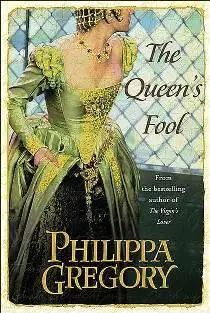
- Название:The Queen's Fool
- Автор:
- Жанр:
- Год:неизвестен
- ISBN:нет данных
- Рейтинг книги:5 / 5. Голосов: 1
-
Избранное:Добавить в избранное
- Отзывы:
-
Ваша оценка:
The Queen's Fool: краткое содержание, описание и аннотация
Предлагаем к чтению аннотацию, описание, краткое содержание или предисловие (зависит от того, что написал сам автор книги «The Queen's Fool»). Если вы не нашли необходимую информацию о книге — напишите в комментариях, мы постараемся отыскать её.
The Queen's Fool — читать онлайн ознакомительный отрывок
Ниже представлен текст книги, разбитый по страницам. Система сохранения места последней прочитанной страницы, позволяет с удобством читать онлайн бесплатно книгу «The Queen's Fool», без необходимости каждый раз заново искать на чём Вы остановились. Поставьте закладку, и сможете в любой момент перейти на страницу, на которой закончили чтение.
Интервал:
Закладка:
“She needs to rest,” I said. Secretly I was afraid for the queen in that dark room. I thought that she would be ill if she were to be kept from the light and the sunshine for so long. She would not be allowed to see the king, nor to have any company or music or singing or dancing. She would be like a prisoner in her own chamber. And in less than two months’ time, when the baby would come, it would be unendurably hot, locked into that room, curtained in darkness and shrouded in cloth.
Elizabeth stepped back from the doorway with an ostentatiously virginal shudder, and led the way through the presence chamber and into the gallery. Long solemn portraits of Spanish grandees and princes now lined the walls. Elizabeth went past them without turning her head, as if by ignoring them she could make them disappear.
“Funny to think of her releasing me from prison just as she goes into her confinement,” she said, hiding her glee as best she could. “If she knew what it was like being trapped inside four walls she would change the tradition. I will never be locked up again.”
“She will do her duty for the baby,” I said firmly.
Elizabeth smiled, holding to her own opinion with serene self-confidence. “I hear you went to see Lord Robert in the Tower.” She took my arm and drew me close to her, so that she could whisper.
“He wanted some writing paper from my father’s old shop,” I replied steadily.
“He gave you a message for Kat,” Elizabeth pursued. “She told me herself.”
“I delivered it to her, herself. About ribbons,” I said dampeningly. “He is accustomed to use me as his haberdasher and stationer. It is where he first saw me, at my father’s shop.”
She paused and looked at me. “So you know nothing about anything, Hannah?”
“Exactly so,” I said.
“You won’t see this then,” she said smartly, and released her hold on me to turn and smile over her shoulder at a gentleman in a dark suit, who had come out of a side room behind us and was following us, walking slowly in our wake.
To my amazement I recognized the king. I pressed myself back against the wall and bowed, but he did not even notice me, his eyes were fixed on Elizabeth. His pace quickened as he saw the momentary hesitation in Elizabeth’s step, as she paused and smiled at him; but she did not turn and curtsey as she should have done. She walked serenely down the length of the gallery, her hips slightly swaying. Her every pace was an invitation to any man to follow her. When she reached the end of the gallery at the paneled door she paused, her hand on the handle, and turned to glance over her shoulder, an open challenge to him to follow, then she slipped through the door and in a second she was gone, leaving him staring after her.
The weather grew warmer and the queen lost some of her glow. In the first week of May, having left it as late as she could, she said farewell to the court and went through the doors of her privy chamber to the darkened interior where she must stay until the birth of her boy, and for six weeks after that, before being churched. The only people to see her would be her ladies; the queen’s council would have to take their orders from the king, acting in her stead. Messages would be passed into the chamber by her ladies, though it was already being whispered that the queen had asked the king to visit her privately. She could not tolerate the thought of not seeing him for three months, however improper it was that he should come to her at such a time.
Thinking of the look that Elizabeth had shot the king, and how he had followed her swaying hips down the long gallery like a hungry dog, I thought that the queen was well advised to ask him to visit, whatever the tradition of royal births. Elizabeth was not a girl that anyone should trust with their husband, especially when the wife was locked away for a full quarter of the year.
The baby was a little late, the weeks came and went with no sign of him. The midwives predicted a stronger baby for taking his own time and an easier labor when it started, which it must do, any day now. But as May went by they started to remark that it was an exceptionally late baby. The nursemaids rolled their swaddling bandages and started to talk about getting fresh herbs for strewing. The doctors smiled and tactfully suggested that a lady as spiritual and otherworldly as the queen might have mistaken the date of conception; we might have to wait till the end of the month.
While the long hot dull weeks of waiting dragged on there was an embarrassing moment when some rumor set the city of London alight with the news that the queen had given birth to a son. The city went wild, ringing bells and singing in the streets, and the revelers roistered all the way to Hampton Court to learn that nothing had happened, that we were all still waiting, that there was nothing to do but wait.
I sat with Queen Mary every day in the shrouded room. Sometimes I read to her from the Bible in Spanish, sometimes I gave her little pieces of news about the court, or told her Will’s latest nonsense. I took flowers in for her, hedgerow flowers like daisies, and then the little roses in bud, anything to give her a sense that there was still an outside world which she would rejoin soon. She took them with a smile of pleasure. “What, are the roses in bud already?”
“Yes, Your Grace.”
“I shall be sorry to miss the sight of them this year.”
As I had feared, the darkness and quietness of the room was preying on her spirits. With the curtains drawn and the candles lit, it was too dark to sew for very long without gaining a splitting headache, it was a chore to read. The doctors had ruled that she should not have music, and the ladies soon ran out of conversation. The air grew stale and heavy, filled with woodsmoke from the hot fire, and the sighs of her imprisoned companions. After a morning spent with her I found I was coming out of the doors at a run, desperate to be out again in the fresh air and sunshine.
The queen had started the confinement with a serene expectation of giving birth soon. Like any woman facing a first labor she was a little afraid, the more so since she was really too old to have a first child. But she had been borne up by her conviction that God had given her this child, that the baby had quickened when the Papal legate had returned to England, that this conception was a sign of divine favor. Mary, as God’s handmaiden, had been confident. But as the days wore on into weeks, her contentment was undermined by the delay. The good wishes that came pouring in from all around the country were like a string of demands for a son. The letters from her father-in-law, the emperor, inquiring as to the delay, read like a reproach. The doctors said that all the signs showed that the baby was coming soon, but still he did not come.
Jane Dormer went around with a face like thunder. Anyone who dared to ask after the health of the queen was stared out of countenance for their impertinence. “Do I look like some village witch?” she demanded of one woman in my hearing. “Do I look like an astrologer, casting spells, guessing birth dates? No? The Queen’s Grace will take to her bed when she thinks fit and not before, and we shall have a prince when God grants it and not before.”
It was a staunch defense and it could hold off the courtiers, but it could not protect the queen from her own painful growing unease. I had seen her unhappy and fearful before and I recognized the gauntness of her face as the shine was rubbed off her.
Elizabeth, in contrast, now free to go where she would, ride where she liked, boat, walk, play at sports, grew more and more confident as the summer drew on. She had lost the fleshiness that had come with her illness, she was filled with energy and zest for life. The Spanish adored her — her coloring alone was fascinating to them. When she rode her great gray hunter in her green riding habit with her copper hair spread out on her shoulders they called her Enchantress, and Beautiful Brass-head. Elizabeth would smile and protest at the fuss they made, and so encourage them even more.
Читать дальшеИнтервал:
Закладка:
Похожие книги на «The Queen's Fool»
Представляем Вашему вниманию похожие книги на «The Queen's Fool» списком для выбора. Мы отобрали схожую по названию и смыслу литературу в надежде предоставить читателям больше вариантов отыскать новые, интересные, ещё непрочитанные произведения.







Обсуждение, отзывы о книге «The Queen's Fool» и просто собственные мнения читателей. Оставьте ваши комментарии, напишите, что Вы думаете о произведении, его смысле или главных героях. Укажите что конкретно понравилось, а что нет, и почему Вы так считаете.