Elizabeth Gaskell - Mary Barton
Здесь есть возможность читать онлайн «Elizabeth Gaskell - Mary Barton» — ознакомительный отрывок электронной книги совершенно бесплатно, а после прочтения отрывка купить полную версию. В некоторых случаях можно слушать аудио, скачать через торрент в формате fb2 и присутствует краткое содержание. Жанр: unrecognised, на английском языке. Описание произведения, (предисловие) а так же отзывы посетителей доступны на портале библиотеки ЛибКат.
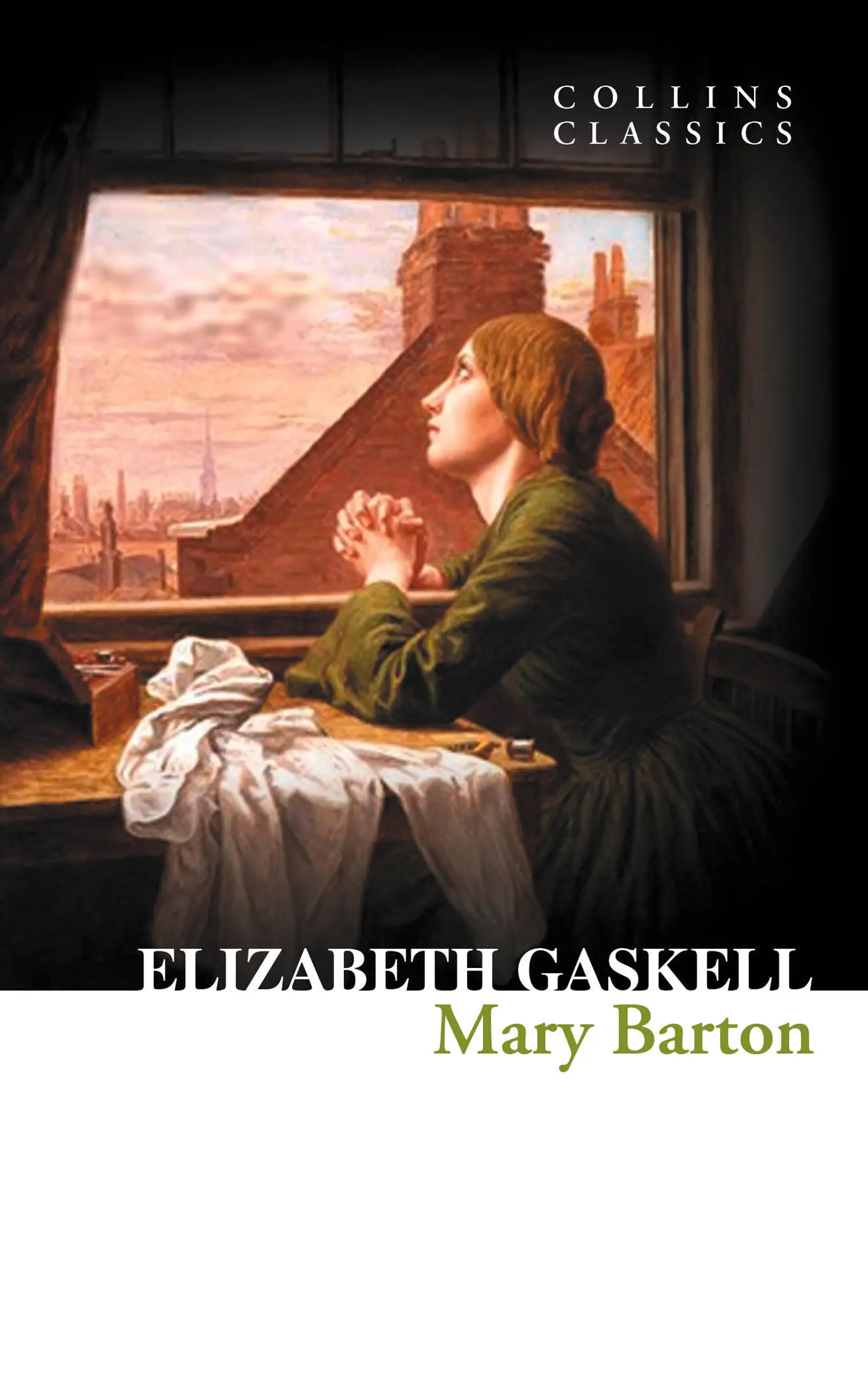
- Название:Mary Barton
- Автор:
- Жанр:
- Год:неизвестен
- ISBN:нет данных
- Рейтинг книги:4 / 5. Голосов: 1
-
Избранное:Добавить в избранное
- Отзывы:
-
Ваша оценка:
Mary Barton: краткое содержание, описание и аннотация
Предлагаем к чтению аннотацию, описание, краткое содержание или предисловие (зависит от того, что написал сам автор книги «Mary Barton»). Если вы не нашли необходимую информацию о книге — напишите в комментариях, мы постараемся отыскать её.
Mary Barton — читать онлайн ознакомительный отрывок
Ниже представлен текст книги, разбитый по страницам. Система сохранения места последней прочитанной страницы, позволяет с удобством читать онлайн бесплатно книгу «Mary Barton», без необходимости каждый раз заново искать на чём Вы остановились. Поставьте закладку, и сможете в любой момент перейти на страницу, на которой закончили чтение.
Интервал:
Закладка:
The coffee steamed upon the fire, and altogether the odours were so mixed and appetising, that Wilson began to yearn for food to break his fast, which had lasted since dinner the day before. If the servants had known this, they would have willingly given him meat and bread in abundance; but they were like the rest of us, and, not feeling hunger themselves, forgot it was possible another might. So Wilson’s craving turned to sickness, while they chatted on, making the kitchen’s free and keen remarks upon the parlour.
‘How late you were last night, Thomas!’
‘Yes, I was right weary of waiting; they told me to be at the rooms by twelve; and there I was. But it was two o’clock before they called me.’
‘And did you wait all that time in the street?’ asked the housemaid, who had done her work for the present, and come into the kitchen for a bit of gossip.
‘My eye as like! you don’t think I’m such a fool as to catch my death of cold, and let the horses catch their death too, as we should ha’ done if we’d stopped there. No! I put th’ horses up in th’ stables at th’ Spread Eagle, and went mysel, and got a glass or two by th’ fire. They’re driving a good custom, them, wi’ coachmen. There were five on us, and we’d many a quart o’ ale, and gin wi’ it, to keep out th’ cold.’
‘Mercy on us, Thomas; you’ll get a drunkard at last!’
‘If I do, I know whose blame it will be. It will be missis’s, and not mine. Flesh and blood can’t sit to be starved to death on a coach-box, waiting for folks as don’t know their own mind.’
A servant, semi-upper-housemaid, semi-lady’s-maid, now came down with orders from her mistress.
‘Thomas, you must ride to the fishmonger’s, and say missis can’t give above half-a-crown a pound for salmon for Tuesday; she’s grumbling because trade’s so bad. And she’ll want the carriage at three to go to the lecture, Thomas; at the Royal Execution, you know.’
‘Ay, ay, I know.’
‘And you’d better all of you mind your P’s and Q’s, for she’s very black this morning. She’s got a bad headache.’
‘It’s a pity Miss Jenkins is not here to match her. Lord! how she and missis did quarrel which had got the worst headaches; it was that Miss Jenkins left for; she would not give up having bad headaches, and missis could not abide any one to have ’em but herself.’
‘Missis will have her breakfast upstairs, cook, and the cold partridge as was left yesterday, and put plenty of cream in her coffee, and she thinks there’s a roll left, and she would like it well buttered.’
So saying, the maid left the kitchen to be ready to attend to the young ladies’ bell when they chose to ring, after their late assembly the night before.
In the luxurious library, at the well-spread breakfast-table, sat the two Mr Carsons, father and son. Both were reading – the father a newspaper, the son a review – while they lazily enjoyed their nicely prepared food. The father was a prepossessing-looking old man; perhaps self-indulgent you might guess. The son was strikingly handsome, and knew it. His dress was neat and well appointed, and his manners far more gentlemanly than his father’s. He was the only son, and his sisters were proud of him; his father and mother were proud of him: he could not set up his judgment against theirs; he was proud of himself.
The door opened, and in bounded Amy, the sweet youngest daughter of the house, a lovely girl of sixteen, fresh and glowing, and bright as a rosebud. She was too young to go to assemblies, at which her father rejoiced, for he had little Amy with her pretty jokes, and her bird-like songs, and her playful caresses all the evening to amuse him in his loneliness; and she was not too much tired, like Sophy and Helen, to give him her sweet company at breakfast the next morning.
He submitted willingly while she blinded him with her hands, and kissed his rough red face all over. She took his newspaper away after a little pretended resistance, and would not allow her brother Harry to go on with his review.
‘I’m the only lady this morning, papa, so you know you must make a great deal of me.’
‘My darling, I think you have your own way always, whether you’re the only lady or not.’
‘Yes, papa, you’re pretty good and obedient, I must say that; but I’m sorry to say Harry is very naughty, and does not do what I tell him; do you, Harry?’
‘I’m sure I don’t know what you mean to accuse me of, Amy; I expected praise and not blame; for did I not get you that eau de Portugal from town, that you could not meet with at Hughes’, you little ungrateful puss?’
‘Did you? Oh, sweet Harry; you’re as sweet as eau de Portugal yourself; you’re almost as good as papa; but still you know you did go and forget to ask Bigland for that rose, that new rose they say he has got.’
‘No, Amy, I did not forget. I asked him, and he has got the rose, sans reproche : but do you know, little Miss Extravagance, a very small one is half-a-guinea?’
‘Oh, I don’t mind. Papa will give it me, won’t you, dear father? He knows his little daughter can’t live without flowers and scents.’
Mr Carson tried to refuse his darling, but she coaxed him into acquiescence, saying she must have it, it was one of her necessaries. Life was not worth having without flowers.
‘Then, Amy,’ said her brother, ‘try and be content with peonies and dandelions.’
‘Oh, you wretch! I don’t call them flowers. Besides, you’re every bit as extravagant. Who gave half-a-crown for a bunch of lilies of the valley at Yates’, a month ago, and then would not let his poor little sister have them, though she went on her knees to beg them? Answer me that, Master Hal.’
‘Not on compulsion,’ replied her brother, smiling with his mouth, while his eyes had an irritated expression, and he went first red, then pale, with vexed embarrassment.
‘If you please, sir,’ said a servant, entering the room, ‘here’s one of the mill people wanting to see you; his name is Wilson, he says.’
‘I’ll come to him directly; stay, tell him to come in here.’
Amy danced off into the conservatory which opened out of the room, before the gaunt, pale, unwashed, unshaven weaver was ushered in. There he stood at the door sleeking his hair with old country habit, and every now and then stealing a glance round at the splendour of the apartment.
‘Well, Wilson, and what do you want to-day, man?’
‘Please, sir, Davenport’s ill of the fever, and I’m come to know if you’ve got an Infirmary order for him?’
‘Davenport – Davenport; who is the fellow? I don’t know the name.’
‘He’s worked in your factory better nor three years, sir.’
‘Very likely; I don’t pretend to know the names of the men I employ; that I leave to the overlooker. So he’s ill, eh?’
‘Ay, sir, he’s very bad; we want to get him in at the Fever Wards.’
‘I doubt if I’ve an in-patient’s order to spare at present; but I’ll give you an out-patient’s and welcome.’
So saying, he rose up, unlocked a drawer, pondered a minute, and then gave Wilson an out-patient’s order.
Meanwhile, the younger Mr Carson had ended his review, and began to listen to what was going on. He finished his breakfast, got up, and pulled five shillings out of his pocket, which he gave to Wilson as he passed him, for the ‘poor fellow.’ He went past quickly, and calling for his horse, mounted gaily, and rode away. He was anxious to be in time to have a look and a smile from lovely Mary Barton, as she went to Miss Simmonds’. But to-day he was to be disappointed. Wilson left the house, not knowing whether to be pleased or grieved. They had all spoken kindly to him, and who could tell if they might not inquire into Davenport’s case, and do something for him and his family. Besides, the cook, who, when she had had time to think, after breakfast was sent in, had noticed his paleness, had had meat and bread ready to put in his hand when he came out of the parlour; and a full stomach makes every one of us more hopeful.
Читать дальшеИнтервал:
Закладка:
Похожие книги на «Mary Barton»
Представляем Вашему вниманию похожие книги на «Mary Barton» списком для выбора. Мы отобрали схожую по названию и смыслу литературу в надежде предоставить читателям больше вариантов отыскать новые, интересные, ещё непрочитанные произведения.



Обсуждение, отзывы о книге «Mary Barton» и просто собственные мнения читателей. Оставьте ваши комментарии, напишите, что Вы думаете о произведении, его смысле или главных героях. Укажите что конкретно понравилось, а что нет, и почему Вы так считаете.