Томас Гоббс - Leviathan
Здесь есть возможность читать онлайн «Томас Гоббс - Leviathan» — ознакомительный отрывок электронной книги совершенно бесплатно, а после прочтения отрывка купить полную версию. В некоторых случаях можно слушать аудио, скачать через торрент в формате fb2 и присутствует краткое содержание. Год выпуска: 2014, Издательство: epubBooks Classics, Жанр: Философия, Политика, Религия, на английском языке. Описание произведения, (предисловие) а так же отзывы посетителей доступны на портале библиотеки ЛибКат.
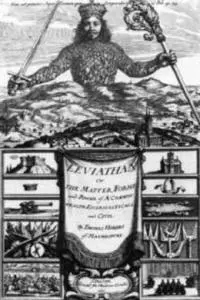
- Название:Leviathan
- Автор:
- Издательство:epubBooks Classics
- Жанр:
- Год:2014
- ISBN:нет данных
- Рейтинг книги:4 / 5. Голосов: 1
-
Избранное:Добавить в избранное
- Отзывы:
-
Ваша оценка:
Leviathan: краткое содержание, описание и аннотация
Предлагаем к чтению аннотацию, описание, краткое содержание или предисловие (зависит от того, что написал сам автор книги «Leviathan»). Если вы не нашли необходимую информацию о книге — напишите в комментариях, мы постараемся отыскать её.
Leviathan — читать онлайн ознакомительный отрывок
Ниже представлен текст книги, разбитый по страницам. Система сохранения места последней прочитанной страницы, позволяет с удобством читать онлайн бесплатно книгу «Leviathan», без необходимости каждый раз заново искать на чём Вы остановились. Поставьте закладку, и сможете в любой момент перейти на страницу, на которой закончили чтение.
Интервал:
Закладка:
Also Riches joyned with liberality, is Power; because it procureth friends, and servants: Without liberality, not so; because in this case they defend not; but expose men to Envy, as a Prey.
Reputation of power, is Power; because it draweth with it the adhaerance of those that need protection.
So is Reputation of love of a mans Country, (called Popularity,) for the same Reason.
Also, what quality soever maketh a man beloved, or feared of many; or the reputation of such quality, is Power; because it is a means to have the assistance, and service of many.
Good successe is Power; because it maketh reputation of Wisdome, or good fortune; which makes men either feare him, or rely on him.
Affability of men already in power, is encrease of Power; because it gaineth love.
Reputation of Prudence in the conduct of Peace or War, is Power; because to prudent men, we commit the government of our selves, more willingly than to others.
Nobility is Power, not in all places, but onely in those Common–wealths, where it has Priviledges: for in such priviledges consisteth their Power.
Eloquence is Power; because it is seeming Prudence.
Forme is Power; because being a promise of Good, it recommendeth men to the favour of women and strangers.
The Sciences, are small Power; because not eminent; and therefore, not acknowledged in any man; nor are at all, but in a few; and in them, but of a few things. For Science is of that nature, as none can understand it to be, but such as in a good measure have attayned it.
Arts of publique use, as Fortification, making of Engines, and other Instruments of War; because they conferre to Defence, and Victory, are Power; And though the true Mother of them, be Science, namely the Mathematiques; yet, because they are brought into the Light, by the hand of the Artificer, they be esteemed (the Midwife passing with the vulgar for the Mother,) as his issue.
Worth
The Value, or WORTH of a man, is as of all other things, his Price; that is to say, so much as would be given for the use of his Power: and therefore is not absolute; but a thing dependant on the need and judgement of another. An able conductor of Souldiers, is of great Price in time of War present, or imminent; but in Peace not so. A learned and uncorrupt Judge, is much Worth in time of Peace; but not so much in War. And as in other things, so in men, not the seller, but the buyer determines the Price. For let a man (as most men do,) rate themselves as the highest Value they can; yet their true Value is no more than it is esteemed by others.
The manifestation of the Value we set on one another, is that which is commonly called Honouring, and Dishonouring. To Value a man at a high rate, is to Honour him; at a low rate, is to Dishonour him. But high, and low, in this case, is to be understood by comparison to the rate that each man setteth on himselfe.
Dignity
The publique worth of a man, which is the Value set on him by the Common–wealth, is that which men commonly call DIGNITY. And this Value of him by the Common–wealth, is understood, by offices of Command, Judicature, publike Employment; or by Names and Titles, introduced for distinction of such Value.
To Honour and Dishonour
To pray to another, for ayde of any kind, is to HONOUR; because a signe we have an opinion he has power to help; and the more difficult the ayde is, the more is the Honour.
To obey, is to Honour; because no man obeyes them, whom they think have no power to help, or hurt them. And consequently to disobey, is to Dishonour.
To give great gifts to a man, is to Honour him; because 'tis buying of Protection, and acknowledging of Power. To give little gifts, is to Dishonour; because it is but Almes, and signifies an opinion of the need of small helps. To be sedulous in promoting anothers good; also to flatter, is to Honour; as a signe we seek his protection or ayde. To neglect, is to Dishonour.
To give way, or place to another, in any Commodity, is to Honour; being a confession of greater power. To arrogate, is to Dishonour.
To shew any signe of love, or feare of another, is to Honour; for both to love, and to feare, is to value. To contemne, or lesse to love or feare then he expects, is to Dishonour; for 'tis undervaluing.
To praise, magnifie, or call happy, is to Honour; because nothing but goodnesse, power, and felicity is valued. To revile, mock, or pitty, is to Dishonour.
To speak to another with consideration, to appear before him with decency, and humility, is to Honour him; as signes of fear to offend. To speak to him rashly, to do anything before him obscenely, slovenly, impudently, is to Dishonour.
To believe, to trust, to rely on another, is to Honour him; signe of opinion of his vertue and power. To distrust, or not believe, is to Dishonour.
To hearken to a mans counsell, or discourse of what kind soever, is to Honour; as a signe we think him wise, or eloquent, or witty. To sleep, or go forth, or talk the while, is to Dishonour.
To do those things to another, which he takes for signes of Honour, or which the Law or Custome makes so, is to Honour; because in approving the Honour done by others, he acknowledgeth the power which others acknowledge. To refuse to do them, is to Dishonour.
To agree with in opinion, is to Honour; as being a signe of approving his judgement, and wisdome. To dissent, is Dishonour; and an upbraiding of errour; and (if the dissent be in many things) of folly.
To imitate, is to Honour; for it is vehemently to approve. To imitate ones Enemy, is to Dishonour.
To honour those another honours, is to Honour him; as a signe of approbation of his judgement. To honour his Enemies, is to Dishonour him.
To employ in counsell, or in actions of difficulty, is to Honour; as a signe of opinion of his wisdome, or other power. To deny employment in the same cases, to those that seek it, is to Dishonour.
All these wayes of Honouring, are naturall; and as well within, as without Common–wealths. But in Common–wealths, where he, or they that have the supreme Authority, can make whatsoever they please, to stand for signes of Honour, there be other Honours.
A Soveraigne doth Honour a Subject, with whatsoever Title, or Office, or Employment, or Action, that he himselfe will have taken for a signe of his will to Honour him.
The King of Persia, Honoured Mordecay, when he appointed he should be conducted through the streets in the Kings Garment, upon one of the Kings Horses, with a Crown on his head, and a Prince before him, proclayming, "Thus shall it be done to him that the King will honour." And yet another King of Persia, or the same another time, to one that demanded for some great service, to weare one of the Kings robes, gave him leave so to do; but with his addition, that he should weare it as the Kings foole; and then it was Dishonour. So that of Civill Honour; such as are Magistracy, Offices, Titles; and in some places Coats, and Scutchions painted: and men Honour such as have them, as having so many signes of favour in the Common–wealth; which favour is Power.
Honourable is whatsoever possession, action, or quality, is an argument and signe of Power.
And therefore To be Honoured, loved, or feared of many, is Honourable; as arguments of Power. To be Honoured of few or none, Dishonourable.
Good fortune (if lasting,) Honourable; as a signe of the favour of God. Ill fortune, and losses, Dishonourable. Riches, are Honourable; for they are Power. Poverty, Dishonourable. Magnanimity, Liberality, Hope, Courage, Confidence, are Honourable; for they proceed from the conscience of Power. Pusillanimity, Parsimony, Fear, Diffidence, are Dishonourable.
Timely Resolution, or determination of what a man is to do, is Honourable; as being the contempt of small difficulties, and dangers. And Irresolution, Dishonourable; as a signe of too much valuing of little impediments, and little advantages: For when a man has weighed things as long as the time permits, and resolves not, the difference of weight is but little; and therefore if he resolve not, he overvalues little things, which is Pusillanimity.
Читать дальшеИнтервал:
Закладка:
Похожие книги на «Leviathan»
Представляем Вашему вниманию похожие книги на «Leviathan» списком для выбора. Мы отобрали схожую по названию и смыслу литературу в надежде предоставить читателям больше вариантов отыскать новые, интересные, ещё непрочитанные произведения.


Обсуждение, отзывы о книге «Leviathan» и просто собственные мнения читателей. Оставьте ваши комментарии, напишите, что Вы думаете о произведении, его смысле или главных героях. Укажите что конкретно понравилось, а что нет, и почему Вы так считаете.