Jay Budgett - The Indigo Thief
Здесь есть возможность читать онлайн «Jay Budgett - The Indigo Thief» весь текст электронной книги совершенно бесплатно (целиком полную версию без сокращений). В некоторых случаях можно слушать аудио, скачать через торрент в формате fb2 и присутствует краткое содержание. Год выпуска: 2014, ISBN: 2014, Издательство: Mason & Manchester Publishing, Жанр: sf_postapocalyptic, ya, на английском языке. Описание произведения, (предисловие) а так же отзывы посетителей доступны на портале библиотеки ЛибКат.
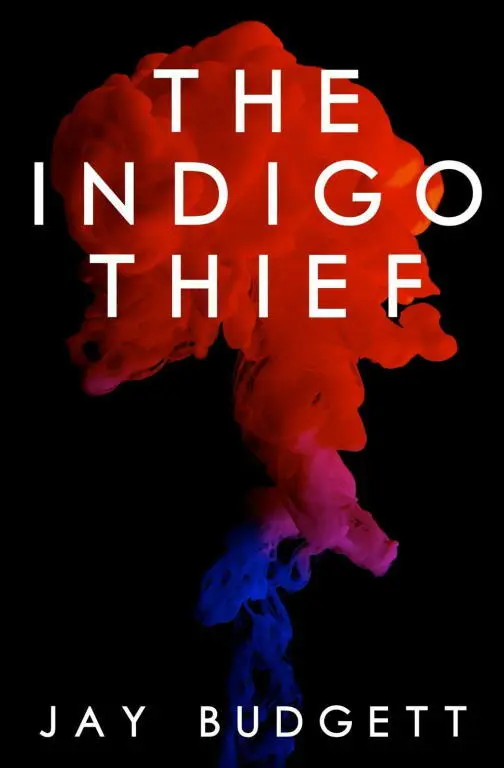
- Название:The Indigo Thief
- Автор:
- Издательство:Mason & Manchester Publishing
- Жанр:
- Год:2014
- ISBN:0990735311
- Рейтинг книги:4 / 5. Голосов: 2
-
Избранное:Добавить в избранное
- Отзывы:
-
Ваша оценка:
The Indigo Thief: краткое содержание, описание и аннотация
Предлагаем к чтению аннотацию, описание, краткое содержание или предисловие (зависит от того, что написал сам автор книги «The Indigo Thief»). Если вы не нашли необходимую информацию о книге — напишите в комментариях, мы постараемся отыскать её.
But the Indigo vaccine is always in short supply, exacerbated by attacks from thieves who wish to steal Indigo for themselves, capitalizing on its scarcity to generate profits and pull apart the very fabric of society.
After surviving such an attack, fifteen-year-old Kai Bradbury is declared an enemy of the state by the Feds. Captured by the Lost Boys-the world’s deadliest band of misfits-he must find a way to escape, prove his innocence, and save those he loves before it’s too late.
He must become what the world fears most: an Indigo thief.
The Indigo Thief — читать онлайн бесплатно полную книгу (весь текст) целиком
Ниже представлен текст книги, разбитый по страницам. Система сохранения места последней прочитанной страницы, позволяет с удобством читать онлайн бесплатно книгу «The Indigo Thief», без необходимости каждый раз заново искать на чём Вы остановились. Поставьте закладку, и сможете в любой момент перейти на страницу, на которой закончили чтение.
Интервал:
Закладка:
Mila ran her fingers along the sink’s porcelain edge. “We try not to take in kids who’ve still got reasons to be alive. Kids who have their families. Kids who have their friends. We know what happens to these people when they join our crew—they’re tortured and killed.
“But what were we supposed to do with you, Kai? You grabbed my leg. It was all over then, even if I managed to kick you off. To the Feds, you were already one of us. Was I supposed to leave you in the water to die? From the moment we learned you weren’t an orphan, we knew they had your mom. The second you grabbed my ankle, she was already gone.” Mila sounded detached. I guess she was trying to distance herself from what the Caravites and the Lost Boys had done.
“Right before you regained consciousness,” she went on, “we all made the choice to tell you that your mother was dead. We decided that as a group—and even Kindred agreed.” I thought about Kindred shaking her head ever so slightly—looking out for my best interest from the start. “We didn’t want you to feel guilty about not looking for her—or worse, do something dumb to get her back.
“It wasn’t an easy decision, but we all knew it was right. We’ve all watched our parents die, and we all live with those deaths every single day… There’s a reason we call ourselves the ‘Lost’ Boys, Kai.”
I nodded, but I knew she couldn’t understand. Wasn’t capable of understanding. The way she talked—it sounded like she was reading off a flash card.
But soon the Feds would take her away forever, and I still hadn’t got the truth. I decided it was worth a shot—to be honest, asking anything at this point was worth a shot. She might not want to tell me who she really was, but it was the last chance I’d get to ask.
“How’d the Commissioner know your father, Mila? Why do you still mumble about your sister, Sarah, in your sleep? Why are you really stealing Indigo?”
It was the second question that appeared to catch her off guard. “Sarah,” she muttered, her eyes watery. The way most kids our age acted when they thought about the last day of summer.
“Sarah died when she was eight years old. The year she died, Gwendolyn Cherry was the director of the Longevity Observation Termination Telesis Operative—the ‘Lotto.’ Sarah was in the thirty-three percent of kids who don’t make it to fifteen to receive their vaccination—the group that falls victim to the Carcinogens’ effects. The group the government tell us would be saved if there wasn’t an Indigo shortage.”
“So now you steal it,” I said. “You collect the thing that could’ve saved your sister.”
“Indigo couldn’t have saved Sarah,” Mila said, shaking her head. “She was doomed from the beginning. She had weak lungs—you heard Gwendolyn.
“Every year at Sarah’s Federal physical, they told us the odds weren’t good she’d make it. They told us that, but we never believed them. We didn’t think it would really happen. I don’t think you can ever believe that sort of thing. Mom used to say the rational heart refuses to accept bad news… I guess it’s true.”
“So how—how’d it happen?” My head was spinning. I didn’t understand what was going on. The more I learned, the more questions I had.
“It happened in class.” Mila swallowed hard. “Sarah went to write something on the board—she was a good student like that, better than I ever was—and she had these big glasses. Probably two sizes too big for her head. I think my mom bought them that way on purpose. Thought she might grow into them. That if we bought something as dumb as big glasses she would have no choice but to live long enough to grow into them…
“They shattered when she hit the floor. The doctors told us her lungs closed up, and then her heart just sort of stopped. It had all been painless, they assured us. They said she was lucky to have avoided the seizures most of the other children had when it happened. I didn’t think she was all that lucky.
“Mom took it the hardest. I’d come home from school, and she’d just be sitting there in her rocking chair, frantically gluing together the shards from Sarah’s broken glasses. She’d glue them together, and then pull them apart to try again. I think she thought if she glued the pieces perfectly, Sarah would come back to get them. Like Death itself would be reasonable and allow Sarah to go back for her glasses, and Mom could see her one more time. Grief makes people believe crazy things like that.”
My legs were shaking. I leaned against the kitchen counter to hold my weight. Why was Mila telling me this now? Why hadn’t she told me anything before?
“Once Mom lost it, Dad did too. You know he worked for the Ministry of Transportation & Commerce—the commissioner in Maui gave that away. Dad probably could have had his job if he hadn’t had Sarah and me. But he did, and you only have so much time—the clock’s always ticking off your fifty years.
“So one day, about a month after Sarah’s death, I came home from school, and they told me they were going for a drive. They were all dressed up. Mom wore her pearl earrings—the kind all moms wear on special occasions—and Dad had on a red tie. I asked if I could come with them, but they said no, they’d be back soon. And Mom took Sarah’s glasses with her. That’s when I knew something was wrong.”
I thought of Phoenix’s parents, of how he told me they were attacked at home. I’d thought he’d made the story up. But when I saw the tears in Mila’s eyes, I knew her story was true. She wasn’t the mushy sort. I wanted to give her a hug, and tell her it’d be okay. I guess I wanted someone to do the same for me.
“My parents never came back. They never came home. They drove themselves off a cliff.” I felt my knees buckle. I was going to be sick again. “The detectives guessed they died on impact, but they said we’d never know for sure. The sharks got to their bodies before anyone else could.” She stopped, and looked me right in the eyes.
I just shook my head. “I—I dunno what to say.”
She snorted. “Now you know how I’ve felt all day.” She put her hand on my shoulder. “I’m sorry about your mom, Kai.”
“Then why’d you do it?” I asked quietly. “Why’d you kill her?”
“WHAT?” She stepped back. “What the hell are you talking about? Who put that idea in your head?”
I stood silent, and she shook her head. A moment of realization flashed across her eyes.
“You talked to the chancellor. On the roof, after the raid… That’s why you took so long to fall. You were hanging there, talking to him.”
“I saw books lying around in the Caravan,” I said. “You were studying all her research—trying to figure out all the information you could squeeze from her—”
“Kai—”
“I saw the Caravites holding her down before she died. One of them fired the gun that killed her.” I stepped away from Mila, trying not to think about her sister, or what she’d been through, and just focus on what was at hand. “I know who and what you people are. I know what you’re trying to do here. I figured it out a long time ago—and it makes me sick. I’m sick of all these lies and all this bullshit .”
I pushed a tin of muffins to the floor. Mila grabbed my arm. “You don’t know anything,” she said. “You think you know, but you have no idea what’s really going on here. We didn’t kill your mom, Kai! We never had her. Neither did the Caravites, and I mean, really? Those idiots can barely keep their own damn boats together. I think hiding your own mother from you is a bit of a stretch.”
She squeezed my arm hard. “And what made you so certain they were Caravites? Because of their clothes? You think Feds always wear uniforms? That the bad guys always announce themselves with gunshots or explosions or—I don’t know—mariachi music? You think the Caravites would kill your mother right in front of you—for what? To deliberately turn you against them? Does that make ANY sense?
Читать дальшеИнтервал:
Закладка:
Похожие книги на «The Indigo Thief»
Представляем Вашему вниманию похожие книги на «The Indigo Thief» списком для выбора. Мы отобрали схожую по названию и смыслу литературу в надежде предоставить читателям больше вариантов отыскать новые, интересные, ещё непрочитанные произведения.

Обсуждение, отзывы о книге «The Indigo Thief» и просто собственные мнения читателей. Оставьте ваши комментарии, напишите, что Вы думаете о произведении, его смысле или главных героях. Укажите что конкретно понравилось, а что нет, и почему Вы так считаете.