Timothy Johnston - The Current
Здесь есть возможность читать онлайн «Timothy Johnston - The Current» весь текст электронной книги совершенно бесплатно (целиком полную версию без сокращений). В некоторых случаях можно слушать аудио, скачать через торрент в формате fb2 и присутствует краткое содержание. Город: Chapel Hill, Год выпуска: 2019, ISBN: 2019, Издательство: Algonquin Books of Chapel Hill, Жанр: Триллер, на английском языке. Описание произведения, (предисловие) а так же отзывы посетителей доступны на портале библиотеки ЛибКат.
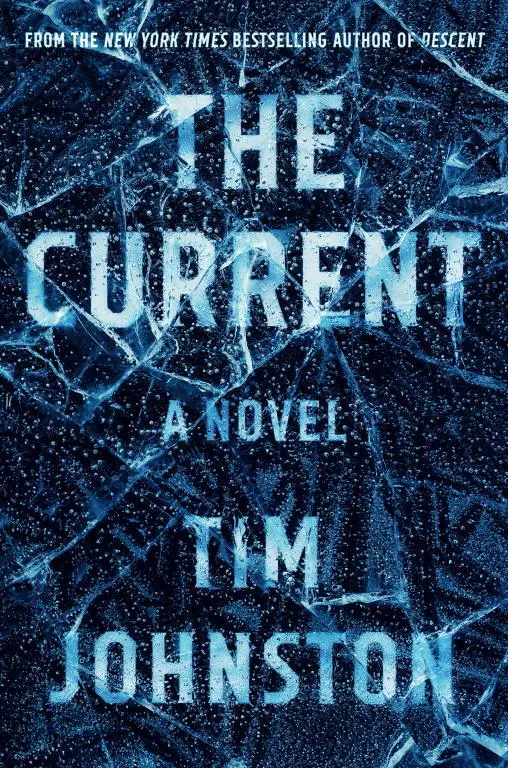
- Название:The Current
- Автор:
- Издательство:Algonquin Books of Chapel Hill
- Жанр:
- Год:2019
- Город:Chapel Hill
- ISBN:978-1-61620-889-9
- Рейтинг книги:4 / 5. Голосов: 1
-
Избранное:Добавить в избранное
- Отзывы:
-
Ваша оценка:
The Current: краткое содержание, описание и аннотация
Предлагаем к чтению аннотацию, описание, краткое содержание или предисловие (зависит от того, что написал сам автор книги «The Current»). Если вы не нашли необходимую информацию о книге — напишите в комментариях, мы постараемся отыскать её.
The Current — читать онлайн бесплатно полную книгу (весь текст) целиком
Ниже представлен текст книги, разбитый по страницам. Система сохранения места последней прочитанной страницы, позволяет с удобством читать онлайн бесплатно книгу «The Current», без необходимости каждый раз заново искать на чём Вы остановились. Поставьте закладку, и сможете в любой момент перейти на страницу, на которой закончили чтение.
Интервал:
Закладка:
“Can I ask, what was the old key attached to?”
“A backscratcher.”
“A backscratcher?”
She rolled her eyes. “I know. Ron asked the sheriff and them did they find his backscratcher in the girls’ car and they looked at him like he was crazy.”
“They didn’t find it,” Sutter said simply.
“No, sir.”
“Can I borrow this a minute?”
“Oh, sure. But they’ve been all in and out of there already, the sheriff and them.”
“I know. I just want to see for myself. If you don’t mind.”
“I don’t mind. It’s just around the side of the building.”
“Thank you.” He began to lift his hand to the brim of his hat but stopped himself, as he was wearing no hat. At the door he turned back.
“Where was it from?”
“Sir?”
“Where’d the backscratcher come from?”
Her face clouded—and then brightened: “Phoenix, Arizona,” she said. “That was printed on it. Don’t ask me how it ended up here.”
He went around the side of the building and unlocked the ladies’ and flicked the switch and stood in the humming light. The dirty tile floor and the reek of old urine. A dinged sheet of aluminum where a mirror would normally hang, engraved forever with obscenities. Did the ugliness of places bring out the ugliness in people, or was it the other way around? He shut the door and stood where she’d stood. He sniffed the air and he could smell it: the hand over her mouth, the greasy right hand. His heart was pounding and he patted down his pockets before he remembered he’d left them in the other jacket, in the car, his smokes, and what a way to go, his heart banging itself to pieces because he couldn’t get his hands on his smokes—and on the very spot where his daughter had been cornered by those boys, those reeking punks, and would these be his last thoughts, these angry and hateful images, these smells?
That other time, when he’d woken up in the hospital, he’d had no warning, and no memory of any of it—no visions, no lights. Just nothing. Helping his deputies move desks around one second, in the hospital the next. The deputies, Halsey and Moser, had worked on him until the EMTs arrived.
You were just all the way gone, Sheriff , Wayne Halsey said later, and the doctor confirmed it. Full cardiac arrest. Full stop. Lights-out.
And it was those tests that led to finding the cancer. Double-whammy day.
But no connection between the two? he’d asked the doctor.
Other than the smoking? No. I’d say you mostly inherited the heart. It’s an old heart .
An old heart?
Older than you .
Will it last?
How do you mean?
I mean will it do the job before the cancer .
It darn near did .
What about those stents?
A temporary fix, said the doctor. What he needed was bypass. Double, maybe triple—he couldn’t really say until he got in there. And that was that. Sutter had watched his own father go through all that, a year of recovery only to die six months later sitting in his chair watching baseball.
He never told her about the heart. The cancer was enough. Audrey still in high school then. Nineteen when the cancer came back, a college girl, and he only told her because the money was running out and you didn’t want your daughter getting some kind of notice that her daddy had failed to pay her tuition. Or that her daddy was in the hospital taking his last breaths.
He did not want her to come home—had made her promise not to, but she’d broken that promise, and otherwise would never have come to this stinking place, would never have stopped here for gas with Caroline Price.
And if Caroline Price had not been with her, with her pepper spray and her toughness?
Caroline fought, Daddy. She fought them so beautifully .
He swept his beam all around the cleared pavement in front of the bathrooms and over the heaped up snow at the pavement’s edge and over the snowy, undisturbed reaches beyond—did he throw it? And how far could he throw it? Sutter ran his beam up the boughs of a solitary pine tree, then followed the beam down the length of sidewalk behind the building and around to the other side and trained it on the spaces where he’d parked next to the old Ford wagon. Then he took the key back to Pamela and thanked her again.
“Officer,” she said as he turned to go.
“Yes, ma’am?”
“Are you all right?”
“Ma’am?”
“I mean, you just don’t look like you’re doing so hot there. I thought maybe you had the flu or something.”
“No, ma’am. It’s not the flu. Good night, now.”
17
IT WAS JUST gray dawn when his crying woke her, and whatever she’d been dreaming fled from her like the warmth of the bed as she drew back the covers, as she sat up and pulled the robe around her—“It’s all right, boy, I’m up, I’m here”—and in the dark there was the weak thump of tail as she bent to collect him from his nest of blankets and old stuffed toys at the foot of the bed, the dog like an old stuffed thing himself with all the stuffing dragged out, all the living heaviness gone from him now, hardly more to this creature in her arms than the sack of skin and the brittle bones it held, the riddled bones, and her dream, whatever it was, was gone.
Downstairs she set him on his feet by the door and waggled her own feet into the soft boots there and fed her arms into her father’s old canvas jacket and unlocked and swung in the wooden door, “Watch your toes, boy,” and pushed open the stormdoor and followed him out onto the small wooden deck that overlooked the long slope of the yard and the wire fence and the fifty acres beyond that she rented to old Jimmy McVeigh, or, rather, to his sons now. The dog making his way over the top crust of snow to the iron clothesline bar, and no sound at that cold hour but the soft press of the snow under his paws. Stopping and lowering his haunches at the foot of the iron bar, no longer able to lift his leg, the snow hissing and steaming beneath him.
There he squatted, the dark outline of a dog in the glistening white. A thin and homely shadow of a dog, much as he’d looked when the boys had first brought him home, what—thirteen years ago? Brought him to her as if there would be no question, no resistance, this starved and dirty animal. Danny and Marky coming up the walk with the animal wobbling along behind them and nearly through the front door before she pushed them back outside, then reached to pull the boys toward her, to separate them from the animal, the shocking thing, a creature that surely would’ve died given another day.
Get inside , she’d told them. She would call the pound, the Board of Health, the county sheriff.
But Danny had looked at her, and then at Marky, who with his strange agility had twisted free of her and stood petting the animal’s skull.
You know what they’ll do to him, Danny said quietly.
He was sly, her Daniel, so sly. And Marky knew at once what he meant, and the fight was over; she could never do that to her son.
Danny kneeled next to his brother and began stroking the dog’s ragged spine. What will we call him? he asked, and Marky said Snickers, but then rethought; the boys had been watching westerns on TV. Wyatt Earp! he said, and Danny nodded. The outlaw sheriff, he said.
Fifty feet of hose lay sun-heated in the grass and as they washed the filth from his coat Wyatt Earp stood docile, soaked, the more wasted and pathetic for his soaking, a living skeleton. Rachel at the kitchen window shaking her head. Her good fabric shears flashing in the sun as the boys snipped the burrs from the dog’s coat, the boys quiet and serious as surgeons. Danny emptying one of Roger’s old jelly jars of screws and pouring in lawnmower gas and dropping into this—he alone, not Marky, who could not be the cause of any creature’s death—tick after tick, some as fat as blueberries. They cleverly made a collar out of an old leather belt, and lastly they pooled their savings for the vet’s shots and for dogfood. The county would do the neutering for free.
Читать дальшеИнтервал:
Закладка:
Похожие книги на «The Current»
Представляем Вашему вниманию похожие книги на «The Current» списком для выбора. Мы отобрали схожую по названию и смыслу литературу в надежде предоставить читателям больше вариантов отыскать новые, интересные, ещё непрочитанные произведения.


Обсуждение, отзывы о книге «The Current» и просто собственные мнения читателей. Оставьте ваши комментарии, напишите, что Вы думаете о произведении, его смысле или главных героях. Укажите что конкретно понравилось, а что нет, и почему Вы так считаете.