Brad Thor - The Apostle
Здесь есть возможность читать онлайн «Brad Thor - The Apostle» весь текст электронной книги совершенно бесплатно (целиком полную версию без сокращений). В некоторых случаях можно слушать аудио, скачать через торрент в формате fb2 и присутствует краткое содержание. Жанр: Триллер, на английском языке. Описание произведения, (предисловие) а так же отзывы посетителей доступны на портале библиотеки ЛибКат.
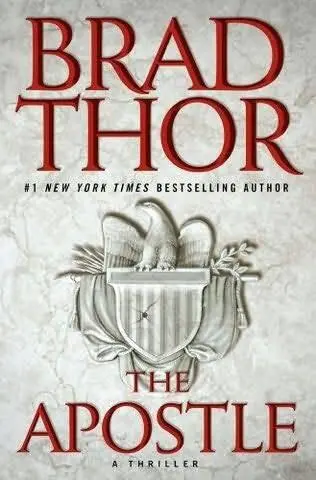
- Название:The Apostle
- Автор:
- Жанр:
- Год:неизвестен
- ISBN:нет данных
- Рейтинг книги:5 / 5. Голосов: 1
-
Избранное:Добавить в избранное
- Отзывы:
-
Ваша оценка:
The Apostle: краткое содержание, описание и аннотация
Предлагаем к чтению аннотацию, описание, краткое содержание или предисловие (зависит от того, что написал сам автор книги «The Apostle»). Если вы не нашли необходимую информацию о книге — напишите в комментариях, мы постараемся отыскать её.
The Apostle — читать онлайн бесплатно полную книгу (весь текст) целиком
Ниже представлен текст книги, разбитый по страницам. Система сохранения места последней прочитанной страницы, позволяет с удобством читать онлайн бесплатно книгу «The Apostle», без необходимости каждый раз заново искать на чём Вы остановились. Поставьте закладку, и сможете в любой момент перейти на страницу, на которой закончили чтение.
Интервал:
Закладка:
After extensive deliberation, the chief elder, a man named Fayaz, spoke and Daoud translated. “They say it is a private matter.”
“Private?” repeated Harvath. “Please inform the shura that with their village surrounded, they no longer have privacy. In fact, if they don’t turn over the woman immediately, I’m going to call in an airstrike.”
The interpreter delivered Harvath’s ultimatum and then asked a question on behalf of the elders. “The shura wants to know if this means there isn’t going to be a clean water project for their village.”
Are these people trying to horse trade with us? Harvath wondered to himself. It didn’t make any sense. Not only had he just threatened them with an airstrike, but their village was surrounded. Soldiers were poised to come kick in every door, flip over every bed, and turn every one of their buildings inside out. What could they possibly have to bargain with?
“Tell them,” said Harvath, “that I didn’t come here to negotiate. I want the woman, now.”
Harvath waited for the interpreter to respond. When he did, his face reflected considerable shock. “The woman is not here,” he said.
So these fuckers did know where Gallo was. It was all Harvath could do not to string the village elder up by his ankles and beat the shit out of him. “Where is she?” he demanded.
“First,” Daoud translated, “we must reach terms.”
Harvath was stunned by the audacity of these people. No matter how weak their hand, the Afghans never missed an opportunity to haggle. Harvath removed his radio so they could see he was serious about calling in a strike. “I’m giving you sixty more seconds and then I’m going to have your village turned into one big grease spot.”
As the interpreter relayed the message to the shura, the elders began yelling “Na! Na!” No, No, together in Pashtu.
Daoud looked at Harvath and said, “They say they are not the ones who kidnapped the American woman.”
“Tell them I don’t believe them.”
The interpreter relayed the statement and the shura broke into a barrage of heated crosstalk. After a moment, Fayaz, the chief elder, spoke and Daoud translated. “The shura says that their village is the victim here. The bodies of the men you see outside, they were killed by the man who took the American woman.”
Harvath still didn’t believe them. “Why are so many of your men armed right now? Obviously, you have been expecting trouble. Why shouldn’t I believe it was because this village was involved with Doctor Gallo’s kidnapping?”
When Daoud passed on Harvath’s remarks, the elders erupted in another chorus of “Na! Na!” and the chief of the shura locked eyes with Harvath and began speaking as the interpreter translated. “We did not kidnap the American woman.”
“Then who did?” demanded Harvath.
“Mullah Massoud Akhund. A local Taliban commander.”
“And Massoud killed the men outside?”
“Na, na,” said Fayaz. No.
“His Russian did,” explained the interpreter.
“What Russian?” asked Harvath.
Daoud listened to the shura and then said, “Massoud’s men call the Russian Bakht Rawan.”
“How do you know it was this Russian who killed the men?”
“He was seen by the son of one of the men.”
“And where is he now?”
The interpreter conveyed Harvath’s question to the shura, and the chief elder yelled toward the door. It opened and one of the armed villagers stuck his head inside.
Harvath didn’t understand the entirety of the order Fayaz delivered, but he caught part of it and that was all he needed to hear. The elder had told the villager to fetch the young man they had been looking for, Asadoulah Badar.
CHAPTER 39
Because of his broken jaw, the young man was difficult to understand, and several times during their interrogation, the shura rebuked him for speaking too softly and ordered him to speak up.
The elders had already heard the story once, but they wanted the boy to tell it again for the benefit of the three men, the only things standing between their village and what they knew would be a crippling airstrike.
Asadoulah Badar, though distraught over the murder of his father, recounted the circumstances surrounding his death. He explained how one of their sheep had gone missing. Asadoulah and his father, along with his two cousins, Raham and Yama, who also tended the large family flock, had gone looking for the animal. They split in different directions, with Asadoulah taking one of the higher mountain trails on the opposite face. It was from that vantage point that he had seen the Russian dump his father’s body so that it landed near the family’s crippled sheep below.
As the Russian retreated up his side of the mountain, Asadoulah caught a glimpse of his cousins. They were still looking for the lost sheep, and he doubted they had any idea what was about to happen to them. Asadoulah tried to warn them, but they didn’t hear. When he found their bodies, they were both dead, but unlike his father, who’d had his neck and arm broken by the Russian, his cousins had both been felled with single shots to the head.
Asadoulah finished his tale by explaining where he had seen the American woman. And though it shamed him to admit to his lies, he told the entire truth. He then explained how, based upon his lie, his father had met with the shura of Massoud’s village and had chastised them for housing the American woman and had demanded redress for what had happened to his son. When he returned, he explained that he had called Massoud reckless and said that he posed a great danger to their villages.
In the face of such a despicable act of murder, the shura explained that the men of their village lusted for badal-revenge-and the badal for killing was to kill. This was an affair they were not confident could be mediated with the shura of Massoud’s village. Their men wanted blood, plain and simple. Vengeance was the cornerstone of Pashtun character. Had the soldiers outside not arrived when they did, the men would have had it. Fayaz shared his doubts about whether the bloodletting would have ended with the Russian and Mullah Massoud.
“I’m sure the men of your village are very capable warriors,” said Harvath, “but Massoud is a Taliban commander, which means he has soldiers of his own, probably many more than you do. How did the men of your village expect to win?”
As the question was translated, the old man shook his head. “They were waiting for nightfall,” said Daoud, translating the chief elder’s remarks. “They had hoped to take Massoud and his men by surprise.”
“Do you think they knew you were coming?” asked Harvath.
“The Taliban have their spies everywhere,” replied Fayaz, “should Massoud be any different?”
Probably not, thought Harvath, who then asked, “Is there any reason, any reason at all that the Americans would take an interest in your village?”
Once the question had been translated, the chief elder put it to each of his colleagues on the shura in turn. Daoud translated as each elder replied. None of them could think of a single reason. Harvath could, though.
Massoud was Taliban and Chris West said that he and his men had been mobilized based upon a tip from a Taliban informant. The Russian had apparently intended for the death of Asadoulah’s father to look like an accident. If that hadn’t been the intent, he would have simply shot the man the same way he did Asadoulah’s two cousins. Massoud now had a big problem on his hands.
It wouldn’t take long for the family to find the bodies and to suspect that Massoud was behind the murders. Little did the Taliban commander know that there was actually a witness. Faced with the prospect that his neighboring village was going to be out for blood and would want to do as much damage to him as possible, he had to have envisioned that they might tip the authorities to the identity of their captive. That meant Massoud would have to deal with foes on two different fronts. What should he do? The answer seemed very apparent to Harvath and he was willing to bet he knew exactly why there was a cordon around the village and the Americans were on their way in. Massoud had set the two against each other.
Читать дальшеИнтервал:
Закладка:
Похожие книги на «The Apostle»
Представляем Вашему вниманию похожие книги на «The Apostle» списком для выбора. Мы отобрали схожую по названию и смыслу литературу в надежде предоставить читателям больше вариантов отыскать новые, интересные, ещё непрочитанные произведения.




Обсуждение, отзывы о книге «The Apostle» и просто собственные мнения читателей. Оставьте ваши комментарии, напишите, что Вы думаете о произведении, его смысле или главных героях. Укажите что конкретно понравилось, а что нет, и почему Вы так считаете.