Gordon Reece - Mice
Здесь есть возможность читать онлайн «Gordon Reece - Mice» весь текст электронной книги совершенно бесплатно (целиком полную версию без сокращений). В некоторых случаях можно слушать аудио, скачать через торрент в формате fb2 и присутствует краткое содержание. Год выпуска: 2009, ISBN: 2009, Жанр: Триллер, на английском языке. Описание произведения, (предисловие) а так же отзывы посетителей доступны на портале библиотеки ЛибКат.
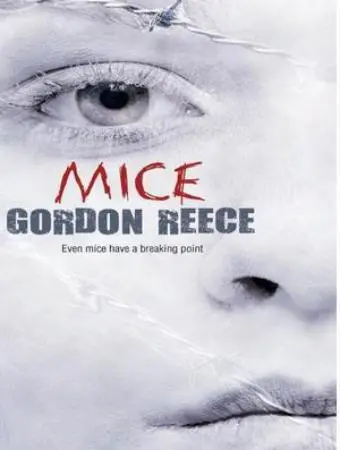
- Название:Mice
- Автор:
- Жанр:
- Год:2009
- ISBN:978-1-10151771-0
- Рейтинг книги:3 / 5. Голосов: 1
-
Избранное:Добавить в избранное
- Отзывы:
-
Ваша оценка:
Mice: краткое содержание, описание и аннотация
Предлагаем к чтению аннотацию, описание, краткое содержание или предисловие (зависит от того, что написал сам автор книги «Mice»). Если вы не нашли необходимую информацию о книге — напишите в комментариях, мы постараемся отыскать её.
Debut novelist Gordon Reece has written a taut tale of gripping suspense, packed with action both comic and terrifying. Shelley is a spellbinding narrator, and her delectable mix of wit, irony, and innocence transforms the major current issue of bullying into an edge- of-your-seat story of fear, violence, family loyalty, and the outer reaches of right and wrong.
Mice — читать онлайн бесплатно полную книгу (весь текст) целиком
Ниже представлен текст книги, разбитый по страницам. Система сохранения места последней прочитанной страницы, позволяет с удобством читать онлайн бесплатно книгу «Mice», без необходимости каждый раз заново искать на чём Вы остановились. Поставьте закладку, и сможете в любой момент перейти на страницу, на которой закончили чтение.
Интервал:
Закладка:
I would look at Mum sometimes as she stood on tiptoe struggling to free the shuttlecock from the branches of a cherry tree, or pulled a comic face as I sent her croquet ball bouncing away down the garden, and feel overcome with love for her. With her tall, awkward body, her large hands that she never seemed to know what to do with, her dark, frizzy hair no amount of combing could tame, she looked so. . so vulnerable that I’d just have to run over and throw my arms around her and hug her as hard as I could.
I knew money was tight, so when Mum started trying to find out what I wanted for my sixteenth birthday I just gave her a short list of books. When she asked incredulously if that was really all I wanted, I said, yes, that I had everything I could possibly want.
This wasn’t exactly true, of course. There was something I wanted, but it would have been far too selfish to ask for it at that time. Mum was driving around in a car only fit for the scrap yard and going to work in suits more than fifteen years old. I couldn’t remember the last time she’d bought herself anything new. Meanwhile we always ate well, there was always money for new clothes and shoes for me, for a book or a magazine I wanted, a DVD or a trip to the cinema. I saw how she always put my needs before her own, and there was no way I was going to abuse that.
But there was something I wanted. Something I wanted very much — as much, if not more, than I’d wanted a flute when I was a little girl. I wanted a laptop: one of those sleek new laptops I’d seen when I was out shopping with Mum that were so slim, so light you could slip one into a shoulder bag and it’d take up no more room and weigh no more than a file of papers.
We already had a desktop computer in the small front room of Honeysuckle Cottage that Mum used as her office. This computer was nearly ten years old (Dad, of course, had taken the newer computer with him when he’d left), which made it prehistoric. It was already displaying the idiosyncrasies of the aged — it regularly froze up for no good reason, it often wouldn’t shut down properly, and it was slow, slow, slow ! I used it when I needed to go on the Internet, but I never felt very comfortable when I was on it; I knew it was really Mum’s work computer, and I was terrified of accidentally deleting a client’s statement or a complicated schedule of damages that had taken her hours to work out. I preferred to write my essays in longhand rather than struggle with the beast, as we nicknamed it, but I knew how much easier having my own computer would make my homework. I’d be able to move paragraphs around, delete whole sections I didn’t like (rather than scribbling them out like a four-year-old), check my spelling and know exactly how many words I’d written at a glance, which would save a huge amount of time when Roger set a strict word limit.
My thoughts were already starting to move beyond A levels to university. A laptop would be a huge advantage with all the essays I’d be expected to write, and I even saw myself taking notes on it during lectures if I could learn to type fast enough.
But what really excited me was the thought of how a laptop could improve my own creative writing. With a laptop, I might be able to embark on something really long — I might even be able to write my very first novel. .
I said nothing, though. I knew that if Mum had even an inkling that I wanted a laptop, she’d buy it for me — even if it meant she had to go to work with holes in her shoes and ladders in her tights.
11
March ended and April began. Our routine carried on pleasantly — Roger came in the mornings, Mrs Harris in the afternoons. I studied hard and was on course again to do well in the exams that were now only two and a half months away. Mum still did the work of three people and put up with Blakely’s rudeness and his wandering hands with meek resignation.
My birthday grew closer, and I felt a little flutter of excitement at the thought of turning sixteen. I received money from my elderly grandmother in Wales, and some far-flung relatives sent birthday cards that Mum displayed on the sideboard. A really sweet card came from the hospital, signed by the nurses who’d looked after me there. I was stunned to get a letter from the police forwarding a cheery ‘Birthday Greetings!’ from my school, signed with ‘heartfelt best wishes’ by the head teacher. I tore it into pieces and threw it straight in the bin.
Even though I tried not to, I couldn’t help looking out for something from my dad. But nothing came. This splinter of petty cruelty worked its way deep under my skin, and the harder I tried to ignore it the more it irritated me. I still couldn’t really believe that our relationship was over, that I was never likely to see him again. I knew he had our Honeysuckle Cottage address and I began to suspect that Mum had intercepted a present from him — I even scrabbled frenziedly through all the bins one day. But when I thought about it rationally I knew Mum couldn’t be hiding anything from me — the postman didn’t usually come until long after she’d left for work. The truth was that Dad hadn’t called me when I came out of hospital, so why should he get in contact just because I was turning sixteen? It was clear that as payback for taking Mum’s side and choosing to live with her and not him, he’d consigned me to the rubbish bin, that he’d choked off all the affection he used to lavish on me like turning off a tap.
My birthday, April the eleventh, fell on a Tuesday that year. The night before, Mum rang around six to say she’d be home late — she’d been caught by Blakely, who’d asked her to see a client who could only come in after normal hours ( you’re such a soft touch, Elizabeth! ).
I’d finished my homework early and had been drawing at the dining-room table, but instead of going back to it I decided to make myself useful and prepare dinner. I still hated lighting the gas after what had happened to me at school, but if I kept it down low I sometimes managed not to scream when I put the match to the burner. I cooked a spaghetti bolognese, which turned out really well and was just about ready to serve up when Mum put her key in the door.
‘What’s all this?’ She smiled as she came into the kitchen. ‘I thought it was your birthday tomorrow, not mine.’ She kissed me and her nose was cold on my warm cheek.
‘You’re freezing,’ I said, putting my hand up to the cold spot on my face.
‘Yes, it’s turning cold out there. It’s starting to rain.’
I put on La Bohème while Mum got changed, set two places at the kitchen table, and lit some scented candles. I opened a bottle of red wine and poured out two glasses, then recorked the bottle and put it back in the rack in the pantry. I’d learned my lesson after the first time — one glass was quite enough.
Mum came down in her tracksuit bottoms and her comfiest polo neck jumper just as I finished dishing up. We toasted my ‘nearly birthday’ and tucked in. We played our usual game of highs and lows. Mum had won a case against a local bus company that she’d never expected to win; Blakely had shouted at her in front of Brenda and Sally because she’d brought the wrong file to him at the magistrates’ court that morning (Mum said she’d brought the file he’d asked for ). I’d struggled with the equations Mrs Harris had set me that afternoon, only getting three out of ten right; I’d taken down our book on Goya and copied one of his pictures called The Sleep of Reason Produces Monsters , and although I’d made the legs of the man who’d fallen asleep at his desk a little too short, I was really happy with the owls and bats and cats, the monsters , that were creeping menacingly up on him.
Читать дальшеИнтервал:
Закладка:
Похожие книги на «Mice»
Представляем Вашему вниманию похожие книги на «Mice» списком для выбора. Мы отобрали схожую по названию и смыслу литературу в надежде предоставить читателям больше вариантов отыскать новые, интересные, ещё непрочитанные произведения.









Обсуждение, отзывы о книге «Mice» и просто собственные мнения читателей. Оставьте ваши комментарии, напишите, что Вы думаете о произведении, его смысле или главных героях. Укажите что конкретно понравилось, а что нет, и почему Вы так считаете.