Museum Practice
Здесь есть возможность читать онлайн «Museum Practice» — ознакомительный отрывок электронной книги совершенно бесплатно, а после прочтения отрывка купить полную версию. В некоторых случаях можно слушать аудио, скачать через торрент в формате fb2 и присутствует краткое содержание. Жанр: unrecognised, на английском языке. Описание произведения, (предисловие) а так же отзывы посетителей доступны на портале библиотеки ЛибКат.
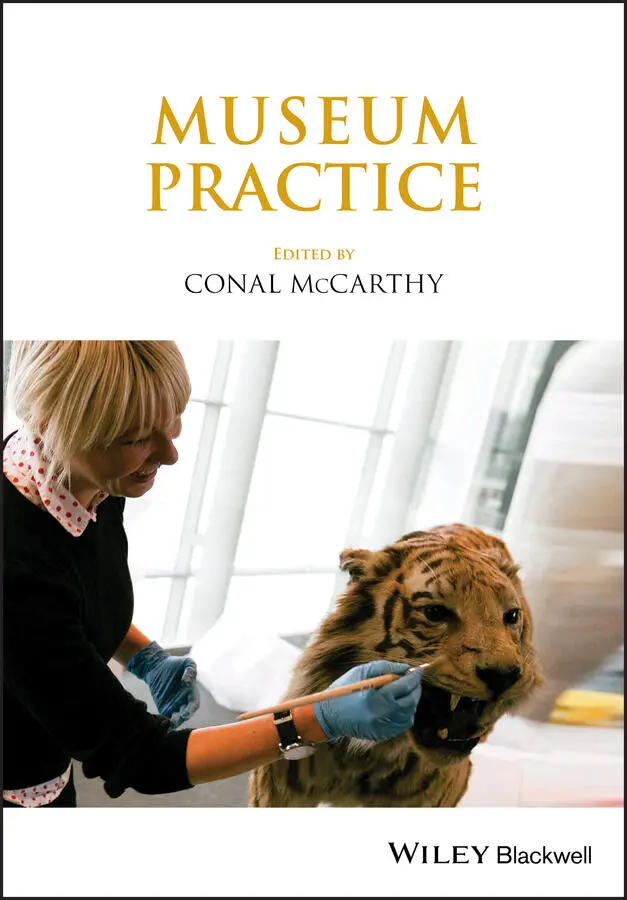
- Название:Museum Practice
- Автор:
- Жанр:
- Год:неизвестен
- ISBN:нет данных
- Рейтинг книги:5 / 5. Голосов: 1
-
Избранное:Добавить в избранное
- Отзывы:
-
Ваша оценка:
Museum Practice: краткое содержание, описание и аннотация
Предлагаем к чтению аннотацию, описание, краткое содержание или предисловие (зависит от того, что написал сам автор книги «Museum Practice»). Если вы не нашли необходимую информацию о книге — напишите в комментариях, мы постараемся отыскать её.
Museum Practice — читать онлайн ознакомительный отрывок
Ниже представлен текст книги, разбитый по страницам. Система сохранения места последней прочитанной страницы, позволяет с удобством читать онлайн бесплатно книгу «Museum Practice», без необходимости каждый раз заново искать на чём Вы остановились. Поставьте закладку, и сможете в любой момент перейти на страницу, на которой закончили чтение.
Интервал:
Закладка:
We are committed to facing up to this social responsibility, and our determination to provide free access to all of our exhibitions, events and activities, allied with the highest quality standards and enormous variety, is at the core of this commitment.
In doing all this we will:
widen participation in our activities, thereby fulfilling our social objectives, especially by attracting diverse audiences
ensure that we offer educational opportunities to people of all ages and backgrounds
as the major cultural business in the region which is also a prime tourist asset, achieve economic benefits through developing cultural tourism, and by helping build a strong image for Liverpool and the city region
pursue research programmes that lead to greater knowledge about our collections, and promote the exceptional quality of our collections
improve our visitors’ experience by upgrading our buildings, displays, and facilities, offering quality and variety
strive to create an organisational culture that motivates our team and enables us to work effectively and in harmony, acknowledging that it is only through the commitment of staff that we achieve success
seek actively to increase the diversity of our workforce
be alert to social, economic and technological change to ensure we remain focussed and relevant
work in partnership with other agencies – education, arts, business, public bodies
behave in an ethical manner at all times, promoting sustainable practices
manage risk in a positive and effective manner
use our resources wisely and augment them wherever we are able, providing real value for money.
In pursuing a strategy of combining significant audience growth and diversity with the highest levels of professionalism, we acknowledge that this has radically changed the culture of NML, and has created a challenging working environment. This environment is characterised by regular review of the way we do things, by the pursuit of new ideas and methods, and by the constant re-examination of traditional museum practices.
Recent successes in terms of massive audience growth, combined with rising standards of collections care, demonstrate the validity of this approach, and we are determined to continue to pursue this strategy.
Despite current and future funding uncertainties, notably in terms of government finances, it is in our capacity to manage ourselves bravely and imaginatively, and to move forward on many fronts at the same time, that our future value and success lies.
Extract from National Museums Liverpool Strategic Plan 2010–11, issued 23 July 2010.
APPENDIX B
Version of NML Vision and Beliefs Approved by Trustees
Vision and Beliefs
NML is one of the world’s great museum services. We are active locally, regionally, nationally and internationally, reflecting our unique status as a national institution based in a major regional city
Vision:We will be progressive and outward looking, exciting and inspiring people in ways that are inclusive and challenging
We believe that:
NML has a responsibility to the whole of society. Everyone, regardless of age, identity, ability or background, has a right to expect that we will be enjoyable and welcoming, providing routes to discovery, awareness and learning for all
NML is committed to study, care for and enhance our world-class collections, making them accessible to all.
NML is a creative, energetic and dynamic organisationwhich must be managed imaginatively and effectively. We are prepared to identify and embrace opportunities, to experiment, take risks and use innovative approaches to achieve our aims.
NML must always be modern, radical and responsive. We will build on our strengths, but we thrive on change. We believe in continuous assessment, transparency and openness, listening and reacting to our users, and in improvement of all that we do
Teamwork and co-operation is valued and inherent in all that NML does. We will create a working environment where respect for different roles and talents is paramount, and all staff feel motivated, promoting quality, trust and integrity
NML grows stronger through partnerships, community, cultural, educational and business. We will build such relationships wherever it helps us achieve our aims, while helping others achieve theirs.
Author’s own collection
Notes
1 1 Now TWAM, having added responsibility for Tyne and Wear Archives.
2 2The principal architects of the extraordinary changes at TWM during the 1990s were John Millard, Neil Sinclair, John Wilks, Sharon Granville, Alex Saint, and Alec Coles, though many others made important contributions. I should like to acknowledge all TWM staff of that period for their remarkable contribution to helping change the nature of British museums.
3 3I gave a paper with the title of “The Museum as an Agent of Social Change” at the Annual Conference of the Museums Association in Liverpool in September 1993, to an audience of fewer than 10 people.
4 4Letter, Joe Ging to the author, March 3, 1993.
5 5I should like to record my thanks to the Chairs of Tyne and Wear Museums during my directorship, especially Newcastle councillors Barney Rice and Don Price, to the Vice-Chairs throughout this period, Sunderland councillor Ralph Baxter, and to David Cobb of Newcastle City Council, the Clerk to the Joint Museums Committee. Our achievements at Tyne and Wear Museums would have been much thinner without the unflagging support of these people.
6 6See the series of 10 Tyne and Wear Museums Annual Reports that cover this period for details of changes in staff structures, exhibition programs, new permanent displays, visitor numbers etc. (Tyne and Wear Museums Annual Reports. 1991/2–2000/1). See also “Visitor Services Case Study” (1998) and “Education Case Study” (1999).
7 7Museums Association (1995). In a letter, a prominent Newcastle Labour councillor referred to herself as “Past President: Philistines for Labour” after having discovered that, contrary to her expectations, museums were not merely a place for elitist activities. Letter, Councillor Gina Tiller to the author, April 1, 1994. In another letter, the outgoing Leader of Newcastle City Council wrote that management of TWM had “improved immeasurably” compared with “the rather dreary days” of former times. Letter, Councillor Sir Jeremy Beecham to the author, December 5, 1994. Another endorsement came from the Chief Executive of the Tyne and Wear Development Corporation, who wrote of “the revolution you are engaged in making the Museums service more accessible.” Letter, Alastair G. Balls to the author, October 5, 1994.
8 8See also Watson (2012: 19).
9 9See ICOM (2014) and Museums Association (2014).
10 10Letter, Rt. Hon Alan Howarth CBE, MP, to the author, August 13, 2001.
11 11At that time the word “Liverpool” was still rather synonymous in the UK with urban decay, deprivation, unemployment, and crime. Not all trustees were comfortable with these associations, and although those of us who believed in adopting the new name eventually prevailed, it was not before we had to endure considerable delay in trustees finally agreeing to implement the new name. The decision has been more than justified since then, not least when Liverpool won the accolade of becoming the European Capital of Culture in 2008.
References
Abrahams, Jeffrey. 2007. 101 Mission Statements from Top Companies . Berkeley, CA: Ten Speed. ALVA (Association of Leading Visitor Attractions). 2013. “Latest Visitor Figures.” Accessed September 14, 2014. http://alva.org.uk/details.cfm?p=423.
Читать дальшеИнтервал:
Закладка:
Похожие книги на «Museum Practice»
Представляем Вашему вниманию похожие книги на «Museum Practice» списком для выбора. Мы отобрали схожую по названию и смыслу литературу в надежде предоставить читателям больше вариантов отыскать новые, интересные, ещё непрочитанные произведения.




Обсуждение, отзывы о книге «Museum Practice» и просто собственные мнения читателей. Оставьте ваши комментарии, напишите, что Вы думаете о произведении, его смысле или главных героях. Укажите что конкретно понравилось, а что нет, и почему Вы так считаете.